PRECISION DRY ICE CLEANING
Dry Ice Cleaning for Equipment Recommissioning
Dry ice cleaning for equipment recommissioning after storage, relocation or shutdown. Remove buildup from machinery, frames, guards and tooling.
We provide equipment recommissioning dry ice cleaning after storage, relocation or a long shutdown. Remove buildup from machinery frames, guards, housings and tooling before maintenance inspection and return-to-service work.
Deposits removed from stored or relocated equipment
We remove settled dust, oily films, old grease and retained production residue from accessible frames, guards, housings and tooling. Cleaning exposes the underlying surface for maintenance inspection before recommissioning.
Operational benefits
- Expose inspection points concealed by dirt and grease.
- Clean at the equipment’s installation or storage location before servicing.
- Avoid adding rinse water or spent grit to the recommissioning work area.
Non-toxic dry ice and eco-friendly cleaning benefits
Dry ice is a non-toxic cleaning medium. Dry ice blasting cleans with solid CO₂ and compressed air without detergents, solvents, wash water or added abrasive grit. Its environmental benefits include no chemical rinse water and no spent blasting media from the blasting step.
The dry ice turns into gas. Removed deposits still require collection, and ventilation and protective equipment remain part of the cleaning setup.
Plan equipment recommissioning cleaning by equipment and surface
List frames, guards, tooling, housings, and accessible mechanical surfaces. Separate rust, damaged coatings, electrical interiors, bearings, and sealed assemblies for specialist review. For vessel machinery, coordinate external cleaning and the next inspection with the marine machinery inspection preparation guide.
Photograph the stored or idle equipment from all sides and mark frames, guards, tooling and accessible housings. Record visible dust, oily film, rust, damaged coatings and missing covers separately so cleaning is not confused with repair.
Residue and test area
Document dust, oily film, storage residue, or process buildup with dated photos. A test can show what can be removed while retaining the underlying finish.
Choose a representative residue on a retained finish and document the result required for inspection. Bonded corrosion, deteriorated coatings and sealed assemblies may need another specialist method or maintenance action before restart.
Schedule equipment recommissioning cleaning and inspection
Place cleaning after site access and isolation, but before the owner’s inspection and restart checks. Define responsibility for disassembly, repairs, lubrication, and functional testing.
Use the shutdown cleaning window planner to place access and isolation before cleaning, then residue collection, owner inspection, lubrication, testing and restart under separate owners. Cleaning should be complete before the facility’s return-to-service checks.
Site controls and limits
Cleaning does not certify readiness, remove structural corrosion, or replace manufacturer recommissioning procedures. Collect displaced debris and review ventilation before work.
Exclude electrical interiors, bearings, sealed assemblies and damaged finishes unless the asset owner approves a specific procedure. Plan collection and ventilation for removed deposits. See the safety and facility requirements and applications and limitations for facility controls.
Related cleaning services
Compare asset presentation cleaning and scheduled equipment maintenance. Each has a different equipment scope. For recurring work, see scheduled maintenance cleaning.
Frequently asked questions
Does cleaning certify equipment ready to restart?
No. Dry ice cleaning can prepare accessible surfaces for owner inspection. The facility or equipment specialist remains responsible for repairs, lubrication, functional testing and recommissioning approval.
Who handles rust and failed coatings?
Record them separately from removable storage residue. The owner should choose the specified corrosion or coating repair process and keep those tasks out of the cleaning quote unless expressly included.
Get a cleaning quote
Send an equipment list, dated photos, the storage or shutdown history and the inspection window. Request dry ice cleaning service for the accessible cleaning areas, with repair and recommissioning responsibilities shown separately.
Plan the cleaning scope
Read Equipment Recommissioning Checklist: Where Cleaning Fits for a practical planning checklist. Use it to prepare photos, access details, protected components, and the inspection handback before requesting a quote.
For equipment recommissioning cleaning, document the accepted test result before extending the work to another surface. OSHA’s carbon dioxide information helps frame the ventilation review. The facility should apply its own work-area controls and collect removed residue.
Document the equipment recommissioning cleaning test area
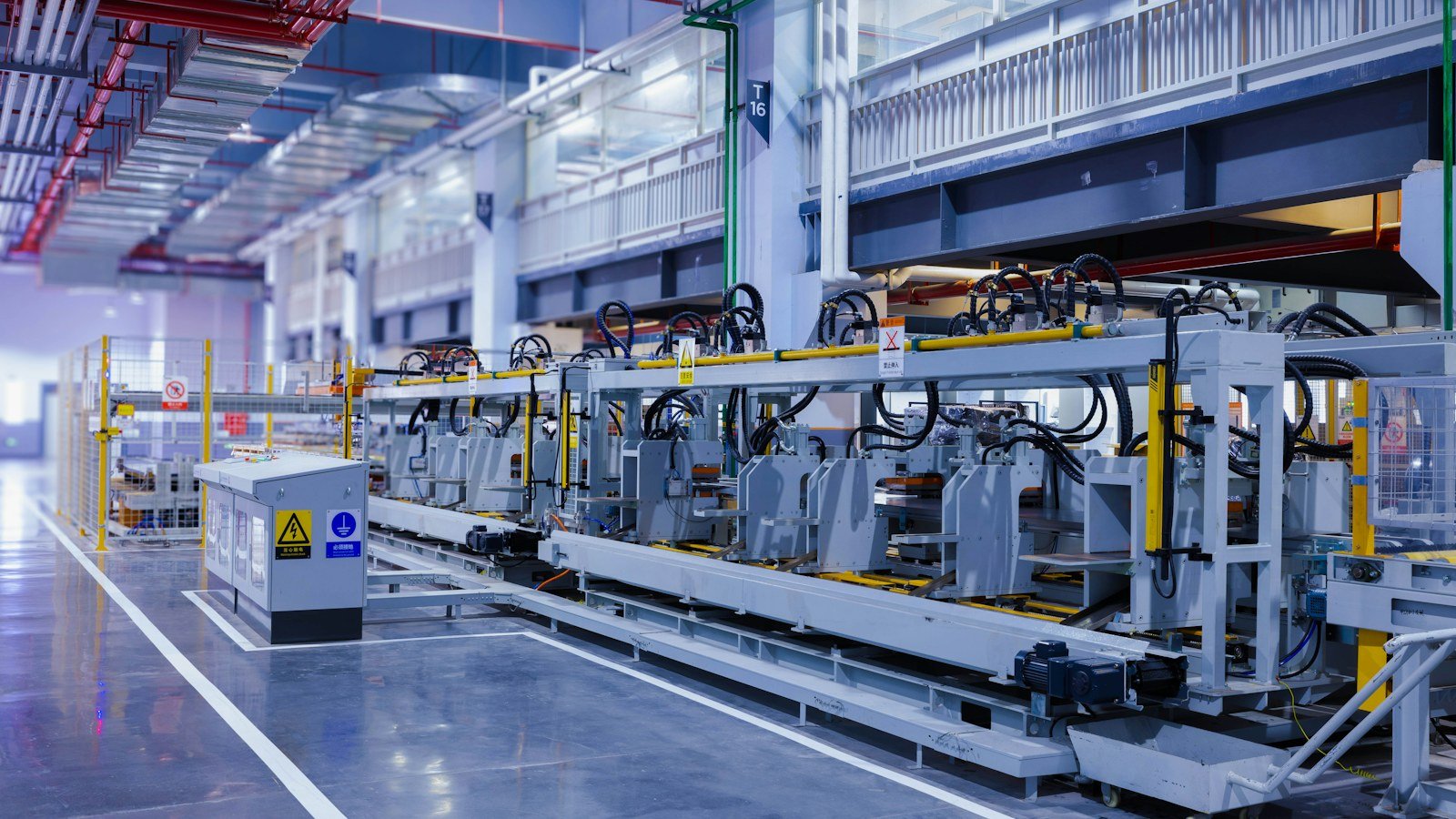
The equipment image is a general reference. Recommissioning acceptance rests with the owner and the equipment manufacturer’s procedure.
LET’S LOOK AT YOUR PROJECT
Need dry ice
cleaning?
Call for dry ice cleaning services in NJ, NY, PA, or DE. Tell us what needs cleaning and when you need the work done.
NY · NJ · PA · DE / Businesses and private owners