CLEANING APPLICATION
Asphalt Machinery Cleaning With Dry Ice Blasting
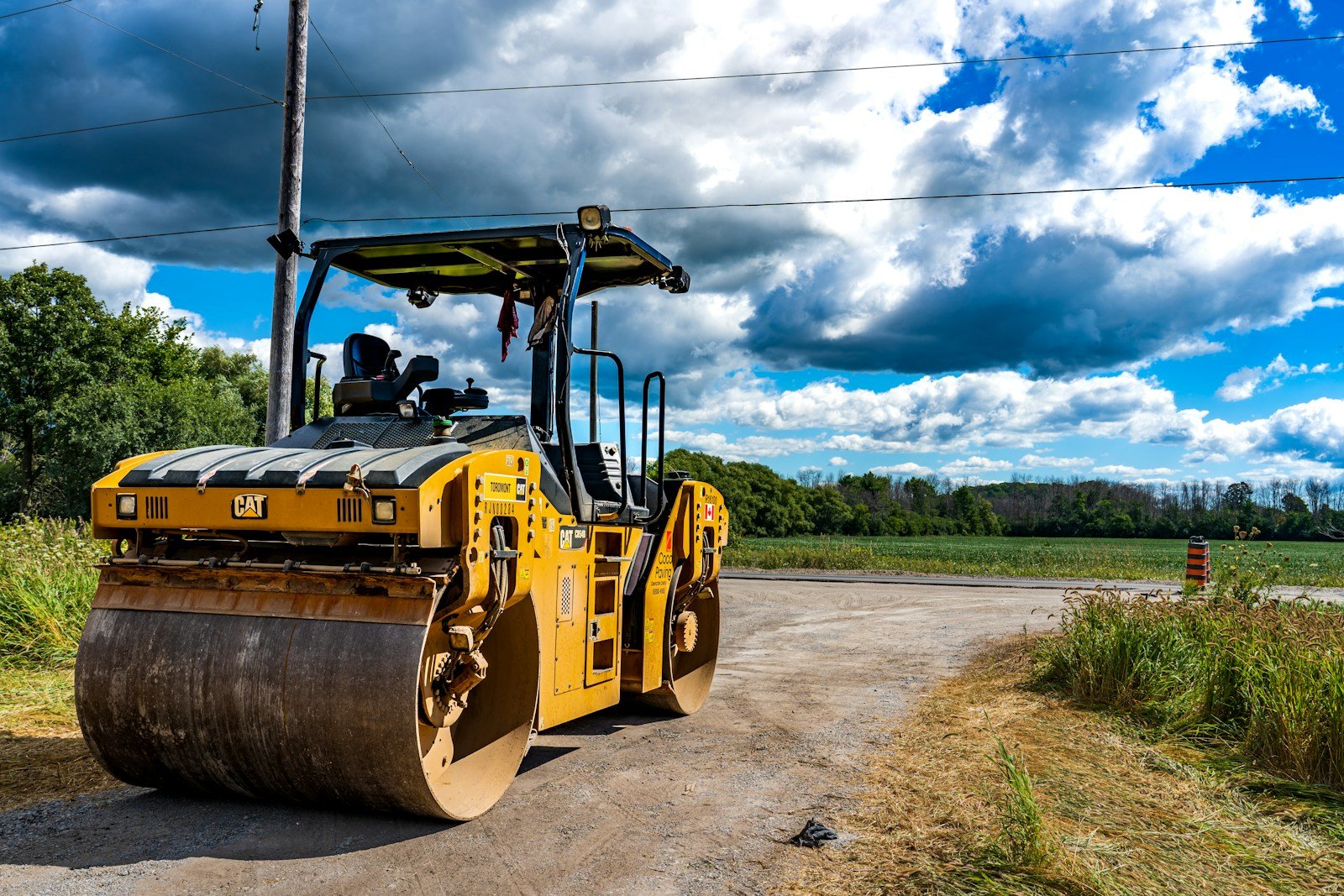
Asphalt machinery dry ice cleaning for paving equipment, tack trucks and plant machinery in NJ, NY, PA and DE.
Precision Dry Ice Cleaning provides asphalt machinery dry ice cleaning for paving equipment, tack trucks and plant machinery in NJ, NY, PA and DE.
Book cleaning for maintenance areas, a seasonal equipment clean or preparation before sale. Send the deposits, cleaning areas, site access and preferred dates for your quote. If your paving vehicles are part of a larger truck program, see truck fleet dry ice cleaning for unit grouping and dispatch planning.
Deposits removed from asphalt and paving machinery
We target asphalt, bitumen and tack deposits on specified paving-equipment surfaces, plus oil and grease on accessible housings and frames. Hardened buildup, retained coatings and spray-system components are identified separately for the agreed removal result.
Operational benefits
- Expose equipment surfaces before seasonal servicing and inspection.
- Clean accessible installed equipment without a wash-water rinse.
- Prepare the specified machinery areas for storage, sale or the next contractor maintenance step.
Non-toxic dry ice and eco-friendly cleaning benefits
Dry ice is a non-toxic cleaning medium. Dry ice blasting cleans with solid CO₂ and compressed air without detergents, solvents, wash water or added abrasive grit. Its environmental benefits include no chemical rinse water and no spent blasting media from the blasting step.
The dry ice turns into gas. Removed deposits still require collection, and ventilation and protective equipment remain part of the cleaning setup.
Asphalt machinery cleaning applications
Cold Jet lists paving machines, material transfer vehicles, tack trucks, rollers, conveyors, and auger assemblies among its asphalt cleaning applications. Its guidance also covers bitumen processing equipment. These are application references, not approval for every component on a machine. See Cold Jet’s asphalt and bitumen cleaning overview.
For your project, identify the exact areas under review. Use a marked photo or equipment drawing to show the cleaning boundary. Ask your maintenance team to flag coatings, sensors, seals, hoses, and other components that need protection or exclusion.
| Equipment | Proposed review areas | Scope questions |
|---|---|---|
| Asphalt pavers and transfer vehicles | Accessible hopper, conveyor, auger, and frame surfaces | Which assemblies can be safely exposed and isolated? |
| Tack and asphalt distributor trucks | Exterior deposits and spray assembly surfaces | What material is present and which components are excluded? |
| Rollers and compactors | Approved exterior surfaces with identified buildup | What finishes and nearby parts need protection? |
| Asphalt plant equipment | Accessible conveying and processing surfaces | What access and maintenance release are available? |
Tank entry, enclosed spaces, and internal process systems require separate scope review. Do not include them in a general exterior cleaning request. For broader fleet work, visit construction and mining equipment cleaning.
Define the asphalt, bitumen, or tar deposit
Include a close photo and a wider view of each area. Record the material used, how long it has accumulated, and any previous removal attempts. Provide available product information when the residue is unknown or mixed with other substances.
Ask the review team to separate loose material, thick deposits, and detailed component cleaning. Do not assume the same approach or cleaning rate applies to every layer. Use our asphalt and bitumen removal guide to prepare those questions.
Test the result before setting a production target
A proposed test should cover a representative deposit and surface. Agree on the area, access, agreed cleaning result, and stop point. Then inspect the test with your equipment representative before defining a larger scope.
Record what remains as well as what comes off. Ask whether the result meets the maintenance objective and whether another method is needed for any area. Use the observed conditions to discuss a quote rather than applying an advertised cleaning time to your fleet.
Request a dry ice test cleaning when the surface response is uncertain. Include the equipment manufacturer’s instructions and any restrictions on the proposed method.
Choose the right work window
For work between paving jobs, identify the priority areas and the latest handback time. Reserve time for your team’s inspection and any required maintenance. Keep optional cleaning separate from the tasks needed for the next job.
For seasonal work, prepare a machine-by-machine list and coordinate cleaning with repairs, servicing, and storage. Our end-of-season asphalt equipment cleaning guide provides a planning sequence. Use scheduled maintenance cleaning for repeat scope discussions.
If the machine is leaving the fleet, include the photography, auction, or return deadline. The asset presentation cleaning service addresses those transaction needs.
Include collection and site access in the quote
Dry ice becomes gas during blasting, but removed asphalt and other deposits remain. Plan collection around the work area and agree on handling responsibilities. Cold Jet’s asphalt truck case study describes an example of the process.
Review equipment isolation, access, compressed air, ventilation, noise, and nearby work before the visit. Ask the site representative to approve the work zone and staging route. Use the facility checklist to collect these details.
Asphalt machinery cleaning questions
Can dry ice remove hardened asphalt?
Cold Jet documents an asphalt truck cleaning application involving hardened buildup. For your machine, request evaluation of the deposit and underlying surface. A test can inform the proposed scope and expected result.
Does the machine need to be taken apart?
Define access with the equipment owner. Some areas may require guards or components to be removed by authorized personnel. Do not treat external access as permission to clean hidden or enclosed assemblies.
Can you quote an entire paving fleet?
Send an asset register with machine types, photos, deposit details, and priorities. Include the yard location and available dates. Review the scope for each machine before agreeing on a fleet schedule.
How much does asphalt equipment cleaning cost?
Request a quote that includes the agreed cleaning areas, setup, access, testing, and residue collection. See project pricing factors and compare cleaning costs using your own estimates.
Get an asphalt machinery cleaning quote
Use the Project Brief Builder to collect your scope. Then request an asphalt equipment cleaning quote with the equipment model, photos, project ZIP code, and preferred maintenance window.
LET’S LOOK AT YOUR PROJECT
Need dry ice
cleaning?
Call for dry ice cleaning services in NJ, NY, PA, or DE. Tell us what needs cleaning and when you need the work done.
NY · NJ · PA · DE / Businesses and private owners