INDUSTRY FOCUS
Municipal dry ice cleaning for fleets and public works
Plan cleaning for municipal fleets, public works equipment, and maintenance facilities. Define the deposits, surfaces, work window, and inspection needs.
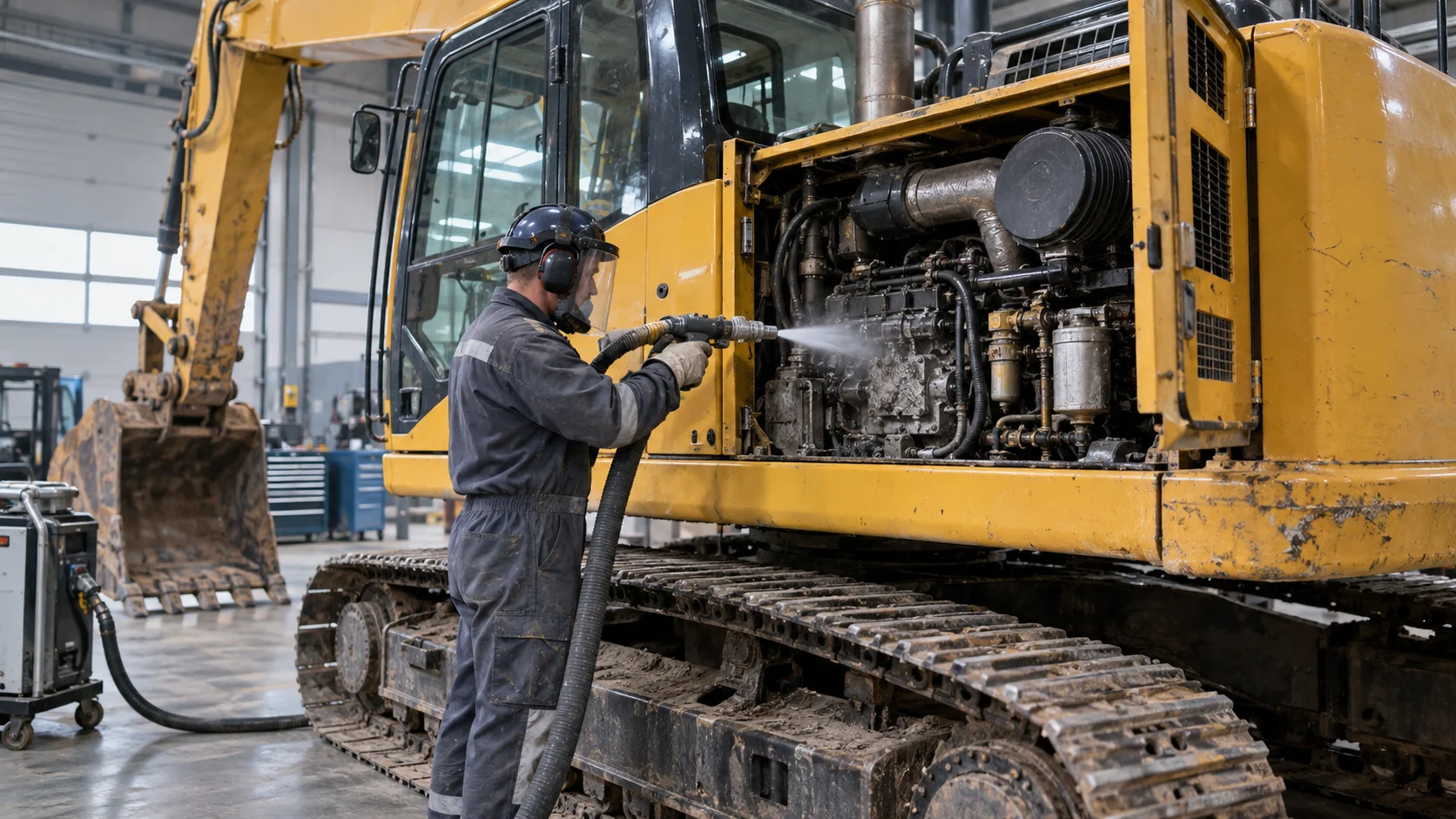
Municipal dry ice cleaning gives public works and fleet teams a way to discuss selected deposits on equipment that needs maintenance, inspection, or preparation for its next assignment. Precision Dry Ice Cleaning serves projects across New Jersey, New York, Pennsylvania, and Delaware. Begin with the asset and the cleaning objective.
Build the request around work your department can release within a defined window. A single vehicle, a group of maintenance assets, or a seasonal equipment batch each needs its own priorities. Identify the surfaces to clean and the finishes or components to protect.
Municipal dry ice cleaning applications to review
| Equipment group | Potential scope to assess | Information needed |
|---|---|---|
| Public works vehicles | Selected engine-bay, chassis, undercarriage, and accessible equipment surfaces. | Vehicle identifiers, deposits, access, retained coatings, and scheduled service dates. |
| Road and grounds equipment | Accessible machinery surfaces on loaders, mowers, attachments, and related assets. | Asset type, deposit condition, sensitive components, and preparation responsibilities. |
| Paving equipment | Selected asphalt or bitumen deposits on approved equipment surfaces. | Material, buildup thickness, temperature limits, and a representative test area. |
| Facility support equipment | Selected external housings, frames, and accessible mechanical equipment surfaces. | Manufacturer instructions, isolation plan, surface condition, and acceptance criteria. |
Review heavy-equipment cleaning, engine-bay cleaning, and undercarriage cleaning for the asset-specific details. For paving machinery, see asphalt machinery cleaning. Each application remains subject to surface and deposit review.
Clean toward an inspection or maintenance objective
State what your technician needs to see or access after cleaning. A request to expose a selected inspection area differs from a whole-vehicle presentation project. Mark the inspection points and explain which deposits obstruct the next task.
For example, request review of greasy buildup around accessible fittings or external machinery surfaces. Identify any active leak or mechanical defect for the maintenance team. Cleaning does not repair the source of a leak or establish that the asset is fit for service.
If the department plans to sell or auction an asset, use asset presentation cleaning to define the appearance objective. Keep that scope separate from a mechanical inspection or a structural condition assessment.
Protect the surfaces the department needs to retain
Before work starts, identify paint, protective undercoating, labels, identification plates, exposed wiring, seals, and previous repairs. Provide the manufacturer’s cleaning restrictions where available. Mark any surface that must remain outside the scope.
Do not specify complete rust removal, coating removal, or a prepared coating profile without a separate method review. Use the application limits to guide that discussion. A representative cleaning test can establish what the chosen approach achieves on the actual asset.
Approve the test area against agreed observations. Record the remaining deposit and condition of the retained finish. Apply that finding only to comparable surfaces and conditions.
Schedule the work around fleet availability
Create a batch list with asset identifiers, priority, and the next required service time. Confirm which vehicles can remain unavailable if the first test changes the estimate. Keep optional work separate so it does not consume the time reserved for required assets.
- Name the person who releases each asset for cleaning.
- Assign parking, lifting, panel removal, and equipment isolation where needed.
- Confirm the delivery route, staging space, air-supply arrangements, and working hours.
- Reserve time for collection, inspection, reassembly, and the department’s return-to-service checks.
- Record who can approve a revised sequence or scope during the visit.
The municipal fleet cleaning planning guide provides a proposed sequence. Use the Cleaning Window Planner to organize your own time estimates, then review them with the contractor and fleet team.
Plan the work area and residue handling
Dry ice sublimates during use, while released contamination remains to be collected. Cold Jet describes this distinction in its facility-maintenance guidance. Identify the deposit and agree on collection, containment, and disposal responsibilities in the quotation.
Review noise, ventilation, CO2 monitoring, pedestrian access, and nearby occupied areas before choosing a work location. Also identify drains, open equipment, and adjacent activities that could affect the setup. An outdoor location still needs a project-specific work-area review.
Use the Facility Checklist to collect these details. If the asset carries unknown material or a regulated coating, provide the available information before requesting a cleaning method or schedule.
Give purchasing a clear scope
Precision Dry Ice Cleaning operates as the registered alternate name of Tri-State Laser Cleaning LLC. Our government contracting page lists the legal entity, UEI, CAGE/NCAGE, primary NAICS, and New Jersey SBE status supplied by the owner. Request additional vendor documentation for your purchasing process.
Include the purchase reference, quote deadline, required documents, and acceptance contact. Ask for pricing against the same asset list and responsibilities. The government equipment scope guide explains how to make those assumptions visible to all parties.
Municipal cleaning questions
Can the work focus on one vehicle or selected areas?
Submit the vehicle and the specific areas you want reviewed. Identify the deposit, retained finish, access, and required result so the proposed scope can be assessed.
Can multiple department assets be grouped into one visit?
Provide a prioritized asset list and the release times for each item. Grouping work requires a review of access, setup, deposit condition, and the available cleaning window.
Can dry ice cleaning remove road salt or heavy corrosion?
Describe the contaminant and the required final condition before selecting a method. A dry ice cleaning scope should not be assumed to meet soluble-salt removal, heavy-corrosion removal, or coating-preparation requirements.
Who returns the equipment to service?
Assign mechanical checks, reassembly, and return-to-service approval to the department’s responsible personnel. The cleaning acceptance record should identify where the contractor’s scope ends.
Request a municipal equipment review
Send the department name, equipment list, city and ZIP code, deposit details, and preferred timing. Request a Municipal Project Review or start with the Project Brief Builder.
PROCUREMENT REFERENCE
Keep the company details with your project file.
Download a one-page capability statement with service areas, application categories, company credentials, and vendor identifiers.
Download capability statement PDFLET’S LOOK AT YOUR PROJECT
Ready for a
cleaner starting point?
Call to discuss your equipment, cleaning goals, and preferred dates. Have a shutdown planned? Start the scope review before your maintenance window is finalized.
NY · NJ · PA · DE / Businesses and private owners