PRECISION DRY ICE CLEANING
Efflorescence on brick and stone
Identify white salt deposits and investigate moisture before planning any surface cleaning. Dry ice does not address the source.
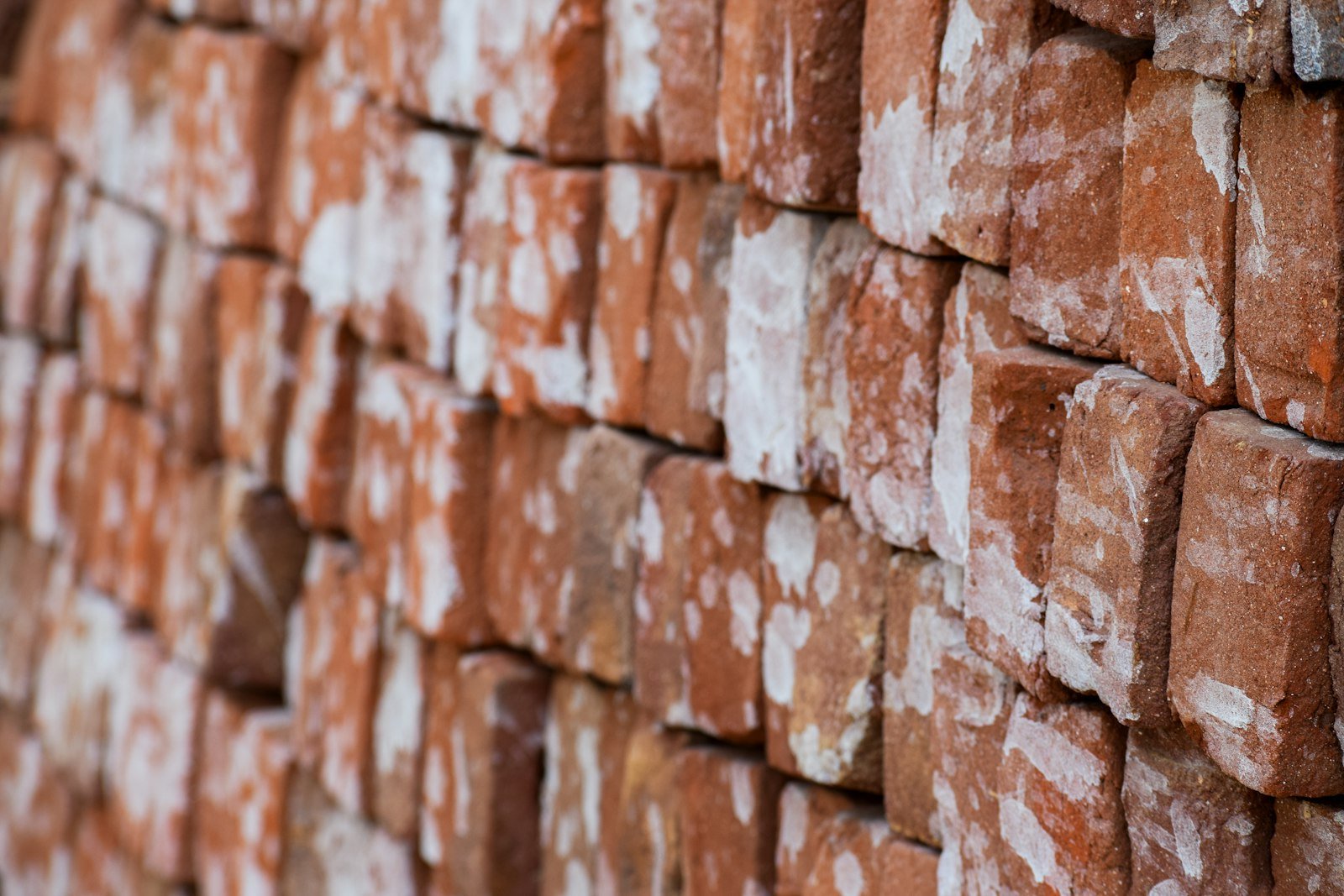
Efflorescence on brick and stone often looks like a white, powdery deposit. Its appearance alone does not prove the cause. It forms when soluble salts travel with moisture and crystallize at the surface. Identify the deposit and trace its moisture or salt source before choosing a cleaning method.
How to identify efflorescence on brick
It often appears as a white, powdery, or crystalline haze on masonry. Similar-looking marks can have other causes, including runoff from paint, mortar residue, or another surface deposit. The National Park Service advises identifying the source and, when useful, the salts involved. A photograph can help document the pattern, but a building professional may need to examine the wall.
Why efflorescence on brick and stone can return
Moisture can carry soluble salts through brick, stone, mortar, or adjacent materials. The salts remain when water evaporates at the face. Possible sources include rain entry through deteriorated joints, rising damp, runoff, previous cleaning, and de-icing salts. Record when the marks appear and whether they follow a leak, rain event, freeze, or recent repair.
Efflorescence on brick can return after cleaning if water continues to enter the masonry. The National Park Service advises finding and addressing the water entry point when deposits keep returning. A maintenance plan should put the source investigation before any promise of a lasting cosmetic result.
Surface salts versus damage inside masonry
White material at the face is not the whole assessment. Salt can also crystallize within pores, a condition known as subflorescence. That can place stress on masonry. If a wall is flaking, spalling, powdering, or bulging, ask a qualified building professional to evaluate the material before cleaning. Do not treat a fragile surface as a routine stain-removal job.
Does dry ice cleaning solve efflorescence?
Dry ice cleaning does not repair water entry or remove the underlying source of salts. A dry process cannot prove that a salt deposit will lift cleanly. It also cannot establish that the masonry will tolerate blasting. Even when a surface deposit can be reduced, the condition may return if moisture and soluble salts remain.
A building professional may recommend a different method for surface salts after assessing the stone, joints, and deposit. On historic masonry, the owner should follow the preservation specification and test the selected method. The aim is an acceptable surface without avoidable loss of material.
What to document before requesting a cleaning quote
- Photograph the full wall, the white deposit, joints, roof or flashing details, and any damaged material.
- Note when the deposit appeared, whether it recurs, and any recent leaks, repairs, coatings, cleaning, or use of de-icing salt.
- Identify the material and any preservation restrictions. Record who will investigate moisture and approve a trial area.
- Define the desired result and how it will be judged after a test, including any remaining staining or surface change.
For dark deposits, use the dirt, pollution, and black crust guide. For an exterior cleaning project in NJ, NY, PA, or DE, see building facade dry ice cleaning. Once the source and surface condition are understood, request a cleaning quote with photos and the project requirements.
LET’S LOOK AT YOUR PROJECT
Need dry ice
cleaning?
Call for dry ice cleaning services in NJ, NY, PA, or DE. Tell us what needs cleaning and when you need the work done.
NY · NJ · PA · DE / Businesses and private owners