Building a Soot Cleaning Scope for a Restoration Project
Published · Updated
Define a soot cleaning scope with the restoration contractor, including access, trial areas, containment, and inspection.
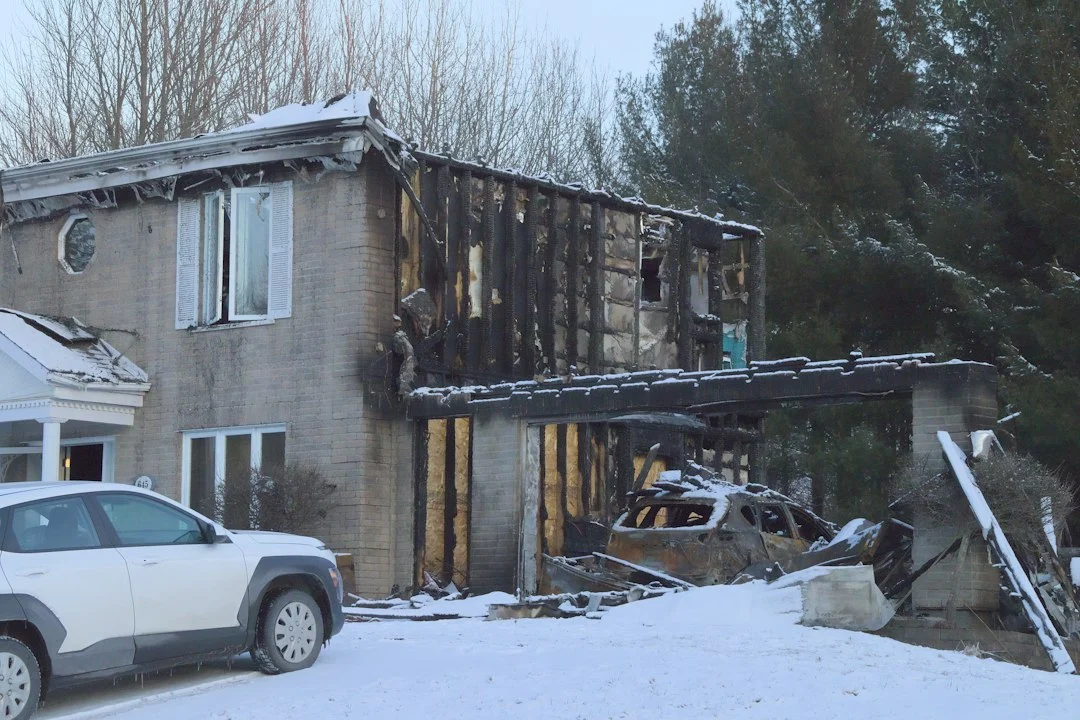
A soot cleaning scope should fit into the restoration contractor’s wider project plan. Identify the selected surfaces, the deposit being evaluated, and the condition the next trade needs.
Start after the responsible restoration team has defined access and the work area. Then use this outline to prepare a fire and soot dry ice cleaning inquiry.
Define the soot cleaning scope by surface and location
Divide the project into rooms, elevations, assemblies, or other recognizable areas. Mark the proposed work on photographs or drawings so everyone can identify the same boundary.
Describe the surface beneath the deposit. Include wood, masonry, metal, or another material only where it is actually present. Record coatings, finishes, and features that the project requires you to preserve.
Separate accessible surface cleaning from material removal and reconstruction. A broad restoration project may include all three, but the dry ice cleaning scope should state which selected task it is being asked to perform.
Build your soot cleaning project brief with the selected surfaces, preservation requirements, exclusions, and timing for the restoration team’s review.
Obtain the restoration team’s work-area requirements
The contractor responsible for the project should define the approved access, preparation, and control measures. Provide relevant survey information and any restrictions on disturbing the selected material.
Do not treat a photograph of soot as a complete characterization of the work area. Identify what information is known and what must be resolved before a trial can be authorized.
Keep clearance and release decisions with the responsible project personnel. A surface cleaning service should not imply that it certifies the condition of a building or replaces the project’s required assessments.
Select a trial that represents the proposed work
Choose an area with the actual deposit, underlying surface, and access conditions. Include any finish that must remain.
Before the test, agree on the target appearance or other acceptance criteria established by the restoration team. Record the starting condition and the stopping point.
Afterward, document remaining material and any surface condition needing review. Use those observations to decide whether and where the method fits the wider scope. A test on one material should not automatically approve every surface in the building.
Cold Jet includes restoration and remediation among its dry ice applications. The project’s own trial and acceptance process determine the selected application.
Keep surface cleaning and odor work distinct
Describe the intended task as removal of selected surface deposits. If the project also includes odor assessment or treatment, assign that work and its acceptance criteria separately.
Do not use a visibly cleaner surface as proof that all restoration objectives have been met. The contractor may have additional inspection, removal, treatment, or reconstruction work to complete.
This distinction keeps the quote clear. It also gives the next trade an accurate statement of what was cleaned and what remains outside the task.
Include released material in the plan
The dry ice changes to gas, but the deposit removed from the surface remains part of the work. Define collection, surrounding-area protection, and cleanup responsibilities.
Coordinate those requirements with the restoration team’s work-area controls. Identify who supplies the relevant arrangements and who inspects the area after the selected cleaning step.
Our cleanup guide explains why the absence of spent blasting grit does not mean there is no removed material to manage.
Schedule the next trade and inspection
Identify when the area can be released for cleaning and when inspection must occur. Include access setup, preparation, cleanup, and any required review in the work window.
Record completed areas against the original drawing or photographs. List exclusions and unresolved conditions clearly so the next contractor does not rely on an assumption.
For a soot cleaning scope review, send Precision the location, contractor contact, selected surfaces, photographs, project controls, and expected schedule. Request a project review with the intended trial area and acceptance process. This creates a defined cleaning task within the restoration plan.