Equipment Cleaning Before Sale or Auction
Published · Updated
A practical preparation guide for equipment owners, dealers, and auction coordinators arranging cleaning before photographs and buyer inspections.
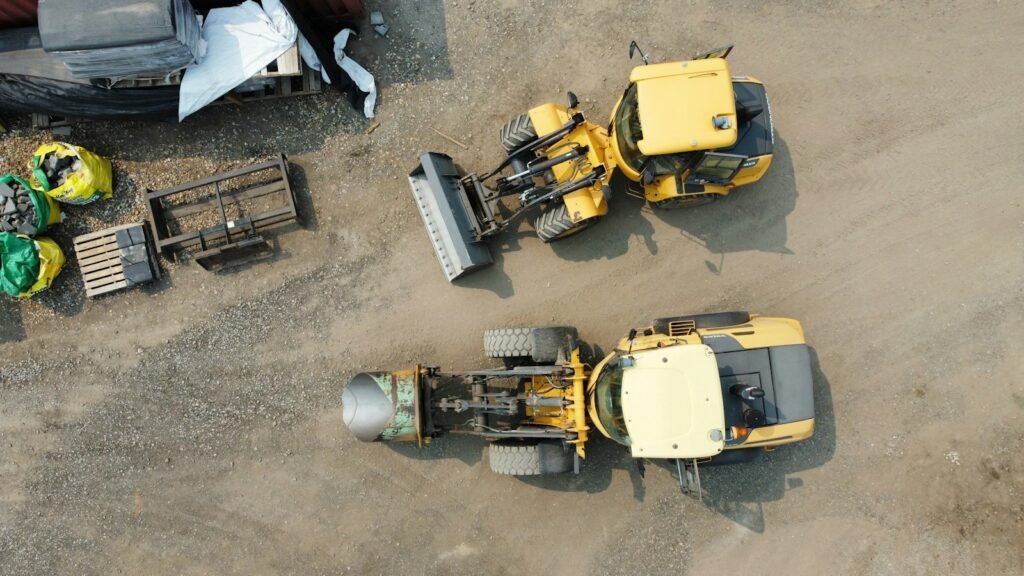
Equipment cleaning before sale needs a clear purpose and a deadline. Start with the next step in the transaction, such as listing photographs, a dealer evaluation, or an auction preview. Then decide which surfaces need cleaning before that event.
Use this guide as a suggested planning sequence. Adapt it to the machine, sale process, and equipment owner’s requirements. For service coverage in New Jersey, New York, Pennsylvania, and Delaware, see asset presentation cleaning.
Separate cleaning from the rest of sale preparation
Create a short list of work before booking contractors. Put cleaning, repairs, repainting, transport, inspection, and photography on separate lines. Assign each task to a named person or provider.
Ritchie Bros. lists cleaning, mechanical work, painting, and decal replacement as distinct parts of its refurbishing services. That is a useful example of how to separate the tasks. See its equipment refurbishing overview.
For your project, ask the seller or auction coordinator which tasks must finish before photographs. Also confirm whether any repair work must happen first. A cleaning quote should describe its own limits rather than stand in for a complete refurbishment plan.
Build an asset list for equipment cleaning before sale
Give each machine an asset number that appears on the scope, photographs, and work record. Record its make, model, location, and proposed sale route. For multiple lots, set a priority order.
- Identify the machine and attachments included in the sale.
- Describe the buildup on each proposed cleaning area.
- Mark surfaces, labels, finishes, and parts to preserve.
- Record access limits and the person responsible for moving equipment.
- List the photography and inspection deadlines separately.
Attach a wide view and a close-up of each target area. Do not rely on a single listing photo to define the work. Use the Project Brief Builder to organize the request.
Choose presentation and inspection priorities
Decide what the photographer needs to show and what the buyer needs to inspect. For example, you might request cleaning of an accessible housing for a condition photograph. Label that as a specific task rather than asking for the entire machine to look new.
Keep visible wear and known defects in the condition record. Do not use cleaning instructions to conceal damage or remove identifying information. Ask the owner to review uncertain labels or finishes before any work begins.
For production assets, use the industrial machinery cleaning guide to define the surfaces. For mobile plant, review construction equipment cleaning.
For dealers or owners selling used fitness machines, review fitness equipment cleaning before resale. Identify the frames, housings, and other surfaces needed for listing photographs, then confirm material compatibility and any test area.
Agree on a test and a practical stopping point
Request a test when the deposit, coating, or required finish needs evaluation. Mark the test area and agree on who inspects it. Record the result before expanding the work.
Define the desired cleaning outcome in plain language. For example, request removal of an identified oily deposit from a named exterior surface. Keep paint removal, corrosion repair, and cosmetic refinishing out of that instruction unless separately reviewed and assigned.
Also set a stopping point for areas where access or condition differs from the agreed scope. Decide who can approve a change in cost or schedule.
Coordinate cleaning, photography, and buyer access
Work backward from the confirmed photography date. Reserve time for site setup, cleaning, collection of removed material, and the owner’s review. Then confirm when the equipment becomes available for photographs or inspection.
For an auction yard, ask about contractor access, moving machines, and concurrent activity. Name the contact who can release each asset. Do not schedule work in a buyer inspection area without the yard’s approval.
Keep a useful handoff record
Request matching before-and-after views of the agreed areas. Pair them with the asset number, work date, completed scope, and exclusions. Keep the cleaning record alongside the owner’s separate maintenance and condition records.
If the asset is going back to a lessor instead of being sold, use the equipment lease return cleaning checklist. Its starting point is the lessor’s written return requirements.
Arrange equipment cleaning before sale
Send the asset list, current photos, location, and transaction deadline. Include the contact who accepts the work. Then request an equipment presentation cleaning review to discuss the scope and available dates.