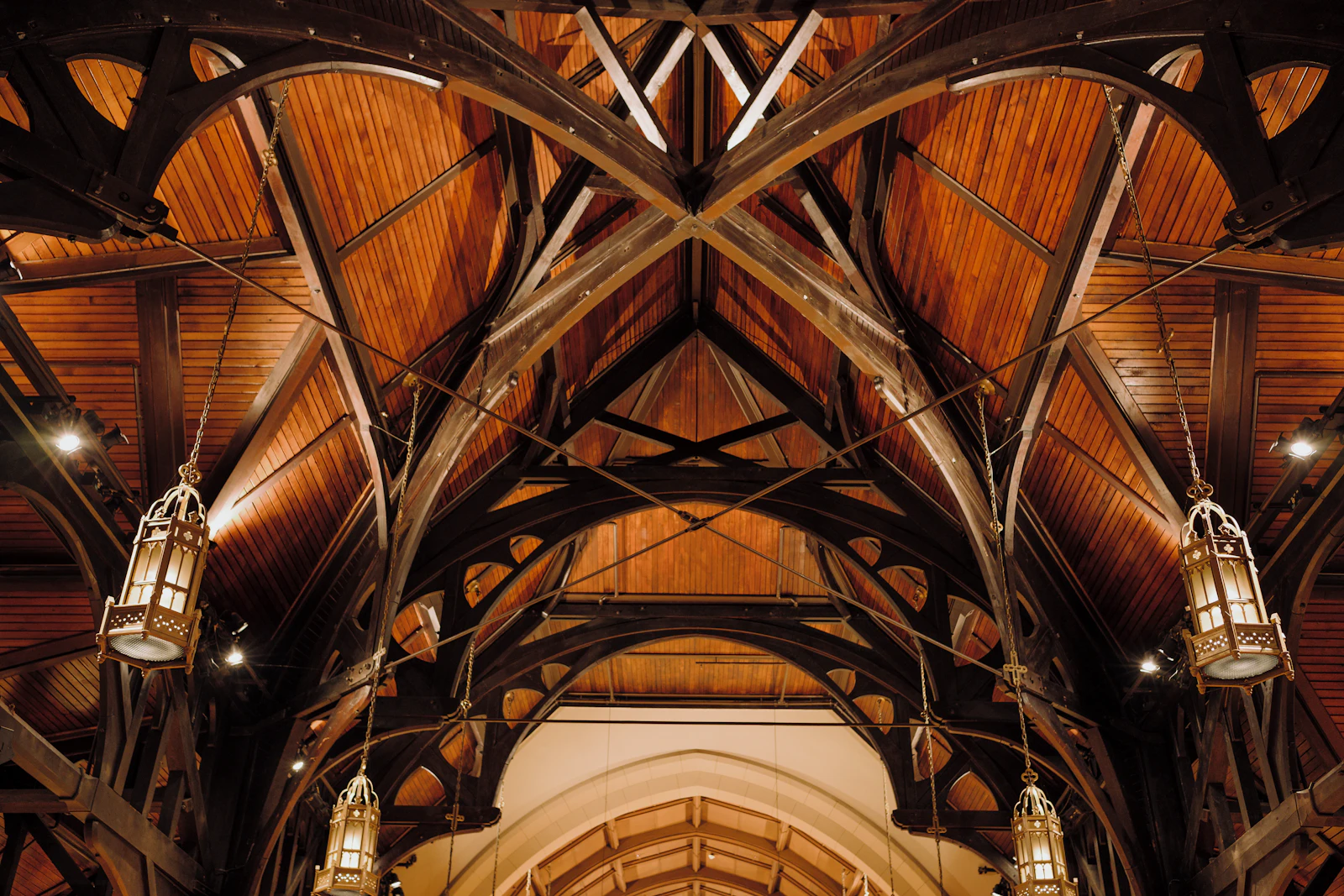
INDUSTRY FOCUS
Historic Timber and Masonry Dry Ice Cleaning
Historic timber and masonry dry ice cleaning with your preservation team. Clean surface deposits while retaining the features specified for conservation.
Precision Dry Ice Cleaning provides historic timber and masonry dry ice cleaning with your preservation team. Clean surface deposits while retaining the features specified for conservation.
Deposits removed from historic timber and masonry
Cleaning targets accumulated grime, soot and identified surface deposits on the timber or masonry specified by the preservation team. The approved sample defines the retained texture, patina, inscriptions and finish; crusts and salts require their own material review.
Operational benefits
- Reveal specified details for conservation inspection.
- Clean defined areas without introducing wash water.
- Avoid added blasting grit while following the conservation team’s sample and handoff criteria.
Non-toxic dry ice and eco-friendly cleaning benefits
Dry ice is a non-toxic cleaning medium. Dry ice blasting cleans with solid CO₂ and compressed air without detergents, solvents, wash water or added abrasive grit. Its environmental benefits include no chemical rinse water and no spent blasting media from the blasting step.
Food-grade dry ice is a food-safe cleaning medium used for food-processing equipment. Food-facility cleaning still follows the site’s sanitation, allergen-control and equipment-release procedures.
The dry ice turns into gas. Removed deposits still require collection, and ventilation and protective equipment remain part of the cleaning setup.
Define retained finishes before historic preservation cleaning
For timber framing, log structures, and church interiors, identify the wood, surface condition, existing finishes, and details to retain. For brick, stone, or brownstone, identify the masonry, mortar, repairs, coatings, and deterioration before discussing a cleaning trial. Age alone is not enough information to select a method. For dark masonry deposits, read the dirt and black crust guide. For white salts, see the efflorescence guide.
The National Park Service’s Preservation Brief 1 recommends testing cleaning methods and starting with the gentlest effective approach. It also cautions that a new-looking surface may be inappropriate for historic masonry. This guidance is not a specific endorsement of dry ice blasting. For fire-related deposits, coordinate the timber or masonry task with the restoration contractor soot-cleaning guide.
Review a sample before a larger commitment
Have the responsible preservation professional identify the trial location and the material or finish that must remain. A test cleaning should define deposit removal, agreed limits on remaining staining, and the inspection method before any wider scope is agreed.
Record before-and-after photographs under comparable lighting. Ask the project professional to assess texture, finish, grain or masonry condition, and adjacent joints or details. Include any observation period they require. Keep the approved sample and written acceptance criteria as references for subsequent work.
Make access and protection part of the proposal
- Provide the building location, approximate age, and known material or treatment history.
- Identify fragile finishes, original fabric, decorative details, and nearby items to protect.
- Share applicable project specifications and the responsible architect or conservator’s instructions.
- Define access equipment, work-zone separation, ventilation, and residue collection.
- Identify who approves the sample and who signs off on the completed cleaning scope.
Disclose known or suspected hazardous coatings or materials before planning any disturbance. The responsible project team should determine the assessment, handling, and specialist requirements. The request must identify those conditions rather than assume a general cleaning method addresses them.
Wood and retained timber finishes
For retained timber surfaces, start with the wood and timber restoration cleaning scope and define the finish, test area and conservation requirements.
Historic preservation cleaning questions
Can every timber or masonry surface be cleaned with dry ice? Choose the cleaning method for the specific material, condition, deposit, and retained finish. Review the application limits and begin with professional assessment.
Can you promise complete paint removal from brownstone? The proposed trial must address both removal and the condition of the retained surface. A cleaning proposal should not promise a result before that evaluation.
Is mold remediation part of this offer? No. Mold assessment and remediation are outside this preservation-cleaning offer.
Get a preservation cleaning quote in NJ, NY, PA, or DE. Send photographs of the whole element, close views of the deposit, and the preservation specification. For coating questions, see paint-removal guidance.
LET’S LOOK AT YOUR PROJECT
Need dry ice
cleaning?
Call for dry ice cleaning services in NJ, NY, PA, or DE. Tell us what needs cleaning and when you need the work done.
NY · NJ · PA · DE / Businesses and private owners