What to Include in a Pharmaceutical Equipment Cleaning Scope
Published · Updated
Define equipment boundaries, residue information, approvals, and documentation for a pharmaceutical cleaning evaluation.
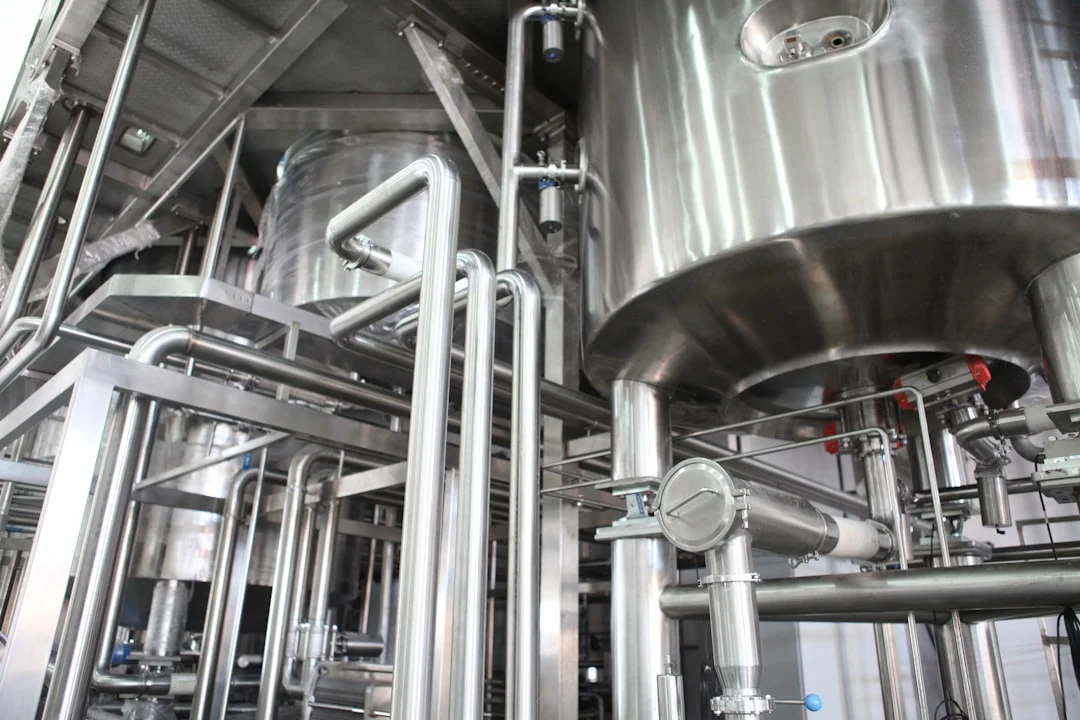
A pharmaceutical equipment cleaning scope should make the proposed task understandable to maintenance, production, and quality personnel. Start with the equipment and residue being evaluated, then identify the approvals needed before a trial or scheduled visit.
This guide is a project-planning outline. Your facility’s approved procedures and equipment requirements determine what work is permitted. Use it to prepare a pharmaceutical equipment dry ice cleaning inquiry.
Define the pharmaceutical equipment cleaning scope precisely
Name the equipment, its location, and the surfaces proposed for cleaning. Distinguish accessible external structures from product-contact areas. Include drawings or annotated photographs when the boundary is not obvious.
Describe the intended outcome. A request to remove a selected deposit from an external equipment surface is different from a request involving a validated product-contact cleaning process. Keep those scopes separate in the initial review.
Record any surfaces excluded from the proposed task. Include nearby components that require protection and the person authorized to approve work within each boundary. This prevents a general equipment description from becoming an unintended approval.
Provide residue and surface information
Identify the known residue and share the relevant information through the facility’s approved process. Include cleaning agents or maintenance materials that may also be present. If the residue is uncertain, state that clearly.
Describe the underlying material, coating, labels, seals, and other features that must remain. Provide the equipment manufacturer’s restrictions and any site procedures that govern cleaning or access.
The proposed method should be evaluated against those requirements. Avoid relying on a general dry ice application description as evidence that a particular piece of equipment or residue is suitable.
Put quality review before the trial
Identify who must approve the test area, procedure, and acceptance criteria. Include the documentation that the facility expects before work can begin.
A test should answer a defined question about the selected deposit and surface. Record what will be inspected, how the result will be evaluated, and who makes the decision about further work.
Visual appearance may be useful for some maintenance objectives. It should not be substituted for any sampling, analytical method, or other acceptance requirement established by the facility. Keep the proposed cleaning task within its approved role.
Keep cleaning and subsequent processing distinct
Define what happens after the selected cleaning step. The equipment may need additional cleaning, inspection, disinfection, or another facility-controlled procedure before release.
The CDC distinguishes cleaning from disinfection and sterilization. That distinction is useful when describing responsibilities, but it does not establish approval for a pharmaceutical manufacturing process.
Do not describe a general equipment cleaning service as sterile processing or as a validated outcome. The scope should name the responsible facility team and the release decision that remains under its control.
Plan access and residue handling
Specify when the equipment can be made available and who handles isolation, access, or removal of guards. Identify the permitted work area and equipment staging arrangements.
Include the facility’s requirements for controlling and collecting removed material. Dry ice changing to gas does not eliminate the residue taken off the equipment. The work plan must still address that material and the surrounding area.
Arrange these tasks within the maintenance or shutdown window. Allow for preparation, the approved trial or cleaning, cleanup, inspection, and documentation.
Document the pharmaceutical equipment cleaning scope
Agree on the records needed before the visit. These might include the equipment identifier, approved boundaries, photographs where permitted, work completed, exclusions, and the inspection decision.
Keep factual observations separate from conclusions that require facility approval. If an area cannot be accessed or a deposit remains, document it and assign the next decision.
Build your pharmaceutical equipment cleaning brief with the selected assets, surface boundaries, cleaning objectives, and timing for maintenance and quality review.
For a pharmaceutical equipment cleaning scope review, send the site location, equipment description, proposed surface boundary, residue information, and expected timing. Identify the maintenance and quality contacts involved in approval. Request a project review to establish what additional information is needed before a test or quote.