PRECISION DRY ICE CLEANING
Request a dry ice test cleaning.
Discuss a dry ice test cleaning for your equipment, vehicle, or vessel. Agree on the test area, objectives, and any charge before a visit.
PREFER TO TALK?
917-695-9595support@precisiondryicecleaning.comServing NY, NJ, PA, DE
Businesses, workshops, and private owners
Define a useful dry ice test cleaning
Describe the asset, material, contamination, and condition you need after cleaning. Include the current cleaning method, access limitations, and photographs of both the overall equipment and a representative deposit.
If you would like to organize the details first, use the Project Brief Builder to prepare the cleaning objective, equipment description, and timing for the test discussion.
Agree on the test scope first
Test availability, location, preparation, size, timing, any charge, and documentation should be confirmed in advance. A test request is not a booking.
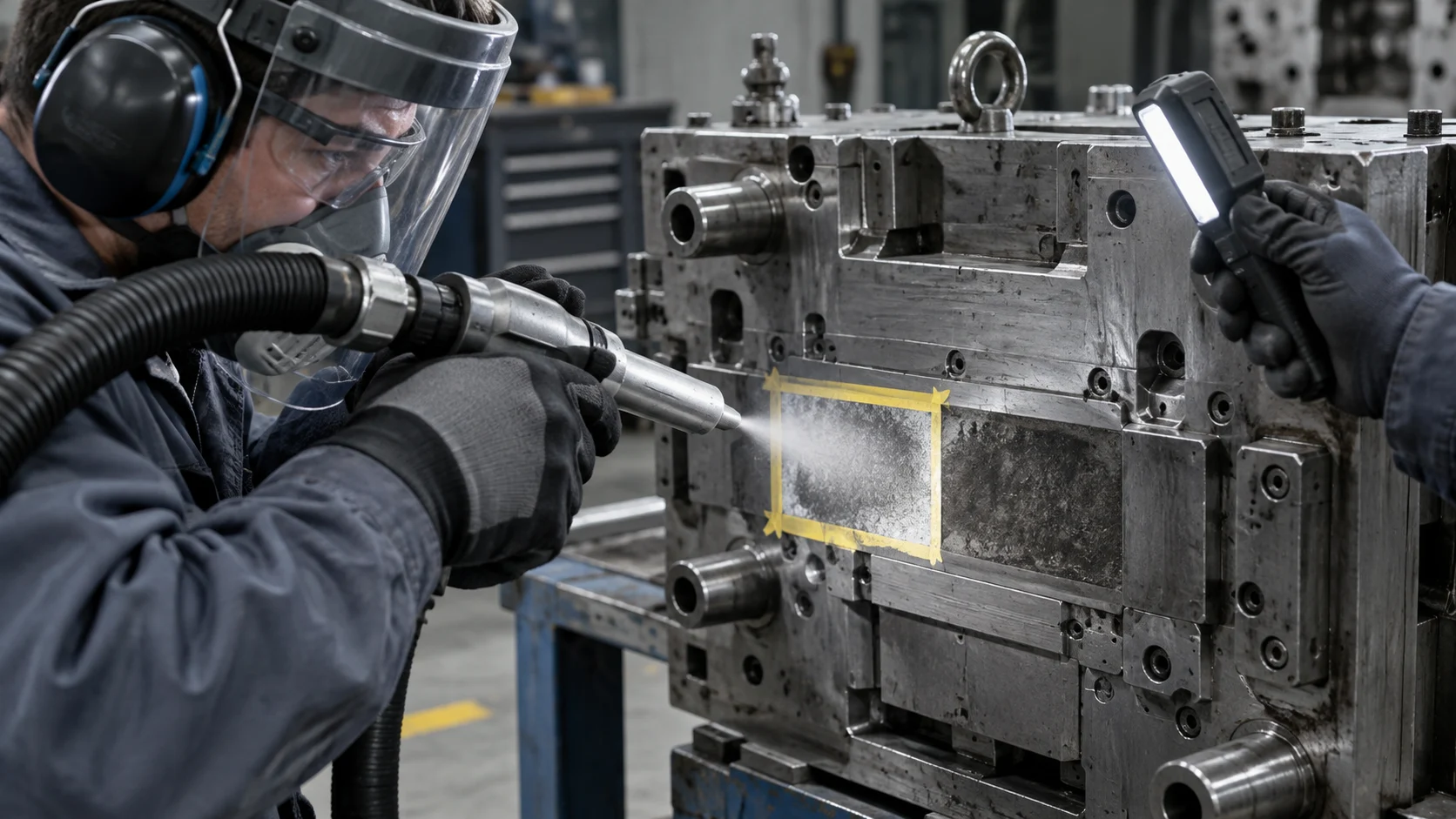
Choose a representative area
Choose a section that reflects the buildup and access conditions of the larger project. Include any nearby finishes, seals, wiring, or previous repairs that need protection. Identify the surface you want to preserve and the deposit you want removed. If the asset has several materials or types of residue, discuss whether more than one area needs evaluation.
Use the form above to share the application, project ZIP code, and a short description. Photos and technical details can follow. Read the privacy and project information policy before sharing photos or technical files. Browse our cleaning services to find the relevant equipment category and review applications and limitations when comparing methods. Cold Jet’s technical FAQ provides background on the process and its limitations.
Use a test cleaning report before extending the scope
The two-page PDF includes a fillable test worksheet and a clearly labeled fictional example. Use it to define the test area, the surface to retain, the inspection criterion and the person who makes the next decision.
Download the test report and example
Complete the worksheet from actual observations. Record remaining material and visible surface changes alongside the cleaned area. Keep original photograph references and actual time records with the test.
| Test finding | Decision to record |
|---|---|
| The agreed criterion is met in the tested area | Consider proceeding within those tested limits and the approved scope. |
| Residue or access differs from the test | Revise the scope or evaluate another representative area. |
| The result falls short or the surface changes unexpectedly | Pause for review and consider a different approach. |
| A technical check remains outstanding | Assign that check before the responsible owner approves the next step. |
Illustrative example only A proposed test targets an oily deposit on one accessible painted housing. In this fictional example, the flat area meets the agreed visual criterion while residue remains at an untested recessed edge. The decision is to review that edge separately and obtain actual time records before estimating wider work.
This example demonstrates report wording. It is not a completed Precision project, a promised result or an instruction for operating equipment. A test record should state what it establishes and what remains untested.
When a scope becomes recurring work, retain the baseline and visit observations in the maintenance cleaning log.
Evaluate the dry ice test cleaning result
Agree on what a useful result looks like before the trial. That might mean removing a deposit for inspection, exposing an accessible component, or cleaning while retaining an existing finish. Record the starting condition, test area, time used, remaining residue, and any surface change. Review the result against those objectives before deciding on a larger scope.
A result on one accessible patch does not establish the time or cost for a whole machine, vehicle, or vessel. Different deposits, restricted access, and changes in surface condition need separate consideration. Use the findings to identify which areas to include, exclude, or assess with another method.
Plan access, preparation, and pricing
Identify the site contact, available work window, and who handles access or disassembly. Review facility requirements and the project pricing guide before scheduling. Confirm any test charge, preparation, cleanup, and documentation in the agreed scope. Submitting an inquiry starts the discussion and does not reserve a date.
Have project photos ready?
Email an overall view and close-ups of the buildup. Include your name and project ZIP code.