PRECISION DRY ICE CLEANING
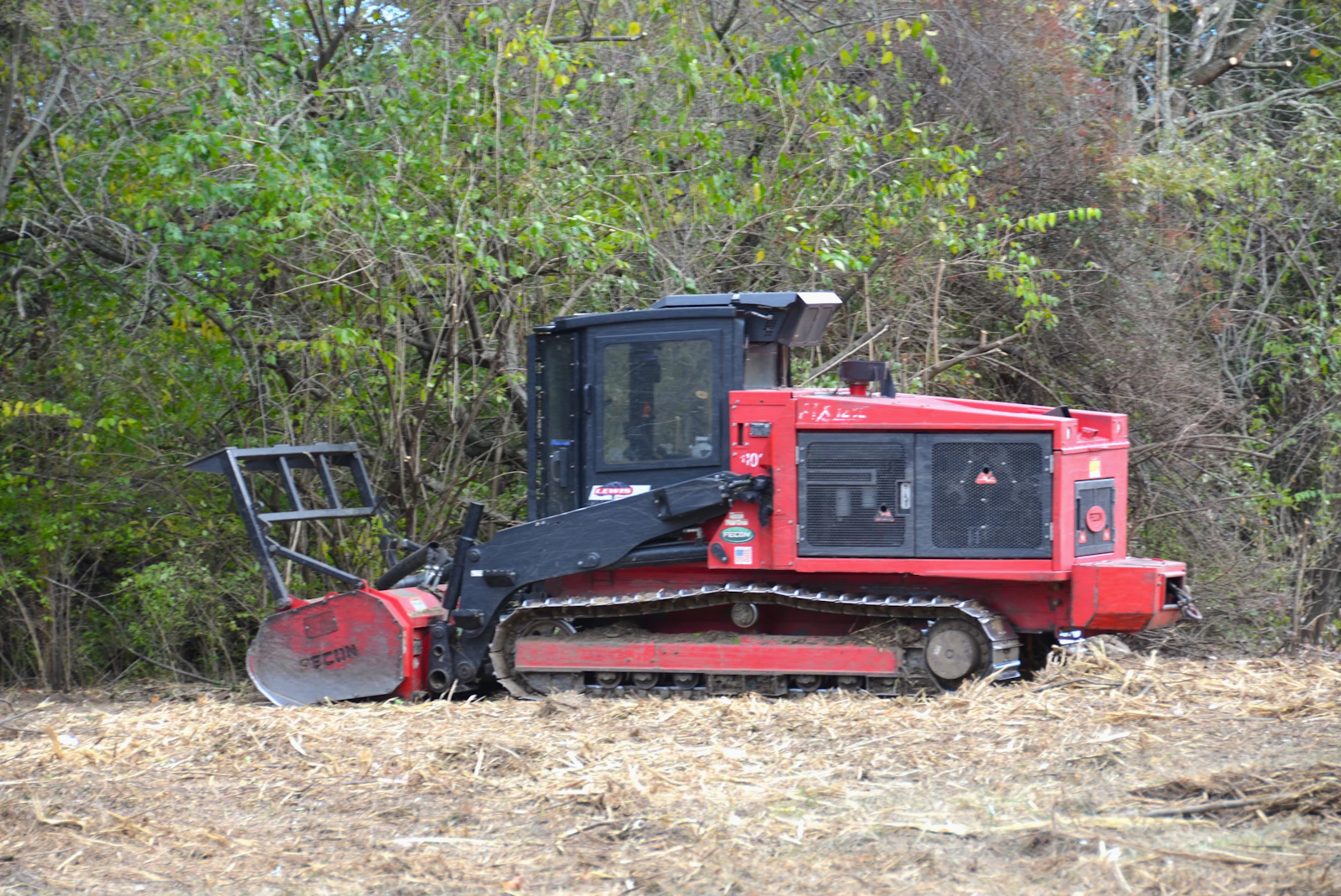
Forestry Equipment Dry Ice Cleaning
Mobile removal of sap, resin, grease and oily wood dust from forestry equipment in NY, NJ, PA and DE.
Forestry equipment dry ice cleaning removes grease, oily wood-dust buildup, pitch and resin from accessible machinery surfaces. Precision Dry Ice Cleaning provides mobile service for forestry mulching contractors, tree-service businesses, logging operators and land-clearing fleets across New York, New Jersey, Pennsylvania and Delaware.
Book cleaning before a service visit, between projects or ahead of an equipment sale. Send photos of the machine and the areas you want cleaned, along with your location and preferred date.
Deposits removed from forestry equipment
We remove grease mixed with wood dust, sticky sap, pitch and resin from accessible forestry machinery. Deposits around hydraulic housings, guards, engine exteriors and mulching-head drive areas are grouped by component.
Operational benefits
- Expose external fittings and service points for maintenance inspection.
- Clean accessible machinery in place without dismantling assemblies solely to reach exterior deposits.
- Remove buildup without wash water, chemical cleaning agents or added abrasive grit.
Non-toxic dry ice and eco-friendly cleaning benefits
Dry ice is a non-toxic cleaning medium. Dry ice blasting cleans with solid CO₂ and compressed air without detergents, solvents, wash water or added abrasive grit. Its environmental benefits include no chemical rinse water and no spent blasting media from the blasting step.
The dry ice turns into gas. Removed deposits still require collection, and ventilation and protective equipment remain part of the cleaning setup.
Cleaning for forestry and land clearing equipment
Build the job around the machines you operate and the work that follows cleaning. A mulching head heading into the shop needs a different cleaning boundary from a complete machine being photographed for sale.
- Forestry mulchers and mulching attachments. Accessible metal housings, guards and attachment frames.
- Compact track loaders and dedicated mulching carriers. External machinery surfaces and service areas.
- Wood chippers and stump grinders. Equipment exteriors, frames and accessible maintenance surfaces.
- Skidders, harvesters, forwarders and log loaders. Machinery exteriors and areas identified for repair or inspection.
For excavators, loaders and mixed contractor fleets, see our construction and mining equipment cleaning service.
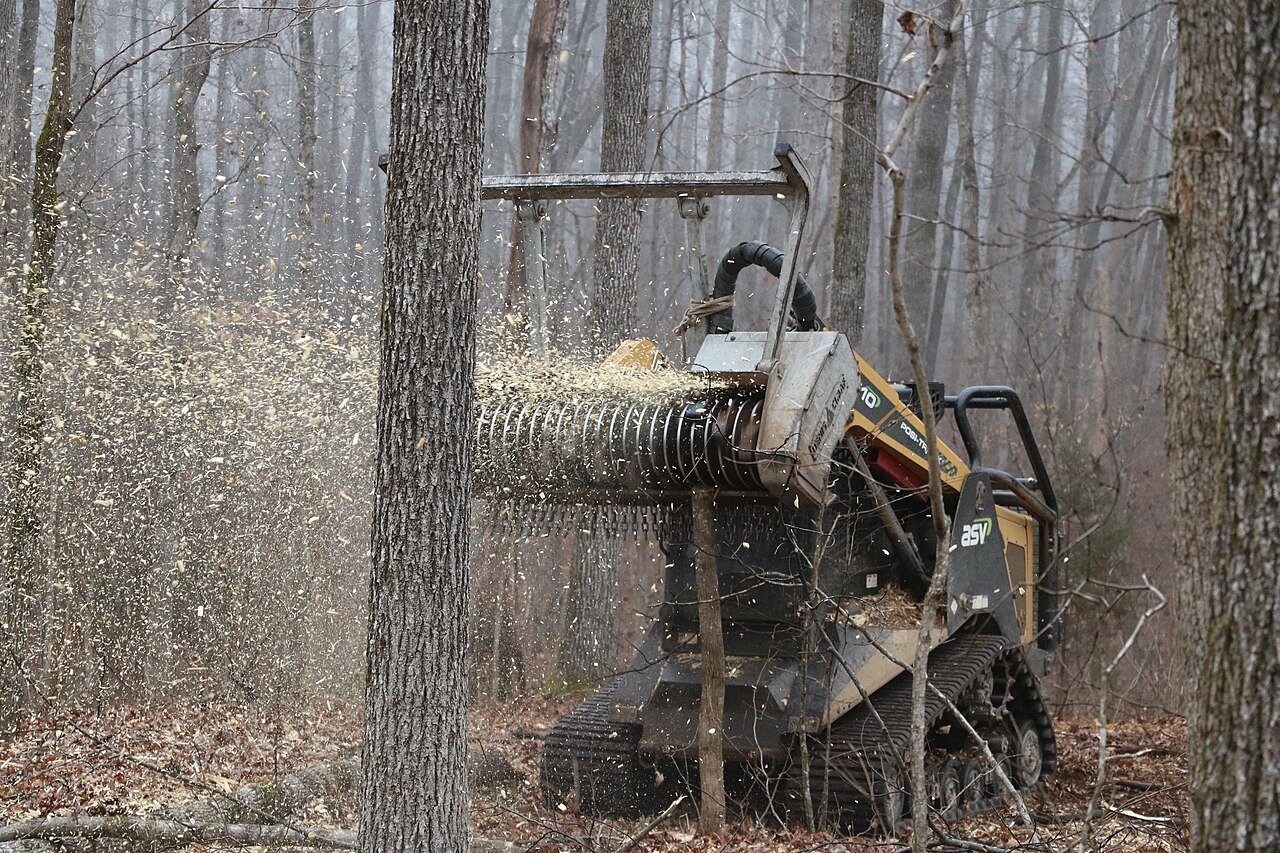

Remove sticky sap, resin and oily wood dust
For your cleaning request, show us the sticky deposits as well as the loose chips. Include close-ups of pine sap, resin, grease, hydraulic oil residue, fine wood fibers, pollen and dust-coated machinery surfaces. Add the vegetation you have been processing, including pines, hardwoods, brush or vines.
Dry ice blasting removes pitch and pine-tar deposits from wood-processing equipment and grease and oil from heavy machinery. It targets the bonded residue that remains after loose branches, chips and packed soil have been cleared. 3, 2
How dry ice releases bonded buildup
Compressed air accelerates solid carbon dioxide particles toward the deposit. Particle impact and rapid cooling help loosen the contamination, while the dry ice changes directly from solid to gas. The blasting medium leaves no persistent grit and adds no wash water. Removed contamination still needs to be collected. 13
For forestry work, organize the visit around the attachment, hydraulic service points and engine-compartment surfaces that need detailed cleaning. Keep routine debris clearing in the operator’s maintenance schedule.
Clean before service inspection or sale
Identify the area your mechanic needs to see before cleaning starts. That might be a hose connection, a mounting point, a guard or an external machinery housing. Keep the cleaning boundary specific so the next person knows which surfaces are ready to inspect.
For an equipment sale, include the exterior panels and accessible service areas a buyer or photographer needs to see. Record the starting condition and the finished surfaces using matching photo angles. Use our asset presentation cleaning service for auction and lease-return projects.
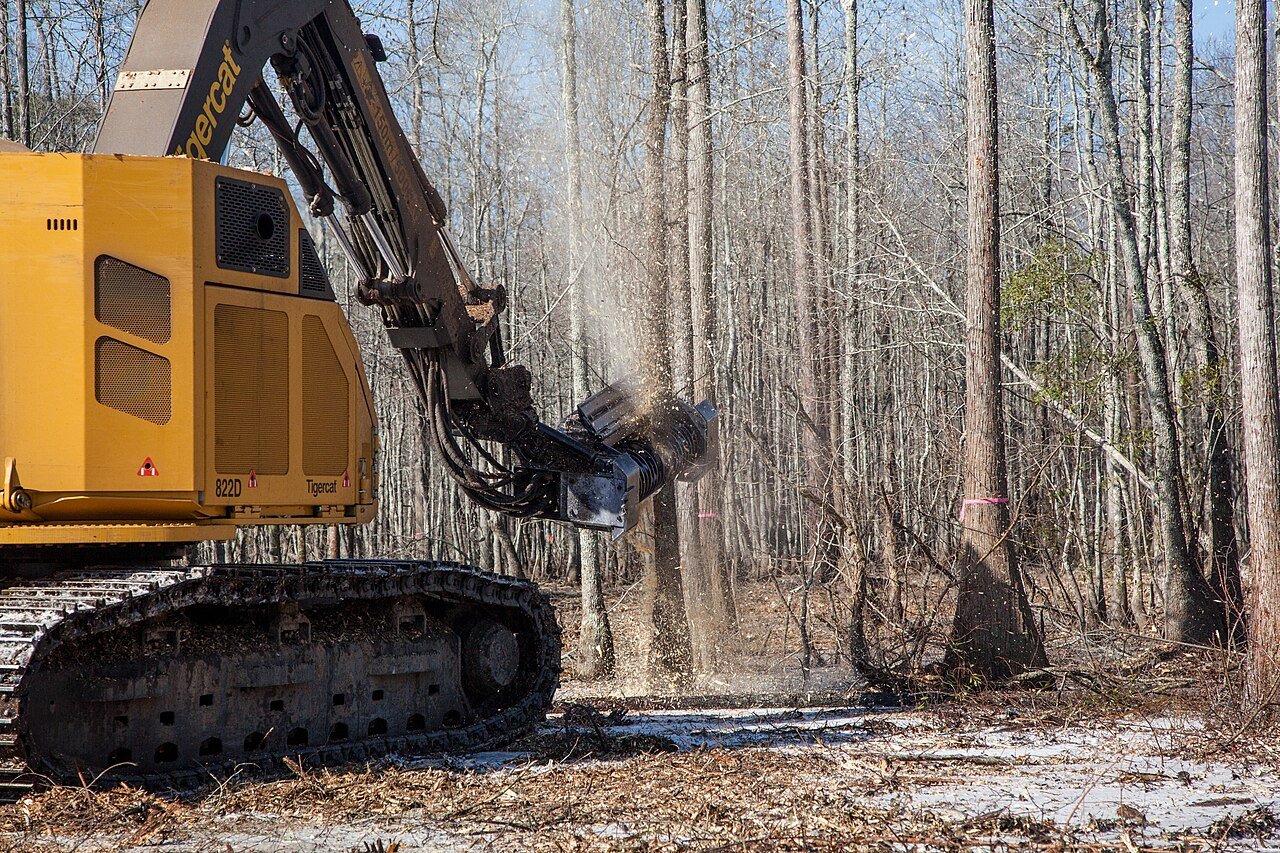

Five forestry equipment cleaning priorities
Include these areas in your cleaning request so the work follows the machine’s maintenance priorities. The carrier and mulching attachment should each have their own target list.
Hydraulic oil coolers and radiators
Chips, sap and dust can block cooler fins and restrict airflow. Fecon identifies a packed cooler core as a common mulching-equipment cooling problem. Cleaning the blockage is a maintenance priority; bent fins, leaks and fan faults also need attention. 4
Dry ice radiator-fin cleaning is documented on industrial equipment. For your forestry machine, include cooler screens, shrouds and the core in the request, with the cooler make and model. Core cleaning follows its manufacturer’s procedure, including whether dry ice is permitted. Fin material, condition, nozzle access and debris exit paths determine the work; no single blasting setting applies to every core. 8
Wiring harnesses, sensors and alternators
Dry ice cleaning provides an option for removing surface contamination without introducing wash water. Include wiring routes, sensor mounts, connector exteriors and alternator housings in the target list. Tigercat specifically cautions against direct pressure-water spray on these electrical areas. 5
Electrical cleaning is planned with the machine shut down and isolated. Grounding, dry compressed air and protection of damaged insulation or open connectors are part of the setup. Dry ice is non-conductive, but blasting can generate static discharge; that property does not authorize blasting energized components. 9, 10, 12
Hydraulic pumps, motors and valve manifolds
Target oily buildup on external pump and motor housings, valve blocks, hose connections and service points. Dry ice removes grease and oil from heavy-equipment surfaces without adding wash water. 2 Specify the external areas your mechanic needs to inspect, protect openings and seal interfaces, and record any visible concerns for the maintenance team.
Mulching-head drive housings, pulleys and guards
Add metal guard walls, accessible pulley surfaces and the attachment frame to the cleaning list. Your equipment team opens the required guards and identifies belts, bearings and seals that need protection. Keep cleaning access separate from belt adjustment and lubrication. Loftness notes that grease reaching a drive belt can cause slippage. 6
Engine bays and turbocharger-area exteriors
Include accessible engine surfaces, compartment panels and external housings around the turbocharger and exhaust system. Wood debris near hot components is a fire hazard. Clear loose combustible material first, then schedule detailed residue cleaning with the engine shut down and cooled. Intakes, breathers and aftertreatment openings need protection. 5
For related work, see our electrical equipment cleaning and engine bay cleaning services.
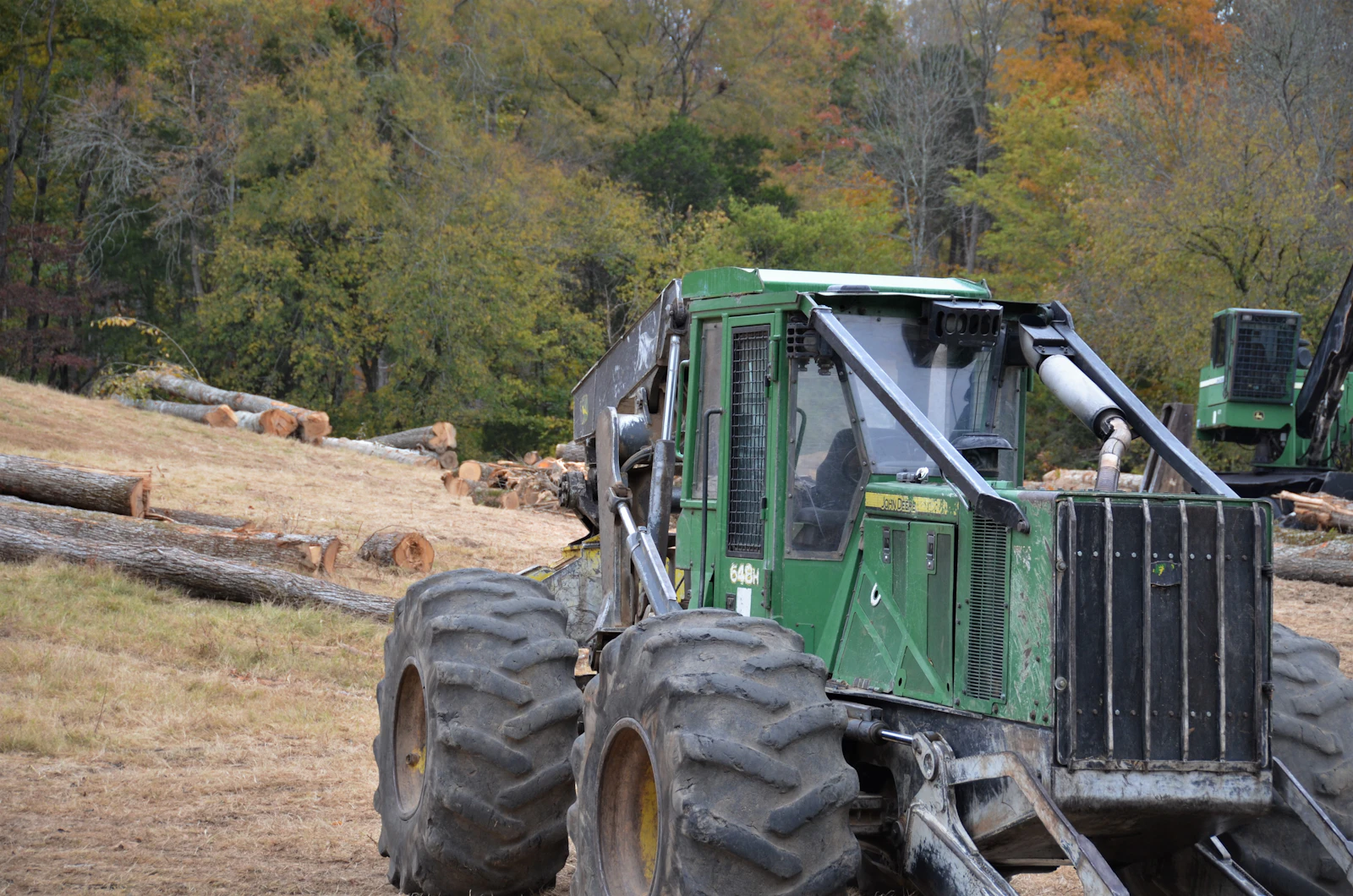
One machine or a recurring fleet visit
Send one machine for a focused cleaning job, or group several units at your yard. For repeat visits, keep an asset list with the same target areas and photo points. Set the schedule around the operating workload, observed buildup and the manufacturer’s maintenance instructions.
For a repeat program, use our scheduled maintenance cleaning page to organize the asset list and visit priorities.
Forestry equipment cleaning questions
Does dry ice cleaning replace daily debris removal?
Keep the daily cleaning tasks in the equipment manual. Loftness recommends checking mulching equipment for debris before and after use. 6 A booked cleaning visit should fit around those operator duties.
Can equipment stay assembled?
Accessible surfaces can remain installed where the cleaning method and access permit. Your maintenance team should remove any guards or parts needed to expose the agreed areas, then handle reassembly and return-to-service checks.
How is a forestry cleaning job priced?
The quote depends on machine count, deposit condition, target areas, access, preparation, work time and cleanup. Send wide photos and close-ups. Include whether the job is for maintenance, repairs, presentation or a recurring fleet visit.
Request a forestry equipment cleaning quote
Send the carrier and mulching-head make and model, photos, city or ZIP code, target cleaning areas and preferred date. Include the vegetation you mulch, the buildup you want removed and any cooling or maintenance concerns. For several machines, add an asset list with your priorities.
Request a forestry equipment cleaning quote or call 917-695-9595.
Forestry equipment cleaning guides
- Forestry Mulcher Cleaning Before Maintenance
- Dry Ice Blasting vs Pressure Washing for Forestry Equipment
- Forestry Equipment Cleaning Before Repairs or Resale
Manufacturer references
- Kärcher dry ice blasting equipment
- Cold Jet heavy machinery applications
- Cold Jet wood-processing applications
- Fecon oil cooler maintenance
- Tigercat forestry equipment cleaning
- Loftness mulching head maintenance
- Cold Jet radiator and heat-transfer cleaning applications
- Cold Jet grounding and electrostatic discharge guidance
- Kärcher dry ice blaster operating instructions
- Cold Jet dry compressed-air guidance
- Kärcher dry ice cleaning mechanism
LET’S LOOK AT YOUR PROJECT
Need dry ice
cleaning?
Call for dry ice cleaning services in NJ, NY, PA, or DE. Tell us what needs cleaning and when you need the work done.
NY · NJ · PA · DE / Businesses and private owners