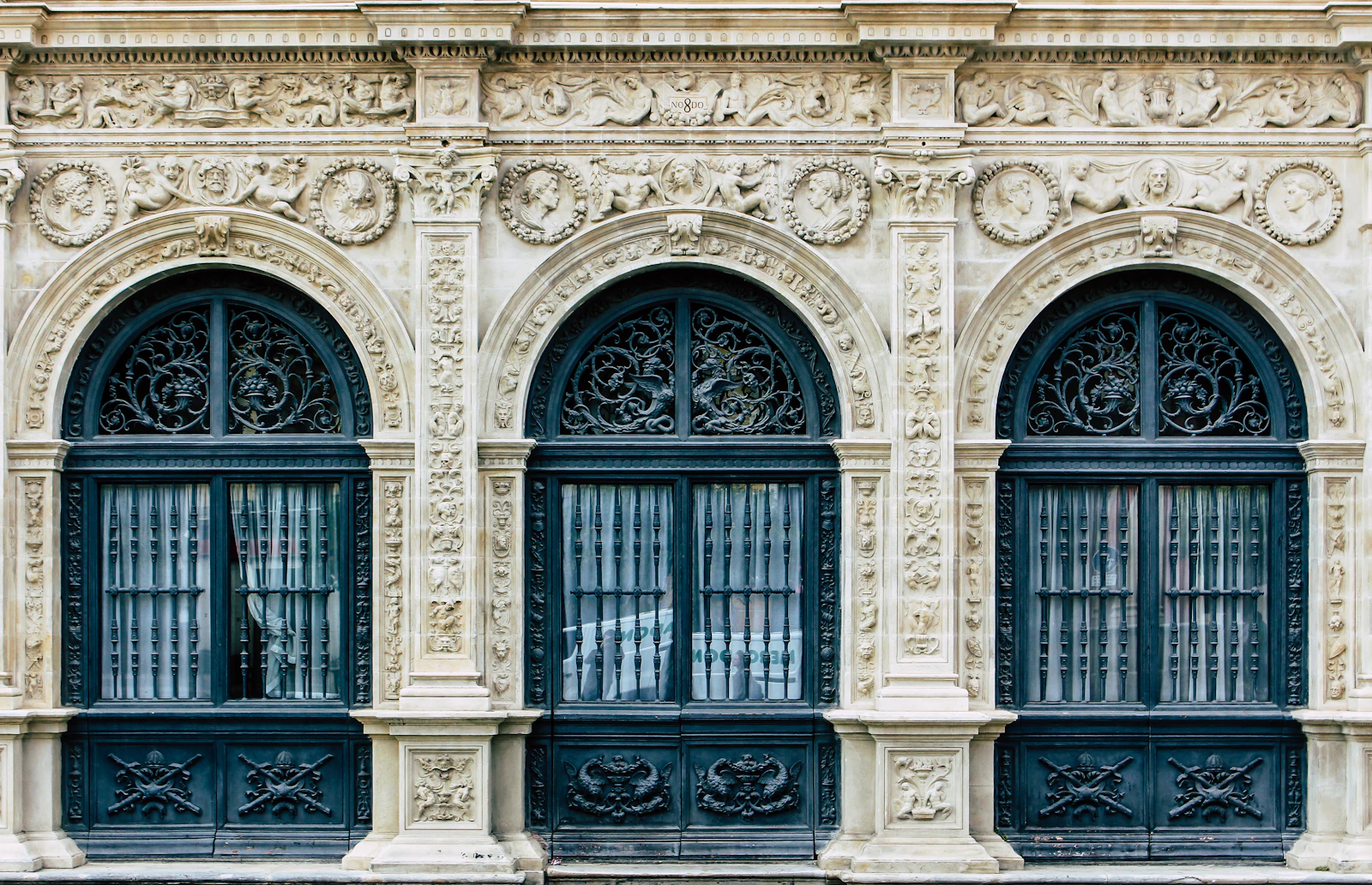
CLEANING APPLICATION
Building facade cleaning starts with the surface
Building facade dry ice cleaning for exterior dirt and surface deposits in NJ, NY, PA and DE. Request a facade cleaning quote.
We provide building facade dry ice cleaning for exterior dirt and surface deposits across New Jersey, New York, Pennsylvania and Delaware. Book cleaning for a defined elevation, entrance or exterior feature.
Deposits removed from building facades
We clean accumulated dirt, soot and identified pollution deposits from specified facade surfaces. Moss and algae follow the approved surface sample; hard black crust, white salts and deteriorated masonry are distinct from routine grime.
Operational benefits
- Clean a defined elevation or exterior feature without wash water.
- Expose specified details for inspection or the next maintenance step.
- Avoid adding abrasive media to debris collected around the property.
Non-toxic dry ice and eco-friendly cleaning benefits
Dry ice is a non-toxic cleaning medium. Dry ice blasting cleans with solid CO₂ and compressed air without detergents, solvents, wash water or added abrasive grit. Its environmental benefits include no chemical rinse water and no spent blasting media from the blasting step.
Food-grade dry ice is a food-safe cleaning medium used for food-processing equipment. Food-facility cleaning still follows the site’s sanitation, allergen-control and equipment-release procedures.
The dry ice turns into gas. Removed deposits still require collection, and ventilation and protective equipment remain part of the cleaning setup.
Define the building facade dry ice cleaning area
Mark the elevation and surface that need attention. Identify the substrate, coating, joints, previous repairs, and any decorative details. Include wide photographs of the building and close views of both the deposit and a cleaner reference area.
Algae and moss on exterior building surfaces
Dry ice cleaning may be tested for algae or moss deposits on an exterior surface. The substrate, finish, biological material, moisture source, and neighboring details determine whether this approach is appropriate. A manufacturer’s historical-restoration overview describes biological-growth removal, but its example does not establish a result on this building.
Choose a small test area and inspect the underlying masonry, wood, metal, or coating with the property team. Cleaning targets deposits; it does not correct the moisture conditions that allowed growth or document a microbiological outcome. Get a façade cleaning quote with photographs and surface details.
List each facade material and finish separately. Mark loose coatings, cracked joints, worn surfaces and previous repairs so the cleaning areas and retained features are clear.
State whether the aim is to remove a deposit, improve access for inspection, or prepare for another maintenance task. Identify finishes and features that must remain. Keep repair work and any later coating process visible in the wider project plan.
Identify dark deposits and white salts before cleaning
Ordinary dirt, pollution staining, and black crust require different assessments. Read the guide to dirt, pollution, and black crust on masonry before choosing a trial area. A hard black crust can overlie weakened stone; cleaning results and the condition beneath the deposit need professional review.
White crystalline deposits may be efflorescence rather than ordinary grime. The efflorescence guide for brick and stone explains why the source of moisture or salts should be investigated first. Surface cleaning alone does not resolve ongoing water entry.
Use a sample to agree on the result
Select a representative area with the property owner, building professional, or restoration contractor. Agree on the target deposit, surface condition, and inspection method before testing. Photograph the area under comparable lighting before and after the trial.
For historic masonry, the National Park Service recommends testing and the gentlest effective cleaning approach. Its guidance does not specifically approve dry ice blasting. Have the responsible preservation professional assess the proposed method for the actual material.
Use the historic preservation guide for retained finishes and professional review. A test-cleaning inquiry should name who accepts the sample and the condition required before work extends to a larger area.
Plan access around the property
Provide building height, ground conditions, setbacks, and the route to the work area. Identify the responsible party for access equipment. Include nearby entrances, windows, ventilation openings, walkways, parked vehicles, and occupied spaces.
Discuss work-zone separation, noise, staging, and residue collection with the property team. Agree on working hours and how access will be maintained for residents, staff, or visitors. Each elevation may need a different arrangement.
Share known coating or material concerns before planning disturbance. Identify the existing surveys and the specialist instructions that apply to the project. A cleaning method does not replace the building team’s assessment of those conditions.
Prepare a facade-cleaning request
- Building address and the elevation to be cleaned.
- Photographs of the full area, deposits, repairs, and details.
- Material and coating information where available.
- The finish to retain and the intended appearance.
- Access arrangements, work hours, and the project contact.
- The person who approves the sample and accepts the work.
Connect the facade scope to property maintenance or facility equipment cleaning when several tasks share a visit.
Building facade dry ice cleaning questions
Can the same approach be used on every exterior material?
Review each material, finish, and condition separately. The accepted sample should represent the surface included in the written scope.
Can cleaning remove every stain or coating?
Define the deposit and the required result first. A test should establish the practical result, including any remaining marks and the condition of the retained finish.
Can the building stay occupied?
Review the work zone, nearby occupied areas, access routes, ventilation, and hours with the property team. Confirm the site arrangement before scheduling.
Get a building facade cleaning quote
Get a building facade cleaning quote with photographs, material details, and your project location. For a freestanding memorial or commemorative feature, use monument cleaning.
LET’S LOOK AT YOUR PROJECT
Need dry ice
cleaning?
Call for dry ice cleaning services in NJ, NY, PA, or DE. Tell us what needs cleaning and when you need the work done.
NY · NJ · PA · DE / Businesses and private owners