PRECISION DRY ICE CLEANING
Dirt, pollution and black crust on masonry
Identify the deposit and the condition beneath it before choosing a facade cleaning method. Plan a representative test with the building team.
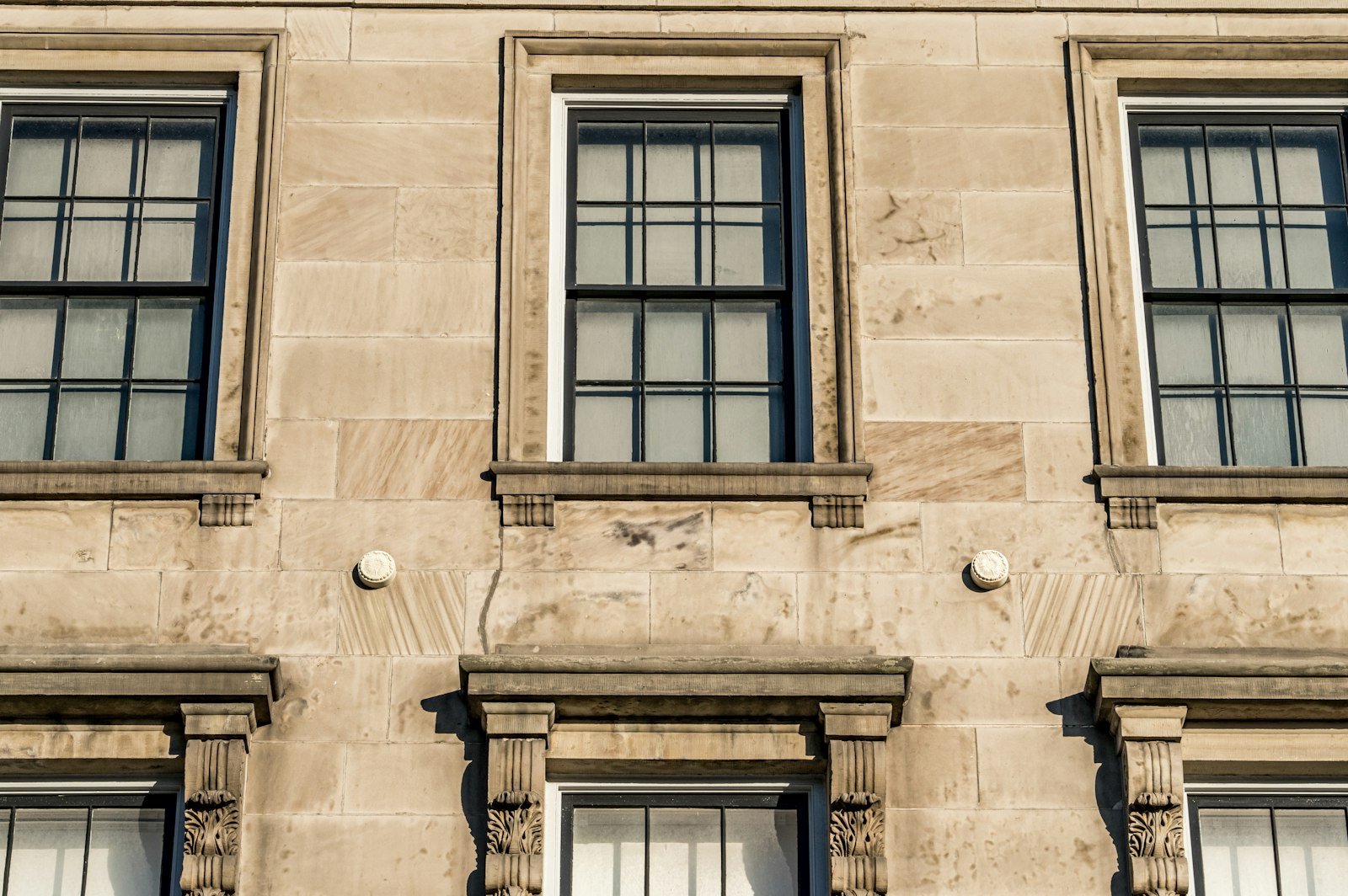
Black crust on masonry can resemble ordinary dirt or pollution staining from the sidewalk. Yet a hard crust may cover weakened stone. Before choosing a cleaning method, identify the deposit, material, and finish to keep. This guide helps property teams describe the problem and plan a test.
Is it dirt, pollution staining, or black crust on masonry?
Loose dirt can include dust and deposited debris. Pollution staining may appear as streaks or darkened areas that follow rainwater paths. Black crust is a more specific condition. On some calcium-bearing stone or cement, sulfur pollution can react with the surface. The resulting gypsum crust can hold dark particles. A dark stain is not automatically black crust, and its composition cannot be confirmed from a photograph alone.
The National Park Service describes gypsum-based black crust and warns that weakened stone may lie beneath it. A cleaning proposal should account for that condition before anyone tries to remove a tenacious deposit.
Identify the stone and the condition beneath the deposit
Record whether the affected area is limestone, marble, brick, sandstone, concrete, terra cotta, or a mix. Look for powdering, flaking, loose mortar, earlier coatings, repairs, and carved details. Include close views of edges where the dark material meets the lighter surface. Historic masonry may need a conservator or preservation professional to identify the material and specify acceptable changes.
Ask what the owner needs from the work. Is the goal to remove loose surface dirt, expose stone for an inspection, or change the appearance of an entire elevation? These are different acceptance criteria. The National Park Service recommends identifying the masonry and matching the method to it before cleaning.
Can dry ice cleaning remove black crust on masonry?
Where black crust on masonry is suspected, assess the material before considering a dry ice cleaning test. Dry ice may not remove a hard crust or pollution staining safely. A method that removes a dark layer might also expose a weak or uneven surface. Dry ice can leave dislodged debris that must be contained and collected, even though the cleaning medium itself does not remain.
If a deposit is strongly bonded or the stone is friable, ask the building professional to compare methods. Do this before agreeing on a wider scope. Some surfaces need another method, conservation work, or no cleaning.
Plan and judge a representative test area
- Choose a small area that represents the actual material, deposit, and exposure. Keep fragile details out of an initial trial unless the preservation professional specifies otherwise.
- Photograph the dry surface under consistent lighting. Record any loose grains, cracks, coatings, and prior repairs before testing.
- Agree on what must remain, what may be removed, and who will accept the sample. Inspect the surface after cleaning and after it has settled or dried as the project professional requires.
- Document any retained dark material, change in texture, exposed weakness, and debris-collection needs. Do not extend a successful test to a different stone or finish without review.
Prepare a facade cleaning inquiry
Send a wide image of each elevation and close photographs of the deposit, exposed stone, joints, and repairs. Identify the building location, access, previous treatments, and any conservation requirements. For white crystalline deposits, read the efflorescence guide first. For an exterior cleaning scope, see building facade dry ice cleaning and historic preservation cleaning.
If a test is appropriate, request a test cleaning with the material details and the person who will approve the result. To discuss the complete job, get a facade cleaning quote.
LET’S LOOK AT YOUR PROJECT
Need dry ice
cleaning?
Call for dry ice cleaning services in NJ, NY, PA, or DE. Tell us what needs cleaning and when you need the work done.
NY · NJ · PA · DE / Businesses and private owners