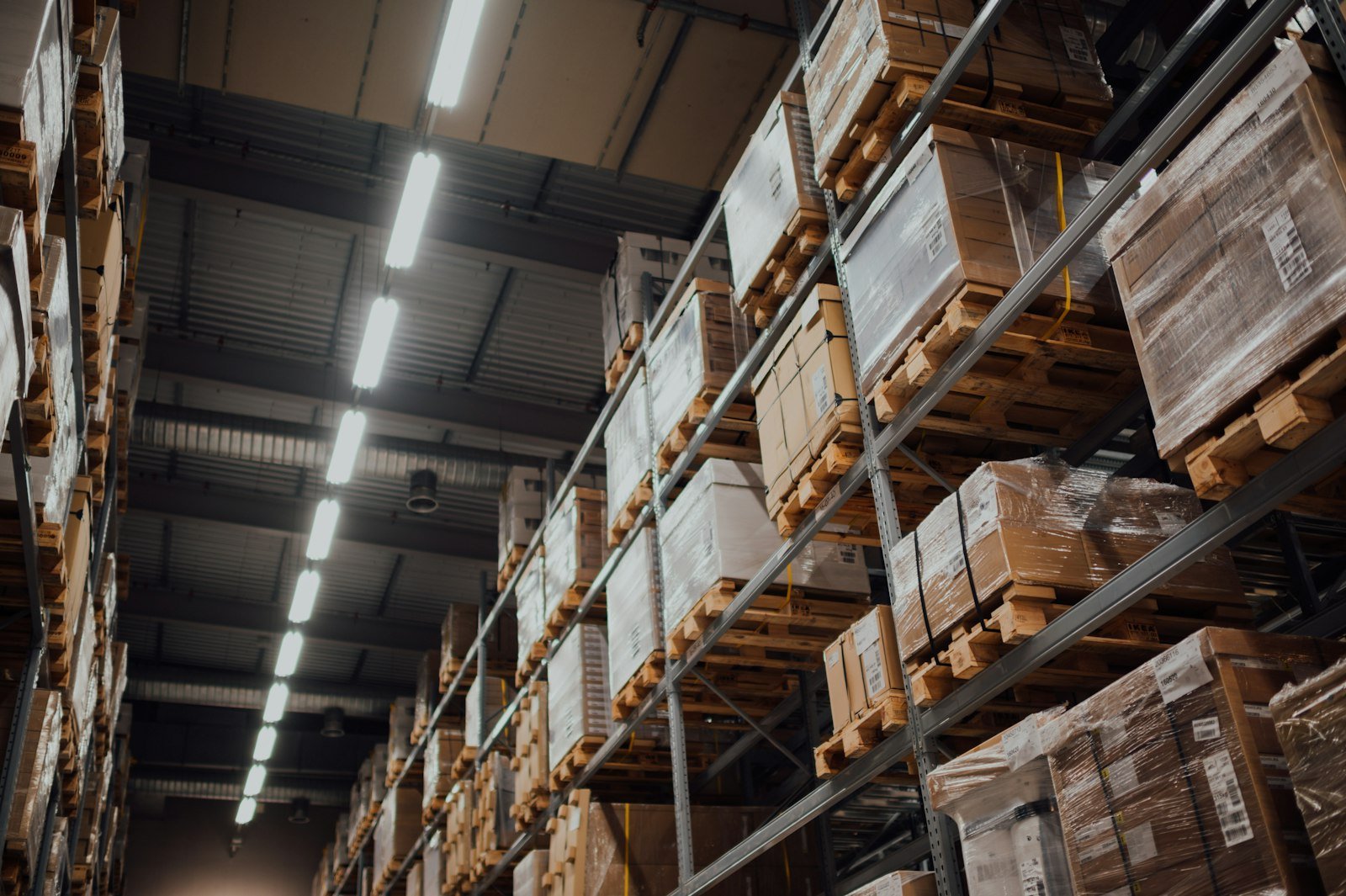
INDUSTRY FOCUS
Food Storage & Cold Storage Dry Ice Cleaning
Food storage equipment cleaning removes grease, adhesive and buildup in food warehouses, refrigerated storage facilities and distribution centers across NJ, NY, PA and DE.
With dry ice blasting, food storage equipment cleaning removes grease, oil, adhesive and accumulated grime from machinery and support surfaces. Precision Dry Ice Cleaning provides on-site service for dry goods warehouses, refrigerated distribution centers, freezer facilities and storage areas attached to food production plants.
Food storage equipment cleaning for warehouses and cold storage
Dry ice blasting targets buildup without introducing wash water or abrasive blasting grit. That makes it useful for equipment cleaning where moisture management, product protection and an organized maintenance window matter. Removed deposits still require collection and disposal.
Deposits removed during food storage equipment cleaning
We remove oily grime, label adhesive and grease from conveyor frames, guides, packaging stations and accessible drive housings. Racks, support frames and dock equipment are cleaned for their specified surface deposits.
Food storage equipment cleaning benefits
- Clean support equipment without introducing wash water into storage areas.
- Clear accessible conveyor components before adjustment and inspection.
- Group cold-storage, dry-storage and dispatch equipment within one maintenance visit.
Supporting equipment and cold-storage cleaning
Silos and storage tanks, hoppers and bins
Clean attached ingredient residue and grime from accessible storage equipment exteriors, feed outlets and support surfaces. Internal vessel cleaning requires its own access and isolation plan. Connect storage tasks to food processing equipment cleaning when the same maintenance visit covers production machinery.
Fans / man fans
Fans / man fans move air around production and storage areas. Airborne particles accumulate on blades, guards and housings. We remove attached dust and oily grime from accessible components for routine hygiene maintenance and inspection. See fan and air-handler cleaning for the equipment scope.
Evaporators and refrigeration support equipment
Include accessible evaporator fan assemblies, guards and housings in the refrigeration maintenance list. Remove attached dust and grime from the defined surfaces without introducing wash water. Coil and fin cleaning follows the refrigeration manufacturer’s instructions, with coatings, fin condition and sensitive components identified in the scope.
Materials handling equipment and general maintenance
Group conveyor structures, rollers, palletizers and dispatch equipment by storage zone. Clear grease, label adhesive and product residue before inspection and adjustment. Motor and control-panel cleaning covers de-energized electrical assets, with sensors and electrical cables protected. Packaging liners and other packaging-line machines can share the visit where food is packed on site.
Frozen food production and refrigeration coordination
Connect storage-area maintenance with frozen food production equipment cleaning. Read coordinating cleaning with refrigeration maintenance and frozen food conveyor and packaging cleaning to define the assets, product protection and release steps.
Read the FDA, EPA and USDA reference guide for food-grade media requirements and the distinct scope of each agency’s sources. Food-use provisions and technical guidance do not establish blanket approval of dry-ice blasting in food plants.
Non-toxic dry ice and eco-friendly cleaning benefits
Dry ice is a non-toxic cleaning medium. Dry ice blasting cleans with solid CO₂ and compressed air without detergents, solvents, wash water or added abrasive grit. Its environmental benefits include no chemical rinse water and no spent blasting media from the blasting step.
Food-grade dry ice is a food-safe cleaning medium used for food-processing equipment. Food-facility cleaning still follows the site’s sanitation, allergen-control and equipment-release procedures.
The dry ice turns into gas. Removed deposits still require collection, and ventilation and protective equipment remain part of the cleaning setup.
What we clean
- Conveyors and handling equipment: frames, rollers, guides, guards and accessible drive housings with grease, label adhesive and packaging residue.
- Refrigeration support equipment: accessible fan assemblies, equipment housings and external mechanical surfaces with dirt and oily buildup.
- Storage infrastructure: metal racking, support frames, pipe exteriors and accessible structural surfaces.
- Loading and dispatch areas: dock equipment, door hardware and handling equipment with grease and accumulated grime.
- Packaging stations: equipment exteriors and adhesive buildup around labeling, sealing and case-handling operations.
For facilities that also process or package food, see our food processing equipment cleaning and packaging equipment cleaning services.
Clean around your maintenance schedule
A cleaning visit can cover a single conveyor, one storage zone or an equipment list across the facility. First, we organize the work by location and priority so your maintenance team has a clear sequence for access, cleaning and inspection.
Next, include the cleaning in a refrigeration service visit, conveyor maintenance window, inventory relocation or planned shutdown. For recurring work, build the equipment list around where residue actually accumulates rather than cleaning every asset on the same interval.
Product protection and sanitation handoff
Before work, establish the boundaries of the cleaning area and move or protect food, packaging and adjacent equipment. Then we coordinate access, equipment isolation, residue collection and the work sequence with your maintenance and sanitation contacts.
Dry ice blasting removes deposits. Your facility’s hygiene program determines the required sanitation, allergen controls, inspection and release steps before equipment or storage areas return to use. Food-contact surfaces must follow the facility’s approved cleaning procedures.
Cold rooms also need a ventilation and CO₂ control plan for the work area. Refrigeration, temperature management and door-opening arrangements belong in the job schedule, alongside noise controls and pedestrian separation.
Food storage equipment cleaning questions
Does dry ice cleaning leave blasting grit behind?
No. The dry ice turns into gas, so there is no spent sand or grit to recover. The grease, adhesive and other material removed from the surface still need to be collected.
Can a job cover both cold storage and dry storage equipment?
Yes. We can organize one visit around multiple storage zones, with separate access, product protection and cleaning instructions for each area.
Does equipment cleaning replace sanitizing?
Your sanitation program controls that step. Deposit removal, sanitizing, verification and release should each have a clear place in the maintenance handoff.
Plan a food storage equipment cleaning visit
Send the facility location, equipment photos, target deposits and available cleaning window. Include the storage temperature and any product-clearance or hygiene requirements. Request a food storage cleaning quote or call 917-695-9595.
For a practical job checklist, read Planning Food Storage and Cold Storage Equipment Cleaning.
Process reference: Application reference.
LET’S LOOK AT YOUR PROJECT
Need dry ice
cleaning?
Call for dry ice cleaning services in NJ, NY, PA, or DE. Tell us what needs cleaning and when you need the work done.
NY · NJ · PA · DE / Businesses and private owners