CLEANING APPLICATION
Conveyor and Material Handling Equipment Cleaning
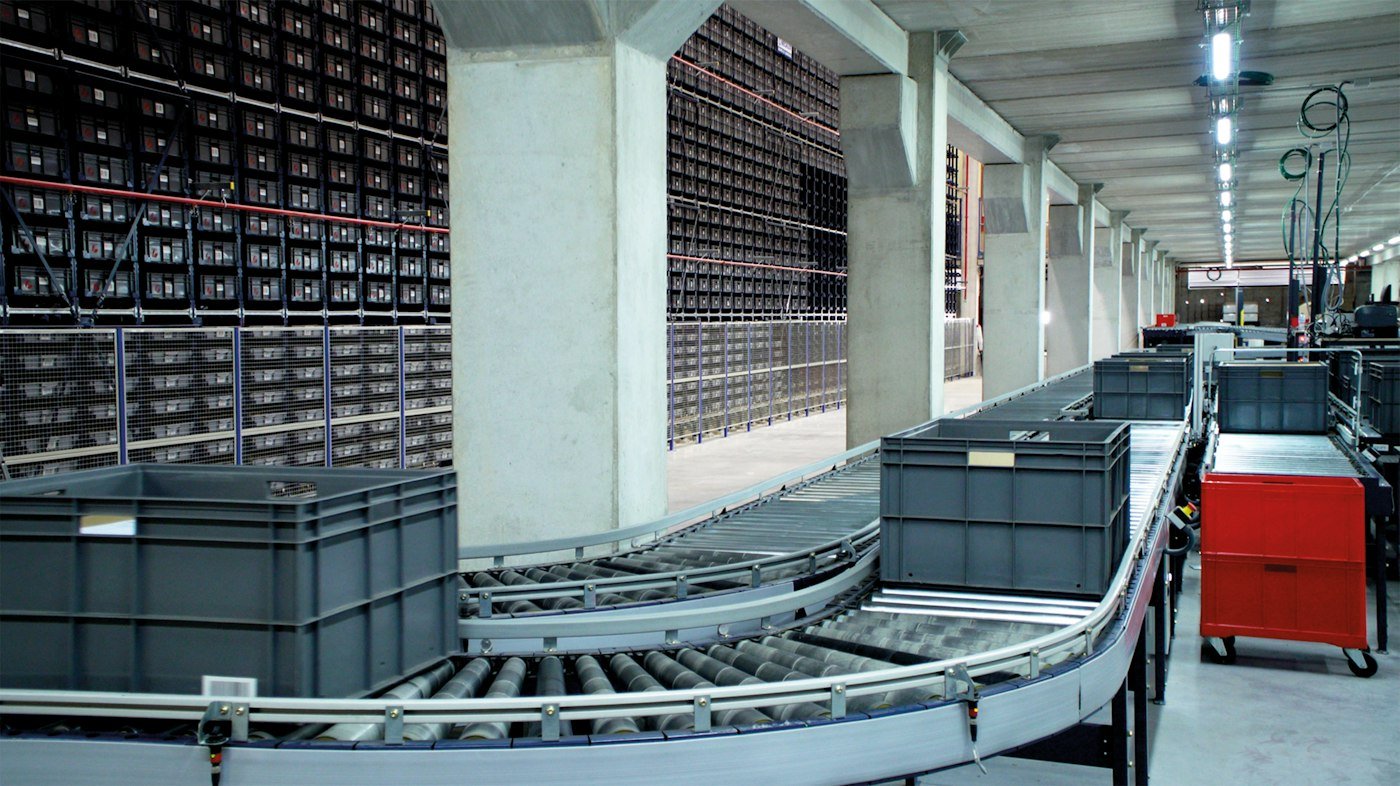
Conveyor and material handling dry ice cleaning for frames, rollers and accessible components in food, packaging, warehouse and recycling operations.
Precision Dry Ice Cleaning provides conveyor and material handling dry ice cleaning for frames, rollers and accessible components in food, packaging, warehouse and recycling operations.
Deposits removed from conveyors and handling equipment
We remove label adhesive, glue splash, grease and attached product residue from accessible rollers, guides, frames and guards. Structural buildup is separated from belts, bearings, seals and sensors with their own requirements.
Operational benefits
- Clear guides and transfer areas before adjustment and inspection.
- Clean installed structures during the maintenance stop.
- Remove deposits without a water rinse or grit around handling equipment.
Food conveyors, radial feeders and handling equipment
Conveyors, radial feeders and food weighing systems
Remove attached product residue and grease from accessible frames, guides, feeder trays and equipment support surfaces. Clean these areas before adjustment, inspection and the next production run. Load cells, sensors, belts and lubrication points retain their own protection and cleaning requirements.
Rollers/orienters, nesters and de-nesters and palletizers
Clear label adhesive, glue splash and attached product residue from accessible rollers, transfer guides and machine structures. Expose transfer points for maintenance inspection without adding wash water or spent abrasive grit.
Coordinate these handling tasks with packaging liners, baggers, labelers and glue applicators. For storage-zone handling machinery, see food storage and cold-storage equipment cleaning.
Non-toxic dry ice and eco-friendly cleaning benefits
Dry ice is a non-toxic cleaning medium. Dry ice blasting cleans with solid CO₂ and compressed air without detergents, solvents, wash water or added abrasive grit. Its environmental benefits include no chemical rinse water and no spent blasting media from the blasting step.
Food-grade dry ice is a food-safe cleaning medium used for food-processing equipment. Food-facility cleaning still follows the site’s sanitation, allergen-control and equipment-release procedures.
The dry ice turns into gas. Removed deposits still require collection, and ventilation and protective equipment remain part of the cleaning setup.
Define components for conveyor dry ice cleaning
- Rollers, return runs, guide rails, support frames, and guarding.
- Belt surfaces, subject to material, splice, and coating review.
- Accessible drive-unit exteriors, with bearings, seals, sensors, and lubrication points identified for protection.
- Transfer points and surrounding material handling equipment included in the same work window.
Conveyors and rollers appear among the maintenance applications described by Cold Jet. That general application guidance does not establish compatibility with a particular belt construction or component. Include manufacturer restrictions in the review. Define receiving, sorting and dispatch zones with the warehouse conveyor cleaning-scope guide.
Match the scope to the material being conveyed
A packaging line may need adhesive and label residue reviewed; a recycling line may have mixed deposits that need identification before handling. In food production, distinguish the cleaning objective from the facility’s sanitation and product-release requirements. A visibly clean belt is not, by itself, proof of an accepted sanitation outcome.
Identify the source of the recurring buildup as well. Cleaning can expose a condition for maintenance inspection, but it does not fix tracking, worn components, leaks, or a process that continues to deposit material.
Plan access without assuming a running conveyor
The line owner should define isolation and access arrangements. Identify who removes guards, exposes return areas, restores lubrication where applicable, reassembles components, and releases the conveyor. No cleaning plan should rely on production equipment remaining in motion without an expressly reviewed procedure.
Containment and collection need to follow the line geometry. Map nearby product, open machinery, walkways, pits, and lower levels so the work does not simply move residue to another part of the system.
Prepare a conveyor dry ice cleaning quote request
- Line layout, approximate length, component photos, and deposit close-ups.
- Belt material, exposed sensitive components, and access height.
- Cleaning boundaries and the inspection required at handback.
- Available maintenance window and responsibilities for opening and restoring the equipment.
Send the conveyor scope to Precision. For a planned line stop, use the shutdown planner to separate cleaning time from access and production-release tasks.
LET’S LOOK AT YOUR PROJECT
Need dry ice
cleaning?
Call for dry ice cleaning services in NJ, NY, PA, or DE. Tell us what needs cleaning and when you need the work done.
NY · NJ · PA · DE / Businesses and private owners