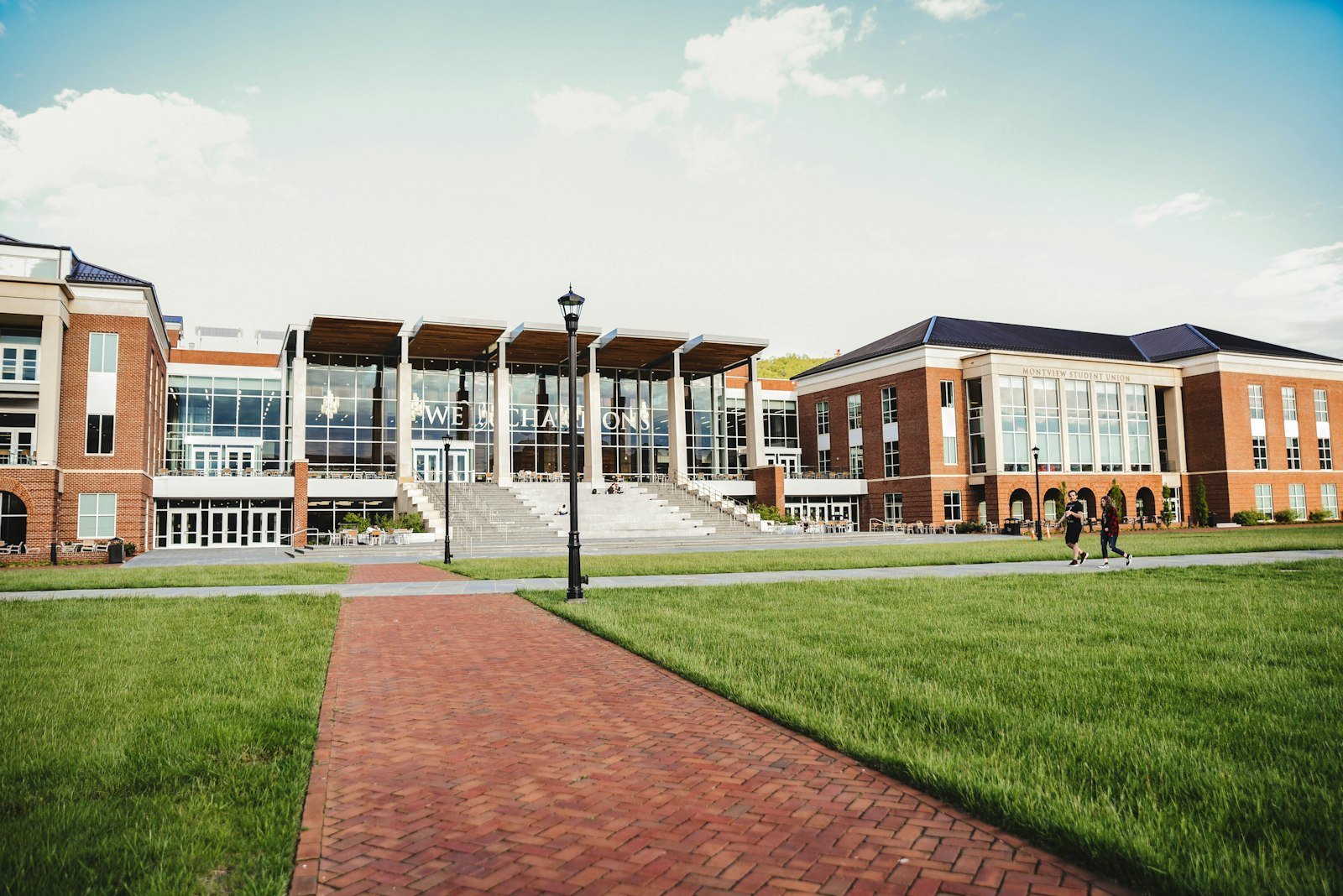
INDUSTRY FOCUS
Educational Facilities Dry Ice Cleaning
Clean campus equipment, kitchen machinery, mechanical rooms and entrance surfaces during school breaks and planned maintenance windows.
Educational facilities cleaning with dry ice blasting
Our educational facilities cleaning service uses dry ice blasting to remove grease, oil, adhesive, chewing gum and accumulated grime from campus equipment and surfaces. We work with school districts, private schools, colleges, universities and technical training facilities across New Jersey, New York, Pennsylvania and Delaware.
Campus maintenance covers very different environments. A cafeteria oven, a workshop machine and an entrance walkway need different work instructions. We organize each project around the assets being cleaned and the campus schedule, giving facilities teams a defined equipment list and cleaning area.
Deposits removed from school and campus equipment
We remove baked-on food residue and grease from cafeteria equipment, oil and production buildup from workshop machinery, and adhesive, gum and grime from specified campus surfaces. Each department’s assets have their own cleaning boundaries.
Operational benefits
- Combine cafeteria, workshop and mechanical-equipment tasks in a coordinated visit.
- Expose machine frames and accessible components for maintenance inspection.
- Schedule work during school breaks or closures without adding wash water or blasting grit.
Non-toxic dry ice and eco-friendly cleaning benefits
Dry ice is a non-toxic cleaning medium. Dry ice blasting cleans with solid CO₂ and compressed air without detergents, solvents, wash water or added abrasive grit. Its environmental benefits include no chemical rinse water and no spent blasting media from the blasting step.
Food-grade dry ice is a food-safe cleaning medium used for food-processing equipment. Food-facility cleaning still follows the site’s sanitation, allergen-control and equipment-release procedures.
The dry ice turns into gas. Removed deposits still require collection, and ventilation and protective equipment remain part of the cleaning setup.
Campus cleaning services
- Dining and cafeteria equipment: ovens, equipment exteriors, handling components and grease buildup. See commercial kitchen equipment cleaning.
- Mechanical and utility spaces: accessible motor housings, fan assemblies, pipe exteriors and equipment frames.
- Teaching workshops and technical labs: machine frames, guards, fixtures and tooling with oil, grease or production residue.
- Athletic facilities: equipment frames and accessible components with grime and adhesive deposits. See gym equipment cleaning.
- Entrances and campus circulation areas: chewing gum removal from agreed walkway and floor surfaces. See commercial chewing gum removal.
- Loading and maintenance areas: handling equipment, door hardware and workshop assets.
Schedule educational facilities cleaning during school breaks
Summer breaks, winter breaks and scheduled closures create opportunities to clean equipment that is difficult to take out of service during the term. A phased project can also cover separate buildings or departments on different dates.
We coordinate the order of work with facilities staff, kitchen managers and the contractors responsible for mechanical equipment. Build the schedule around access, equipment isolation, cleaning, residue collection and the inspection needed before the area reopens.
For an occupied campus, separate the cleaning zone from students, staff and visitors. Plan noise, ventilation, access routes and nearby activities before the visit. A closed classroom does not mean the adjoining corridor, kitchen or mechanical space is available.
Targeted cleaning without wash water
Dry ice blasting removes deposits without adding water or abrasive grit. It provides targeted cleaning for detailed equipment surfaces and stubborn buildup that routine wiping leaves behind. The dry ice turns into gas; the removed material is collected as part of the cleaning work.
The service focuses on equipment and deposit removal. Daily housekeeping, food-service sanitation and required disinfection remain part of the school’s established cleaning program. Kitchen equipment returns to use through the campus food-service team’s sanitation and inspection procedures.
Practical project requirements
Provide asset photos, the building and room locations, and the deposits to remove. Identify finishes that must remain intact, sensitive components and equipment that needs a service contractor to open or isolate it. Electrical equipment is cleaned de-energized under the agreed isolation procedures.
For architectural surfaces, establish the finish to preserve and address any hazardous coating concerns before surface work begins.
School and campus cleaning questions
Can several departments share one cleaning visit?
Yes. Combine kitchen, maintenance and athletic equipment in one asset list, with locations and priorities for each department. The final work sequence follows access and the available closure window.
Can the work be scheduled during a school break?
Yes. Share the dates when buildings and equipment will be available, including summer programs, events and contractor work that affect access.
Request educational facilities cleaning for your campus
Send your campus location, asset list, photos and preferred dates. Request an educational facilities cleaning quote or call 917-695-9595.
Use our guide to planning school and campus equipment cleaning during breaks to prepare the work list.
Process reference: Application reference.
LET’S LOOK AT YOUR PROJECT
Need dry ice
cleaning?
Call for dry ice cleaning services in NJ, NY, PA, or DE. Tell us what needs cleaning and when you need the work done.
NY · NJ · PA · DE / Businesses and private owners