Planning School and Campus Equipment Cleaning During Breaks
Published
Turn a school break into an organized equipment cleaning window with department priorities, access arrangements and clear reopening responsibilities.
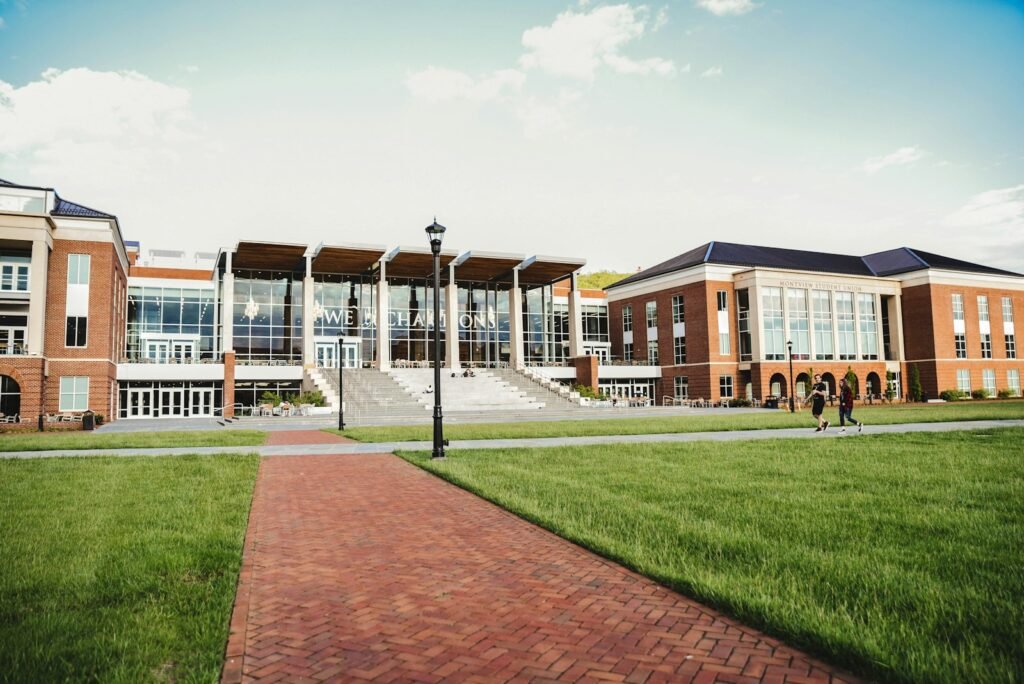
School equipment cleaning during breaks starts with an equipment list, building access and reopening steps agreed before the closure. Cafeterias, mechanical rooms, workshops and athletic facilities need their own work instructions, even when they share the same contractor visit.
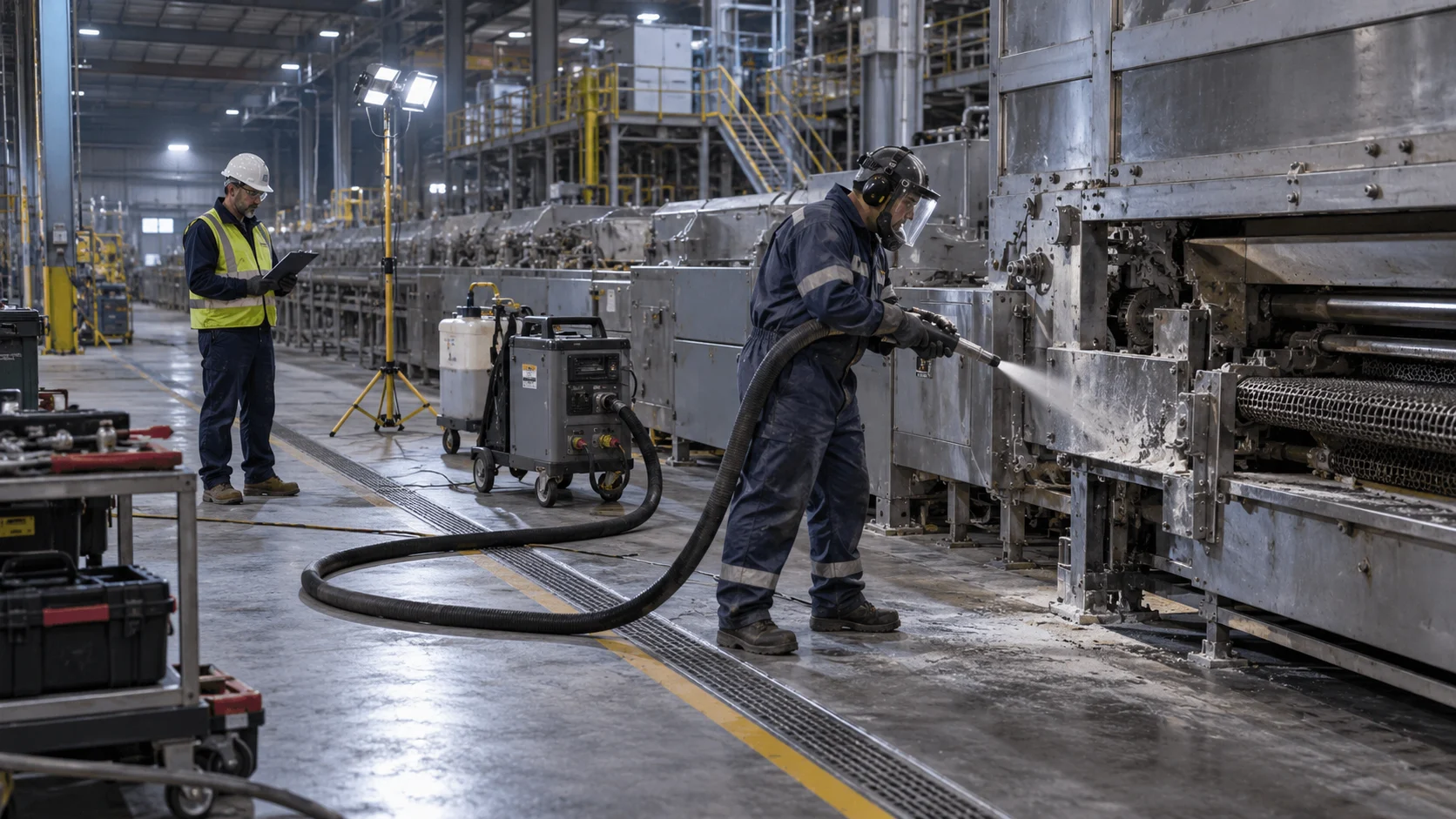
Our educational facilities dry ice cleaning service removes deposits from campus equipment and agreed surfaces. Use this guide to organize the visit around the school calendar and the people responsible for each area. For cafeteria equipment, assign cleaning, sanitation and reopening duties with the kitchen maintenance handoff guide.
1. Build the school equipment cleaning list by department
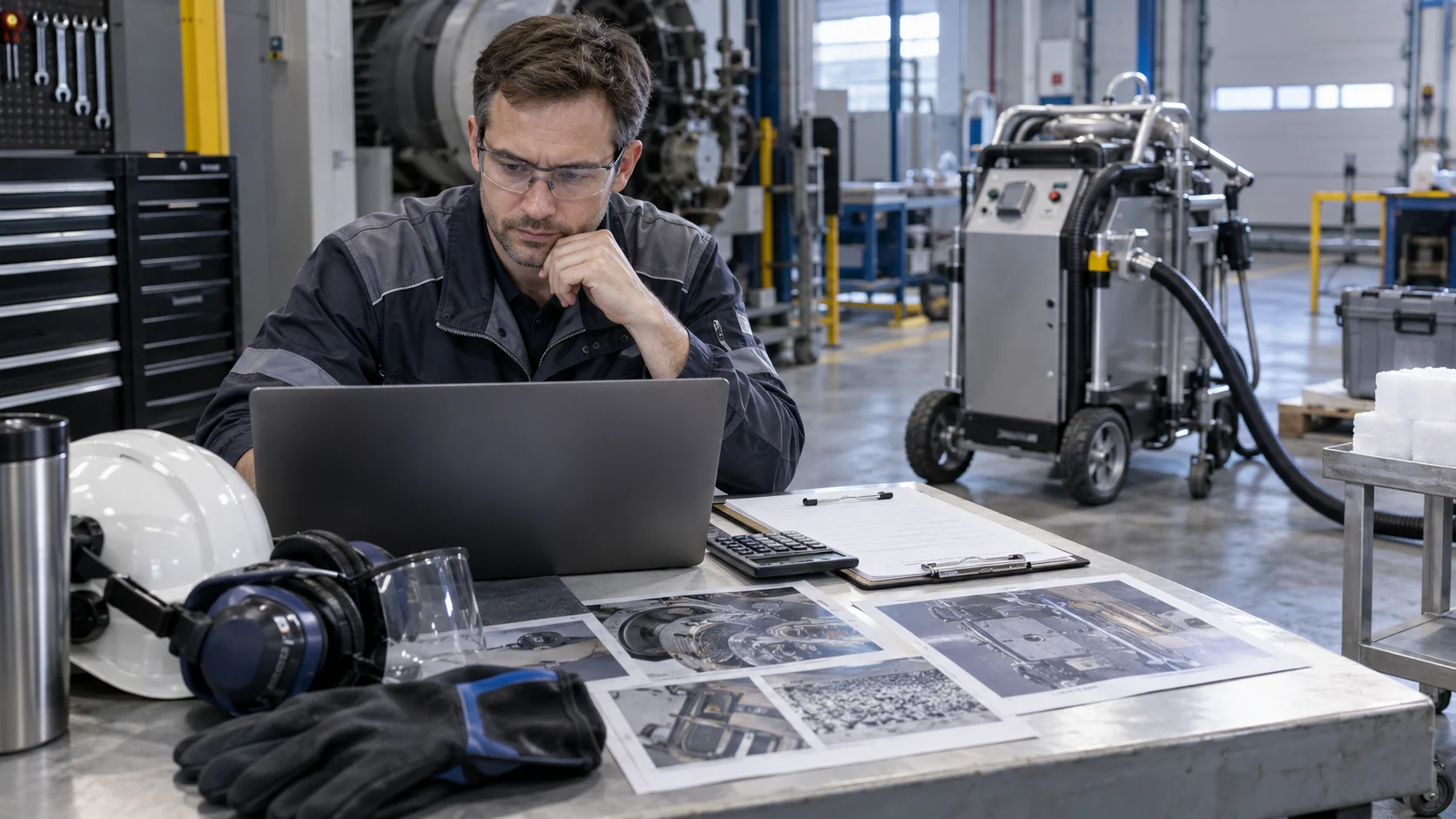
Request an equipment list rather than a broad instruction such as “clean the kitchen” or “clean the gym.” Identify the asset, its location and the buildup to remove. Photos help show the access and the amount of residue without requiring every department to describe the cleaning method.
- Food service: ovens, handling components and equipment exteriors with grease or baked-on deposits.
- Facilities: motor housings, fan assemblies, pipe exteriors and mechanical equipment frames.
- Technical programs: workshop machinery, guards, fixtures and tooling.
- Athletics: equipment frames and accessible components with grime or adhesive residue.
- Grounds and entrances: areas with chewing gum, mapped by walkway or floor section.
Link specialist tasks to the right scope: kitchen equipment cleaning, gym equipment cleaning or chewing gum removal.
2. Confirm which spaces are actually available
Check summer programs, athletic practices, dining service, admissions events and other contractors before assigning dates. A school may be on break while several buildings remain occupied.
Record the earliest access time and the latest completion time for each location. Include badge or escort arrangements, loading access, keys and the facilities contact who can resolve an access issue on the day.
Organize the work by building where possible. Moving between several distant rooms consumes part of the same maintenance window that cleaning, cleanup and inspection need.
3. Coordinate isolation and contractor access
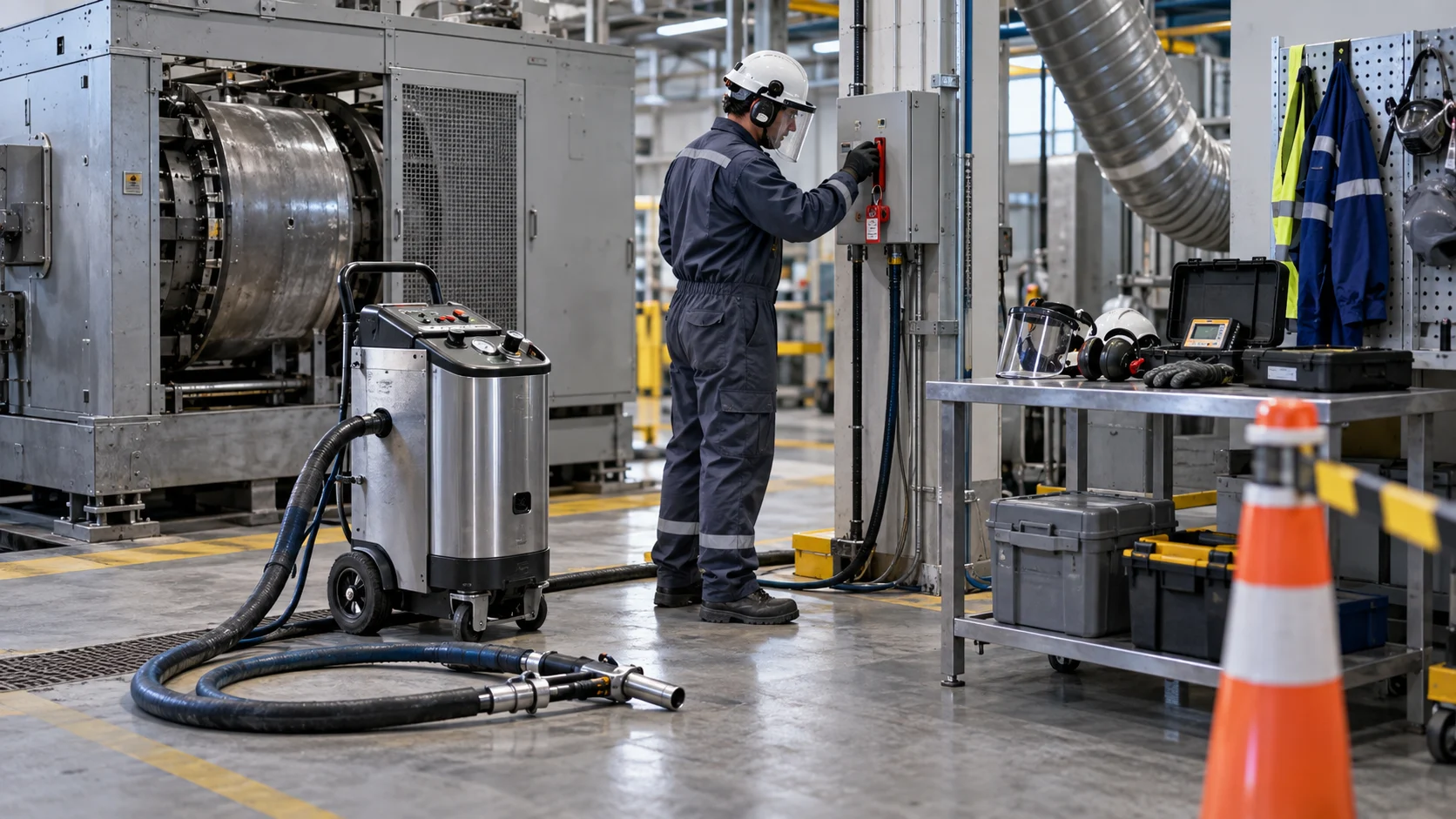
Identify equipment that requires a campus electrician, kitchen service company or mechanical contractor to isolate it or open it for cleaning. Assign those steps before the cleaning date. Electrical equipment is cleaned de-energized under the agreed isolation procedure.
Provide equipment instructions and identify sensitive components, finishes and parts that must remain protected. For architectural surfaces, resolve hazardous coating concerns before any deposit-removal work begins.
4. Separate the cleaning zone from campus activity
Plan the boundary around the work, including nearby corridors and occupied rooms. Noise, ventilation, residue collection and access routes all affect the space that needs to be controlled.
Dry ice becomes CO₂ gas during cleaning. The facility and cleaning contractor need a ventilation and monitoring plan for enclosed work areas. Put these arrangements in the job instructions alongside pedestrian separation and hearing protection.
Avoid reopening an entrance halfway through a surface-cleaning task. Set a temporary route, complete the agreed section, collect the residue and inspect it before handing it back.
5. Complete school equipment cleaning with a reopening checklist
Use a short handoff that states which assets were cleaned, whether any agreed items remain outstanding, and who completes the next maintenance or sanitation step. Kitchen equipment must follow the food-service team’s sanitation and inspection procedures before use.
Gym equipment and workshop machines return through the responsible department’s inspection and operating checks. Deposit removal does not replace routine disinfection, maintenance or daily housekeeping.
Information to include in the quote request
- Campus address, buildings and room locations.
- Equipment photos and the deposits to remove.
- Department priorities and available break dates.
- Isolation, contractor and access arrangements.
- Occupied areas, noise restrictions and reopening deadlines.
- The facilities coordinator and department handoff contacts.
Send the list through our project quote form or call 917-695-9595. We provide on-site dry ice cleaning for educational facilities in NJ, NY, PA and DE.
Technical references
See Cold Jet’s facility maintenance applications for equipment examples and OSHA’s carbon dioxide information for exposure information. Site controls follow the school’s work procedures and the actual cleaning area.