Planning Food Storage and Cold Storage Equipment Cleaning
Published
Build a cleaning work list for storage conveyors, refrigeration support equipment and loading areas, with product protection and a clear sanitation handoff.
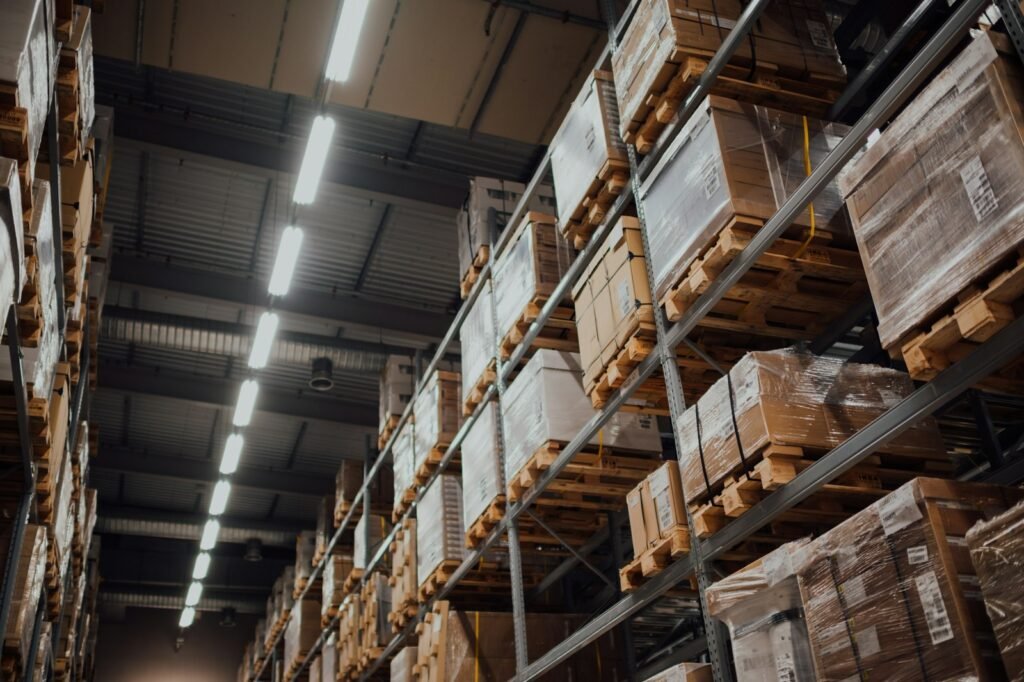
A cold storage cleaning plan names the equipment, the deposits and the point at which each area can return to service. Start with the maintenance task you need to complete, then arrange product movement, access and sanitation around it.
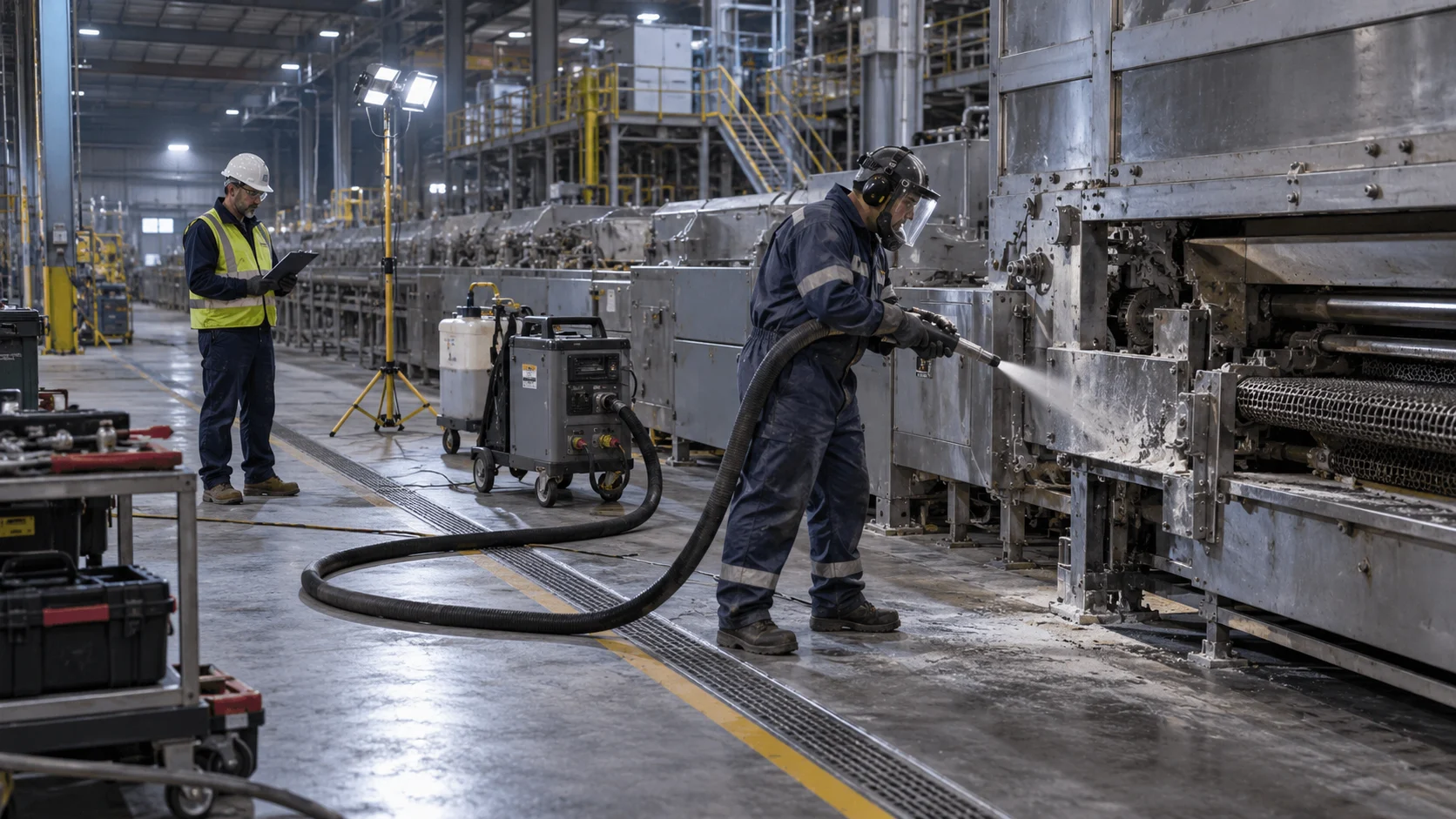
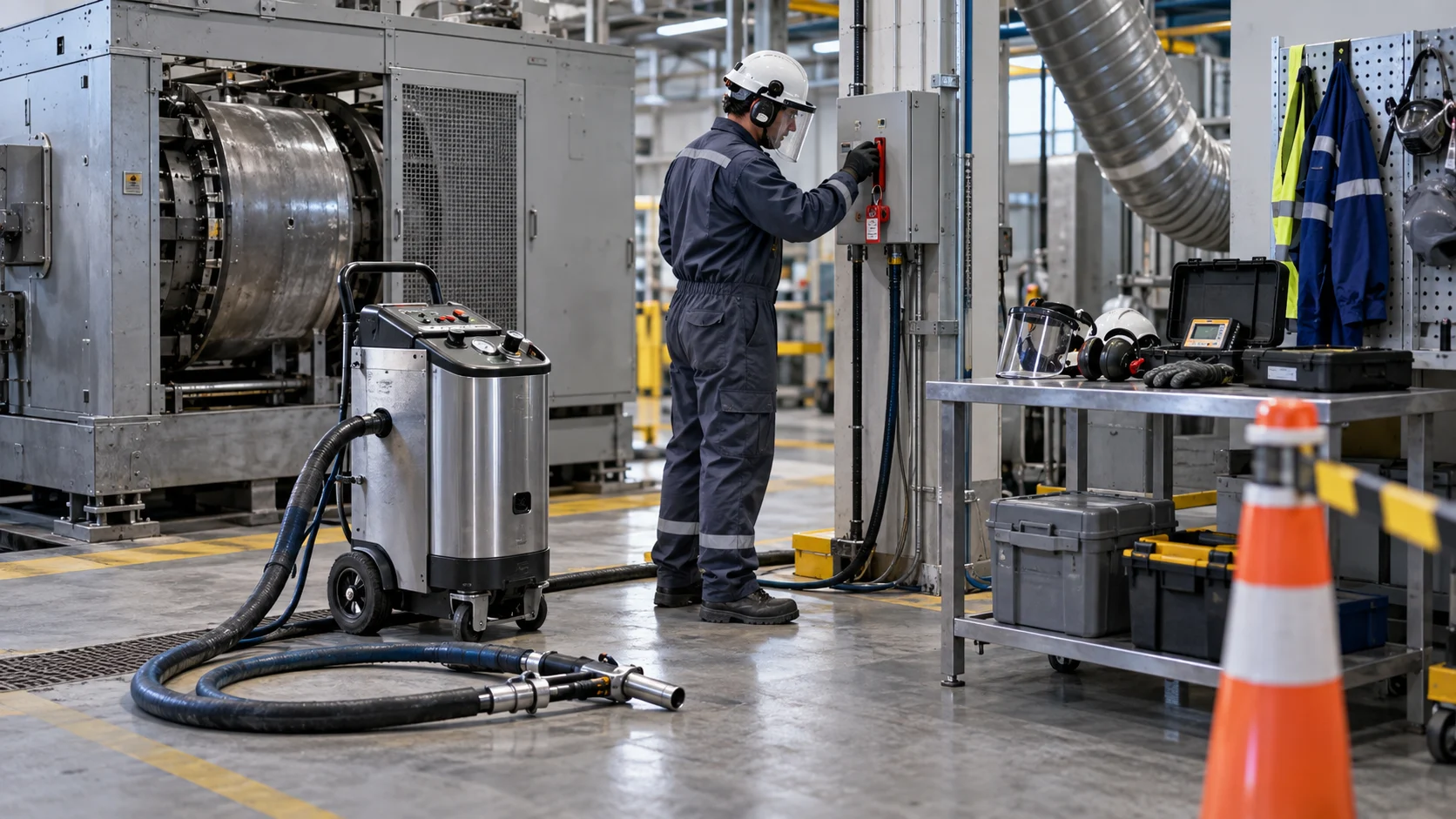
Our food storage and cold storage dry ice cleaning service covers conveyors, handling equipment, refrigeration support equipment and storage infrastructure. This guide helps facility managers prepare a work list for one zone or an organized visit across several areas.
1. Build the cold storage cleaning plan by zone
Use the names your maintenance team uses on site. Identify each conveyor, dock station, fan assembly, handling asset or rack section by building, room and equipment number. Add clear photos of the full asset and close-ups of the buildup.
- Location: dry storage, chilled room, freezer, dispatch area or packaging station.
- Deposit: grease, oil, adhesive, packaging residue or accumulated grime.
- Access: guards to open, nearby stock to move, working height and available clearance.
- Priority: inspection, repair access, recurring maintenance or a larger shutdown task.
- Boundary: the surfaces included and any sensitive components or finishes to protect.
Keep food-contact surfaces identifiable in the list. Their approved cleaning and sanitation instructions need to travel with the equipment scope rather than being inferred from a general warehouse cleaning description.
2. Separate product movement from the cleaning task
Decide which food, packaging and portable equipment will be moved and which items will be protected outside the work zone. Assign a facility contact to confirm that clearance before cleaning starts.
Plan the route for waste removal and the route for goods separately. Include adjacent conveyors and pedestrian traffic when setting the boundary; a clear patch around one machine is not enough if the next line continues to move exposed product through it.
3. Schedule cold rooms with the refrigeration team
Record the operating temperature, access doors and refrigeration service arrangements. The schedule should show when equipment is isolated, when the cleaning area is available and when inspection and restart take place.
Work in an enclosed storage area also needs a ventilation and CO₂ control plan. Dry ice becomes carbon dioxide gas, so the plan must account for the actual work area and the people using it. Coordinate those controls with the facility’s safety contact; do not treat refrigeration airflow as proof of adequate ventilation.
For wider equipment work, connect the visit to planned shutdown cleaning or a recurring maintenance program.
4. Include residue collection in the work instructions
Dry ice blasting adds no wash water or spent abrasive grit. It still removes physical material from the equipment. Name the collection method, cleanup boundary, waste location and person responsible for final area inspection.
For adhesive or greasy deposits, the collection plan should cover surfaces below and beside the asset. Include the cleanup in the maintenance window rather than scheduling it after the zone has already reopened.
5. Define the sanitation and release handoff
For food operations covered by 21 CFR 117.35, cleaning must protect against contamination and allergen cross-contact. Deposit removal belongs within the facility’s hygiene procedures, including the requirements for food-contact and non-food-contact surfaces.
List any required sanitizing, allergen verification and inspection after equipment cleaning. Name the person who authorizes the return to use. The contractor finishing deposit removal and the facility releasing the equipment are separate handoff points.
Turn your cold storage cleaning plan into a work order
- Facility address, storage zones and equipment list.
- Full-view and close-up photos, with the target deposits identified.
- Cleaning dates, available hours and refrigeration or contractor dependencies.
- Product-clearance instructions, isolation arrangements and room access.
- Residue collection, sanitation requirements and the release contact.
Send that information through our quote request form or call 917-695-9595. Precision Dry Ice Cleaning serves food storage facilities across NJ, NY, PA and DE.