Coordinating Frozen Food Cleaning With Refrigeration Maintenance
Published · Updated
Coordinate frozen food equipment cleaning with refrigeration work, product protection, temperature requirements, inspection and release.
A frozen food cleaning schedule should identify production machinery and refrigeration support equipment separately, then coordinate their availability. The plan needs asset numbers, product protection, temperature requirements and a named handoff for each area.
Assets on the frozen food cleaning schedule
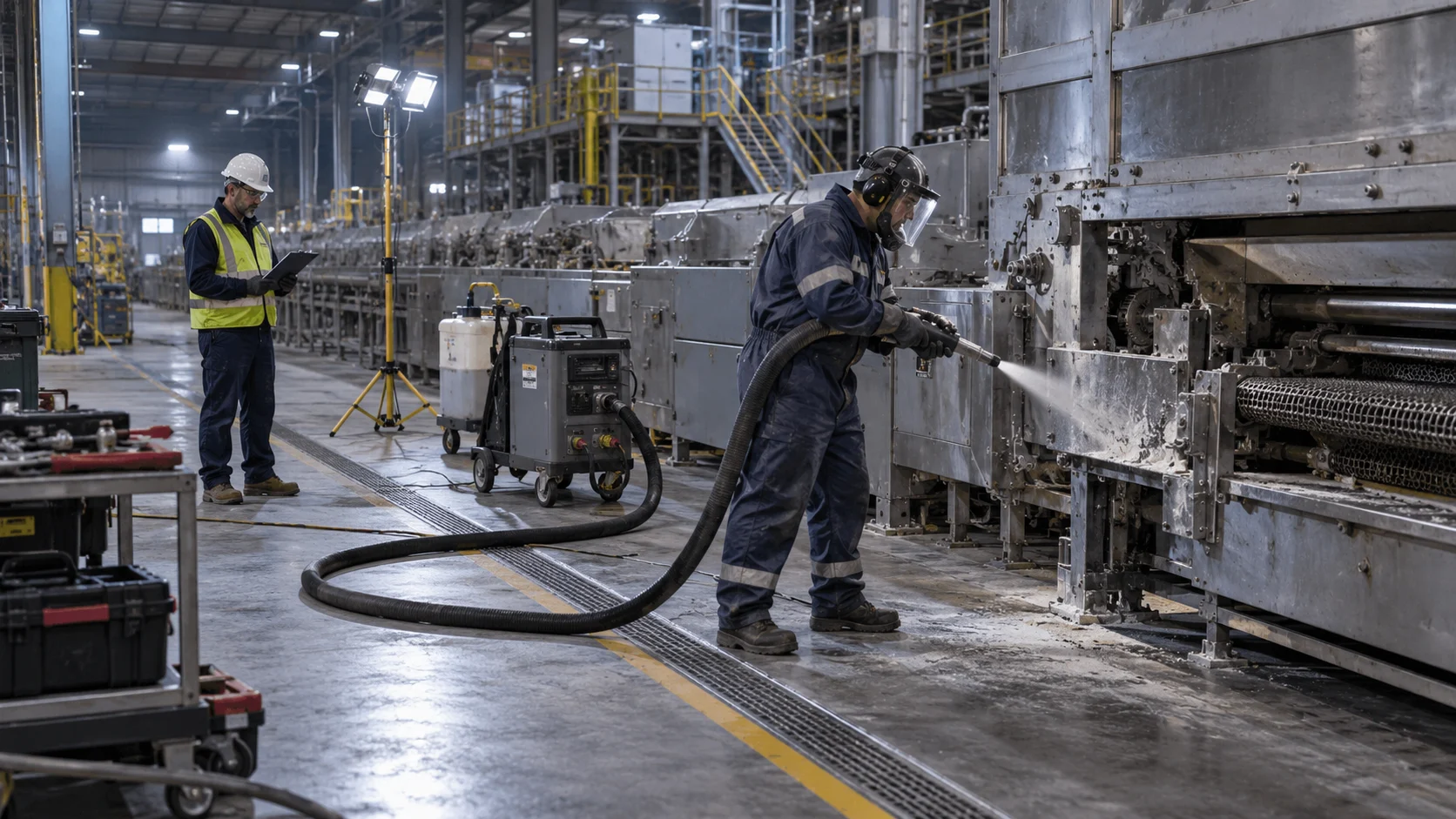
Production tasks may include exposed mixing or forming equipment, conveyor structures and packaging machinery. Support tasks may include accessible fans / man fans, evaporator fan assemblies, guards and housings. Fans move air and can accumulate airborne particles. Coil and fin cleaning follows the refrigeration manufacturer’s instructions and the contractor’s own work scope.
Work-area arrangements on the frozen food cleaning schedule
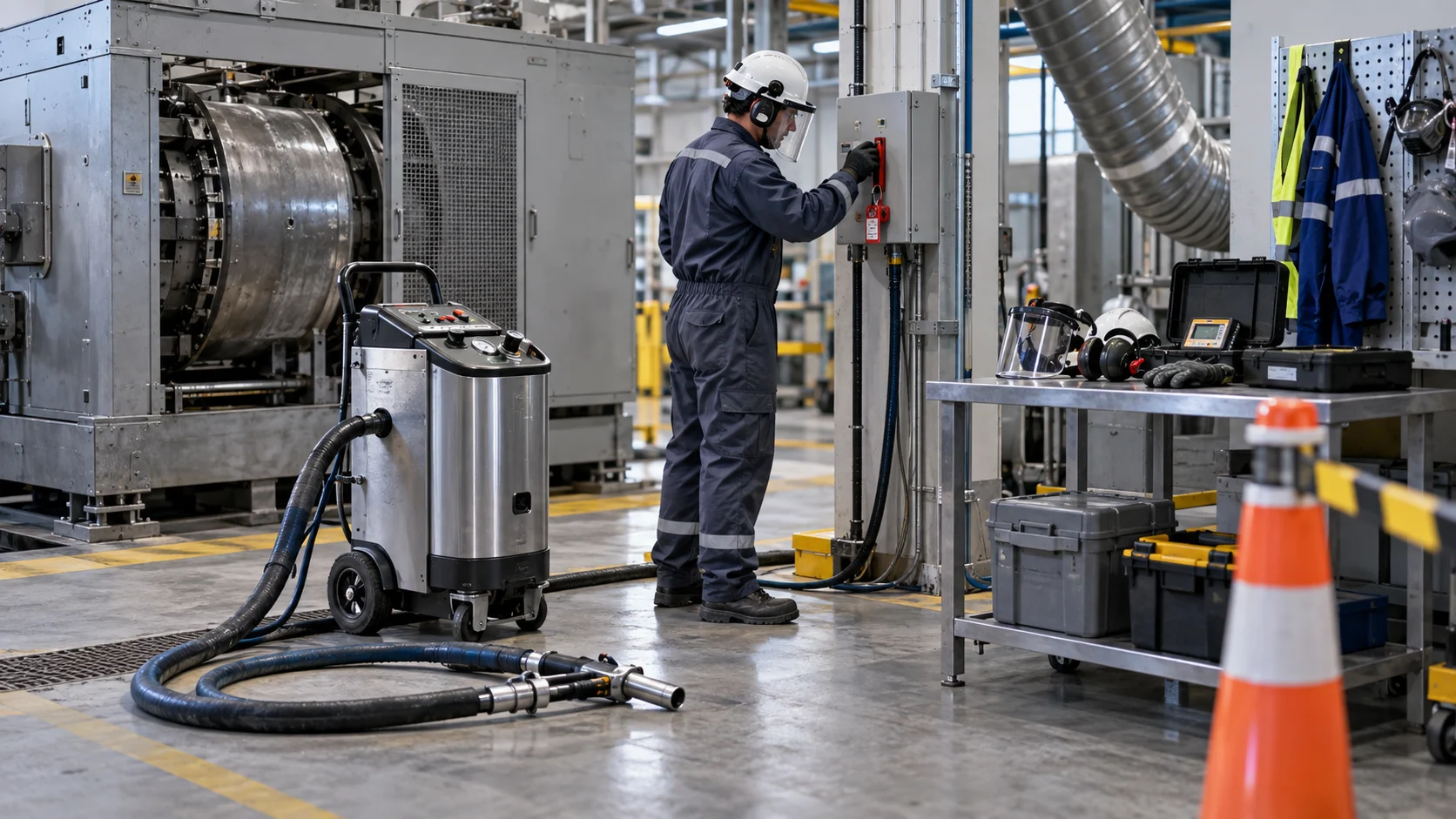
The facility defines product relocation, door-opening arrangements and temperature management. Maintenance identifies isolated equipment and the openings needed for cleaning. Record ventilation and CO₂ controls for the work area. Put residue collection and the route out of each area into the schedule so the cleaning handoff is complete.
Leave room for inspection and restart
Refrigeration maintenance, machinery reassembly, sanitation and release checks each need an owner. Sequence the deposit-removal tasks around those activities. Record equipment completed and any remaining work by area. A single broad restart time is less useful than clear completion points for the production line and cold-storage support assets.
Equipment and handoff map
| Station or step | Cleaning focus | Next responsibility |
|---|---|---|
| Production machinery | Specified attached product deposits | Maintenance and sanitation |
| Air-moving equipment | Attached dust and production grime | Refrigeration or facilities team |
| Cold-storage work area | Product and temperature arrangements | Facility’s responsible team |
Prepare the cleaning visit
- Asset and work-area list
- Product relocation and temperature requirements
- Refrigeration contractor coordination
- Ventilation, collection and release responsibilities
Dry-ice cleaning introduces no wash water during blasting, but temperature management and refrigeration condition remain facility responsibilities. Use the cleaning schedule to show how deposit removal, contractor work and plant verification connect before equipment returns to service.
Build the refrigeration work window
Give the refrigeration contractor and production lead separate rows on the shutdown planner. Record when each room becomes available, who takes control after cleaning, and when product can return. Use the frozen food conveyor and packaging guide for the production side of the schedule.
For frozen food equipment cleaning, send the room-by-room schedule with asset IDs, photos and the time each area must be handed back.
Separate production equipment work from the refrigeration contractor’s tasks. Assign a release time to each packaging station. The quality team can consult the agency references for food production while preparing its release checklist.
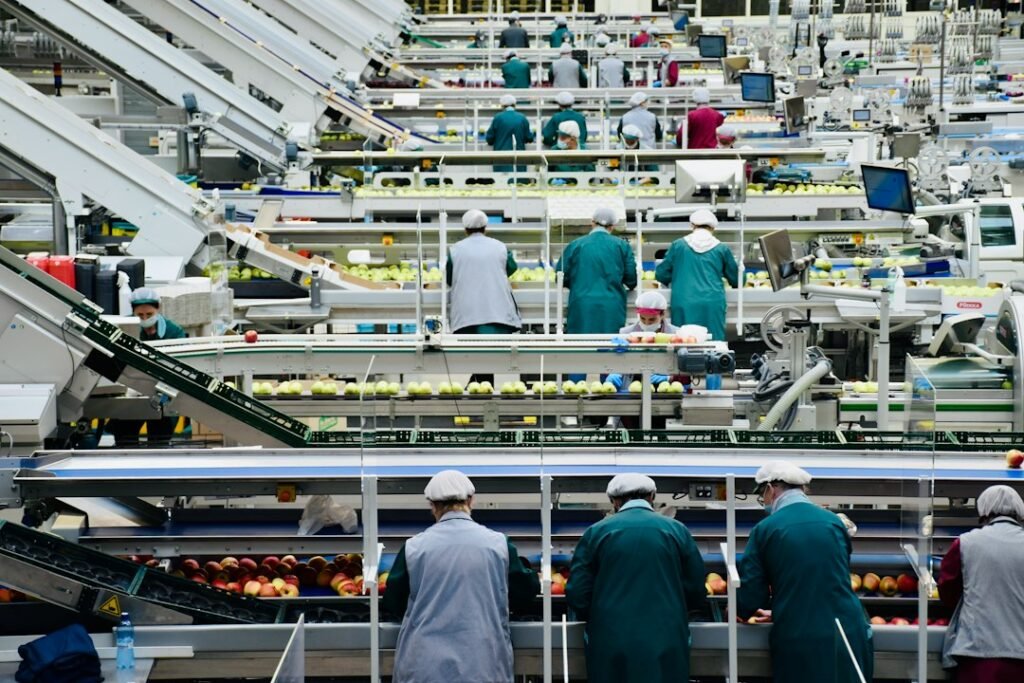
Industry reference image. Photo by Arno Senoner.