Planning Engine Bay Cleaning Before a Leak Inspection
Published · Updated
Coordinate engine bay cleaning with a technician's inspection plan, surface boundaries, and follow-up documentation.
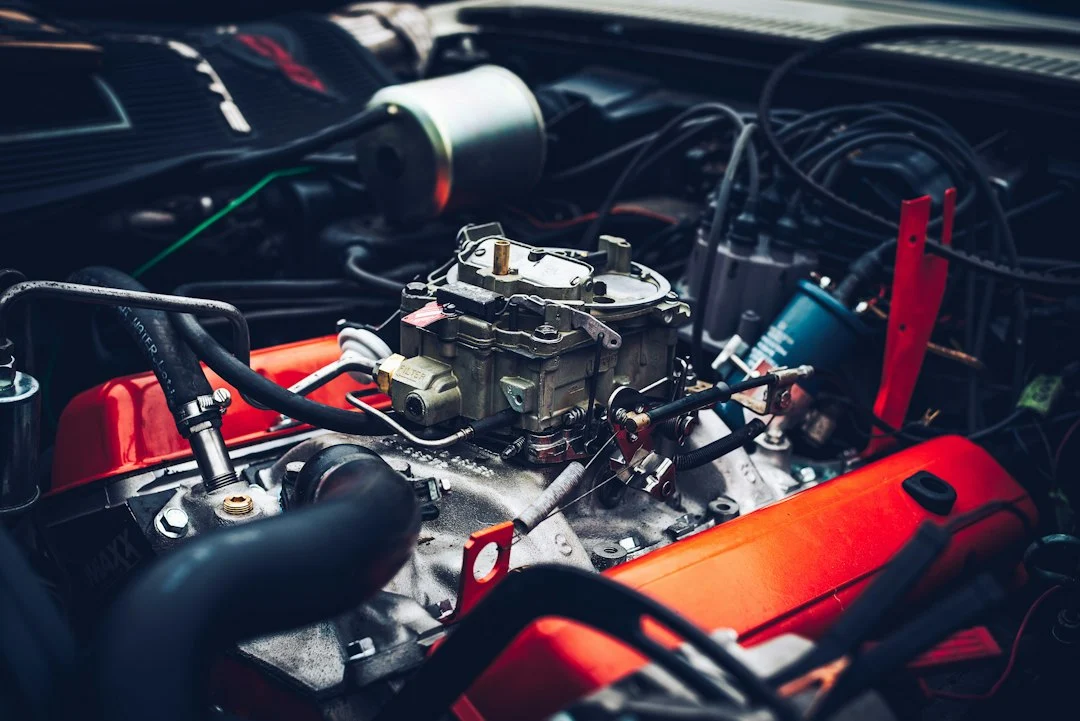
Engine bay cleaning for leak inspection works best as a clearly defined preparation task within a technician’s diagnostic plan. Identify the area that needs a clearer view and arrange the inspection that follows.
Cleaning alone does not identify the source of a leak or repair it. The practical objective is to agree on which selected surfaces need attention before the responsible technician continues the assessment. Our engine bay dry ice cleaning page explains the application review.
Define engine bay cleaning for leak inspection with the technician
Ask the technician which areas need to be exposed and what information should be recorded before cleaning. Existing residue patterns may be relevant to the assessment, so coordinate the timing before changing their appearance.
Provide the vehicle details and the observed concern. Use factual descriptions of what you can see rather than diagnosing a failed component from a photograph.
Mark the proposed cleaning areas on an image. A request focused on one accessible region should not silently become a full engine-compartment restoration task.
Record conditions before engine bay cleaning for leak inspection
Take wider photographs of the compartment and closer images of the selected areas. Include the condition of coatings, labels, connectors, wiring, hoses, and other nearby features.
Describe known repairs or modifications that affect the proposed work. If a component is damaged or its condition is uncertain, flag it for the technician.
Keep this information with the project record. It helps distinguish the original condition, the agreed cleaning task, and findings made during the later inspection.
Set surface limits for engine bay cleaning for leak inspection
Identify finishes, markings, and materials that should be retained. Provide vehicle-maker requirements or technician instructions relevant to the selected area.
Do not assume that a process described as dry makes every component suitable for treatment. The actual surface condition, access, and equipment requirements still need review.
Agree on exclusions and stopping points before a trial. If the task exposes an issue outside the original boundary, pause for a decision from the responsible person.
Test the selected deposit and surface combination
Choose a representative area with the material you want removed and the finish you want preserved. Photograph it before and after the trial.
Evaluate the result against the defined objective. For an inspection preparation task, the question is whether the agreed surface is sufficiently exposed for the technician’s next step.
Record remaining residue and any area that could not be accessed. A trial should clarify the scope, not create an assumption that every part of the engine bay will respond the same way.
Arrange the follow-up inspection
Plan the handoff before the cleaning visit. Identify who receives the vehicle, what areas were cleaned, and what observations the technician needs.
The technician should determine the appropriate diagnostic procedure and whether any further operation or testing is suitable. Keep that decision separate from the cleaning completion record.
If the inspection leads to repair work, retain the cleaning photographs as part of the sequence. They can help explain which surfaces were addressed without turning a cleaning record into a repair guarantee.
Include nearby areas only when they support the objective
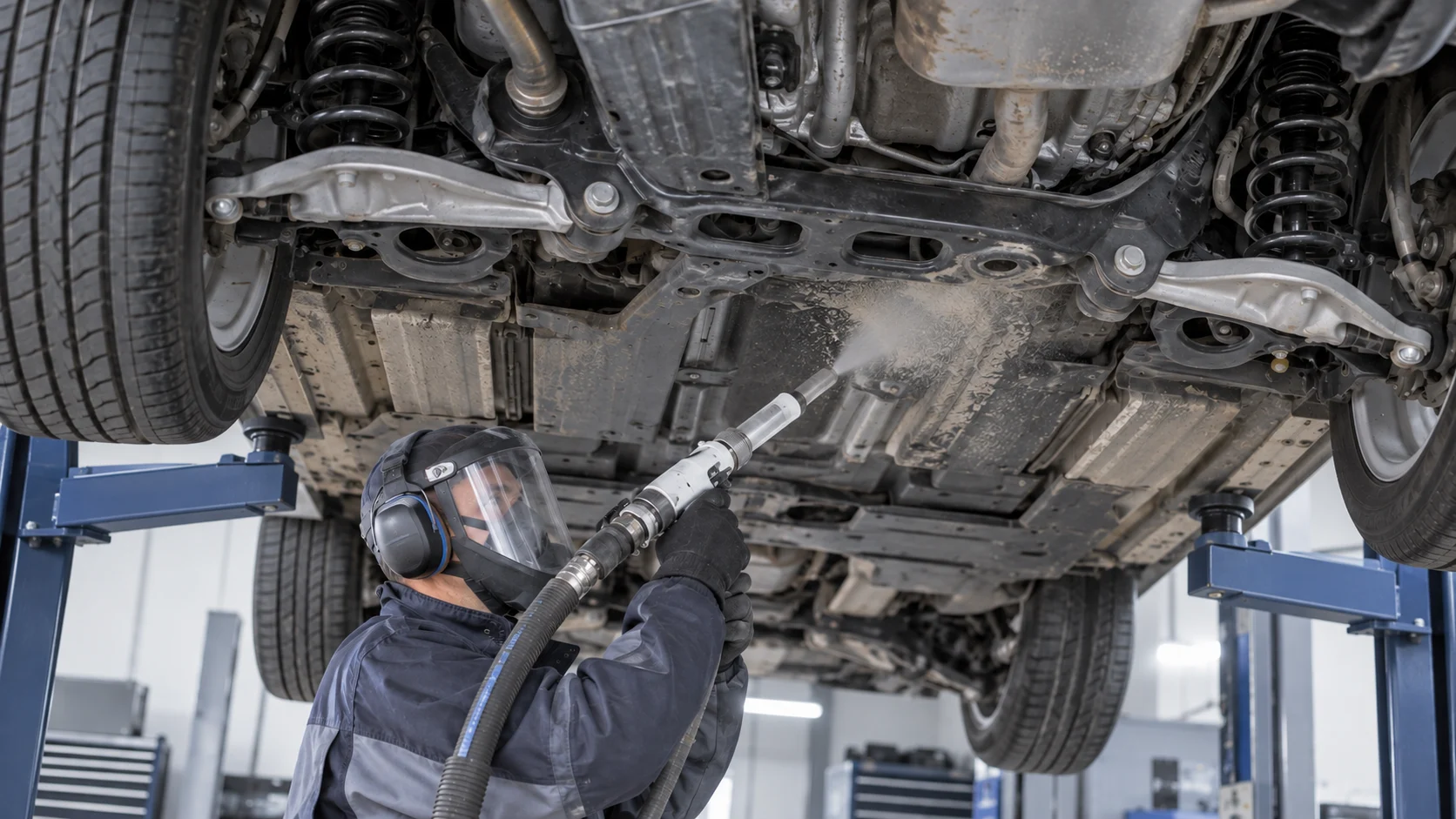
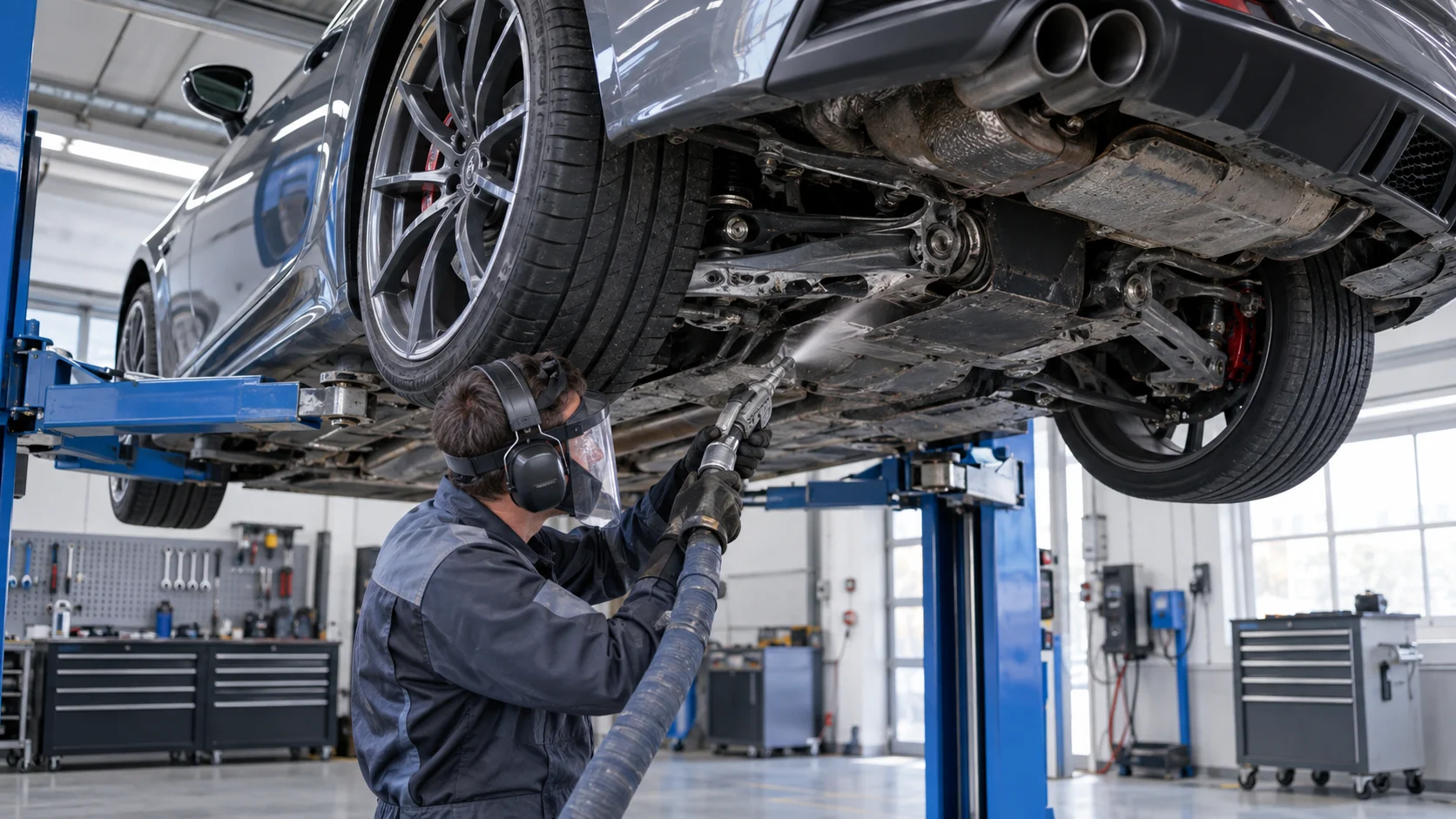
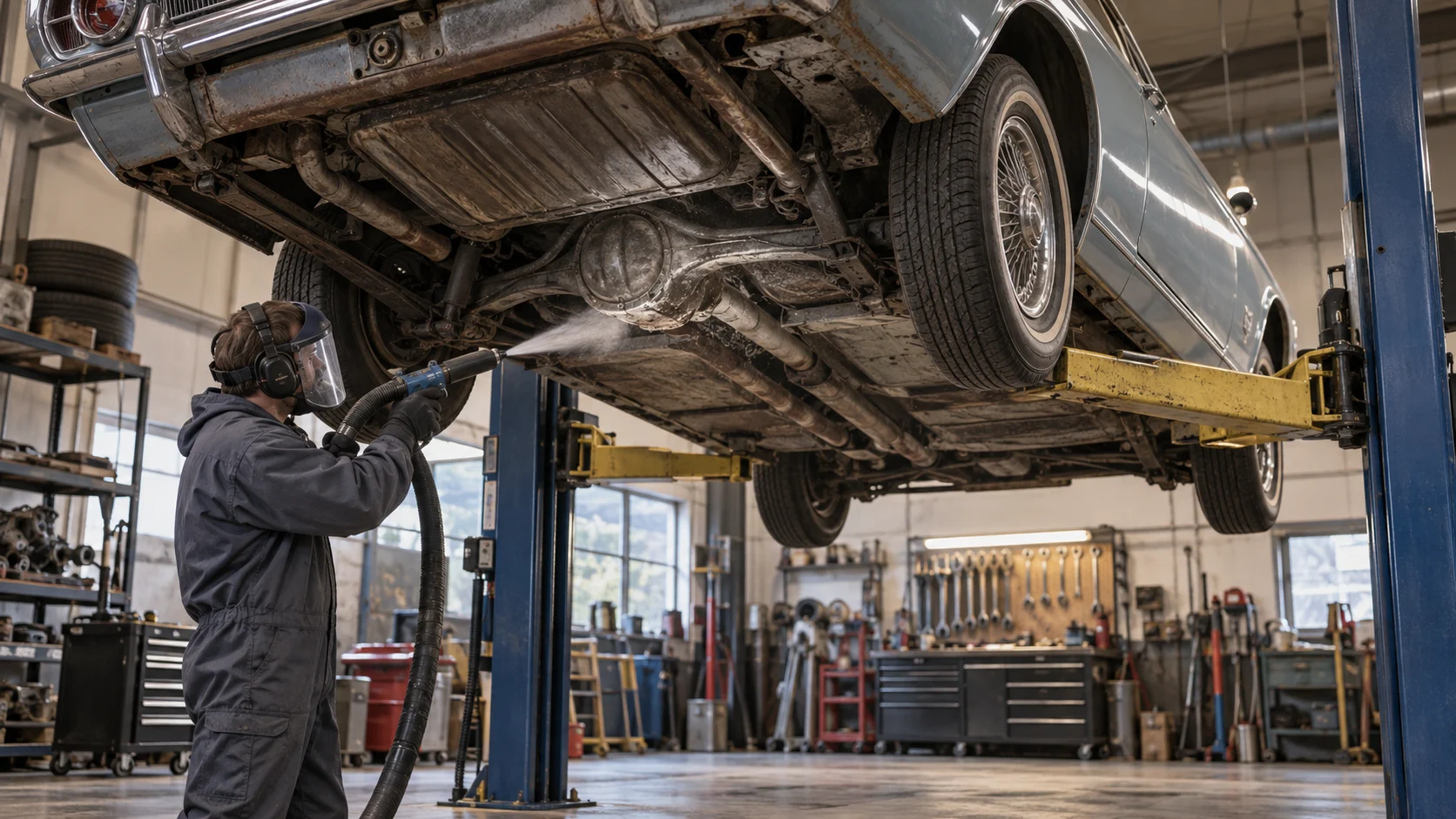
A separate underbody deposit may be relevant to the same inspection, but it needs its own access and surface review. Use dry ice undercarriage cleaning to define that part of the project.
For presentation or preservation goals beyond the diagnostic task, see automotive dry ice cleaning. State those priorities separately so the quote reflects both the work and the desired result.
Send a focused inquiry
Include the vehicle details, location, photographs, technician’s requested areas, and preferred timing. Identify materials that must remain and any known concerns.
Use the Project Brief Builder to organize the engine-bay cleaning objective, selected areas, and timing before discussing the work with your technician.
Engine bay cleaning for leak inspection is easiest to review when the cleaning boundary and the next diagnostic step are already clear. Request a project review with that information so the proposed application can be evaluated before a visit is scheduled.