Planning Batch Cleaning for Wheelchairs and Mobility Equipment
Published · Updated
Organize mobility equipment batch cleaning by model, surface, condition, preparation, and subsequent reconditioning steps.
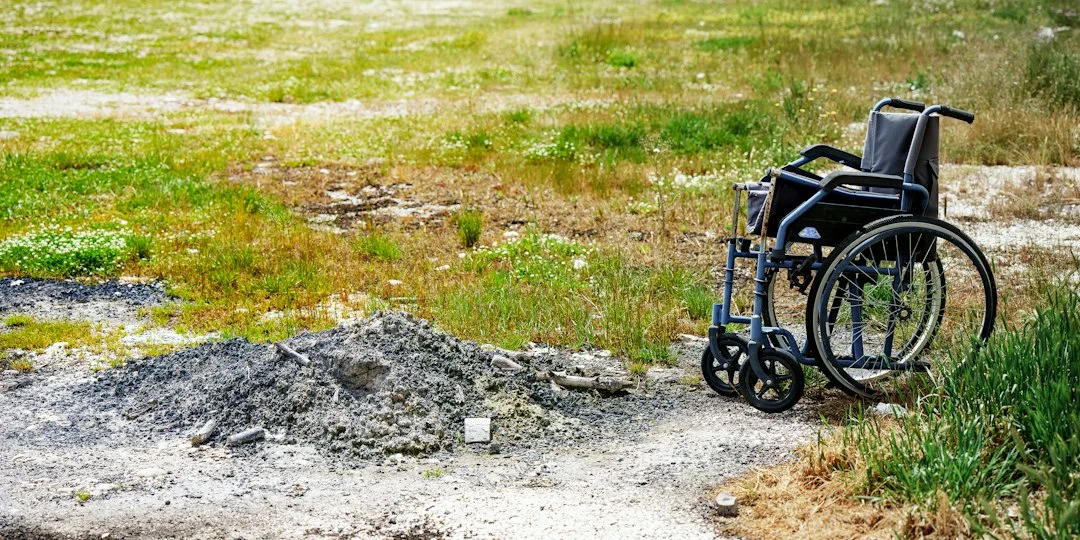
Mobility equipment batch cleaning should begin with sorting the equipment into groups that can be reviewed meaningfully. Model, surface material, condition, and the intended reconditioning step all matter.
This guide addresses supplier, workshop, and reconditioning operations. Use it to prepare a rehabilitation and mobility equipment dry ice cleaning inquiry.
Organize mobility equipment batch cleaning by equipment type
Create an inventory with an identifier for each item. Group similar wheelchairs, mobility aids, or accessible equipment components by model and construction rather than treating the entire batch as identical.
Record the selected surfaces and the condition of each group. Include coatings, labels, upholstery, controls, wiring, seals, and other features that require separate review.
Use the Project Brief Builder to summarize the equipment groups, selected surfaces, and cleaning objectives for a batch review.
Identify items with damage or uncertain condition before the trial. Those items may need a different decision from otherwise similar equipment. Keep their status visible in the inventory.
Define the role of the cleaning task
Explain what the workshop wants to accomplish. The proposed task might address selected surface deposits before inspection or another step in a reconditioning workflow.
Keep cleaning, repair, functional testing, disinfection, and release as distinct responsibilities. A selected surface cleaning task should not imply that the equipment is ready to issue to a user.
The CDC distinguishes cleaning from disinfection and sterilization. The equipment manufacturer’s instructions and the responsible organization’s procedures determine the required processing steps for each item.
Prepare a representative sample
Choose sample items that reflect the models, materials, deposits, and condition found in the batch. One frame should not represent every coating, accessory, and component in a mixed inventory.
Photograph the proposed test surfaces and identify what must remain. Provide the manufacturer’s restrictions and the workshop’s preparation instructions.
Agree on the trial boundary and the person responsible for evaluating it. The purpose is to learn whether the selected application fits the defined task, not to approve every possible component from one demonstration.
Sort preparation from cleaning
Name the team responsible for making each item available. Identify any component handling or preparation that the manufacturer or workshop procedure requires before the selected work.
Keep accessories and removed parts associated with the correct equipment identifier. A batch process needs a reliable way to preserve that relationship through preparation, cleaning, inspection, and reassembly.
Provide an approved work area with appropriate access and staging space. Discuss the location and timing of the proposed work, including noise considerations for nearby occupied areas.
Agree on inspection and exceptions
Define what the workshop will inspect after the selected cleaning step. Record the surface boundary, remaining material, and any condition needing a separate decision.
Create a simple route for exceptions. If an item differs from the approved sample, stop treating it as part of that group until the responsible person reviews it.
Keep cleaning acceptance separate from functional checks and release. The person receiving an item should be able to see which tasks are complete and which remain outstanding.
Plan collection and movement between stages
The removed deposit remains part of the work even though the dry ice changes to gas. Include collection and final work-area checks in the scope.
Identify where prepared items wait, where completed items go, and how their status is recorded. The workshop should define any separation required by its own processing procedures.
For repeat batches, keep the sample records and review them when models, finishes, deposits, or condition change. A recurring program should retain enough detail to detect those differences.
To discuss mobility equipment batch cleaning, send the location, equipment types, approximate quantities, photographs, intended cleaning boundary, and the workshop’s subsequent processing steps. Request a project review with the sample selection and approval contact. This gives Precision a clear basis for reviewing the proposed application and the information needed for a quote.