Contamination Controls for Cleanroom Dry Ice Cleaning
Published
Plan cleanroom equipment cleaning around residue capture, room-entry procedures, protection of adjacent processes and a documented quality handoff.
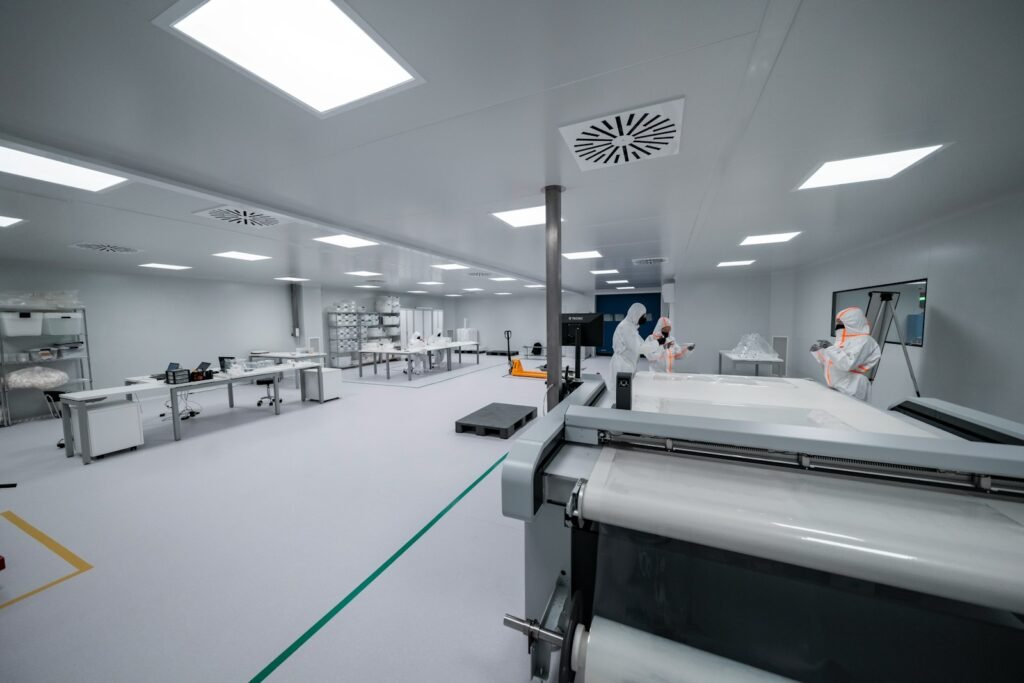
Cleanroom contamination controls guide dry ice cleaning from room entry through equipment release. Dry ice blasting removes deposits without adding wash water or spent abrasive grit. The work plan also accounts for removed residue, nearby products and the facility’s release procedure.
Our cleanroom equipment and surface dry ice cleaning service covers molds, tooling, fixtures, production machinery and accessible support surfaces. The planning sequence below keeps the cleaning task connected to engineering, maintenance and quality responsibilities.
1. Define the asset and the residue
Identify the equipment, component and exact surfaces to clean. Record whether the target is release-agent buildup, adhesive, grease, oil or another known production residue. Include photos and the surface finish that must be preserved.
Keep product-contact surfaces identifiable in the instructions. State the approved method, acceptance criteria and inspection requirements for those surfaces. Do not substitute a general description such as “cleanroom approved” for the facility’s equipment-specific procedure.
For tooling and production assets, see medical-device manufacturing equipment cleaning and injection mold cleaning.
2. Arrange room entry and material transfer
List the entry route, gowning requirements and permitted materials. Name the facility contact who controls access and the procedure for bringing cleaning supplies into and out of the room.
Include staging and waste transfer in the route. A cleaning task should not force removed residue to travel back through an exposed production area. Protect or remove nearby product and components before work starts.
3. Capture the material removed from the equipment
Dry ice turns into gas, but grease, adhesive and other removed deposits remain. Define local capture, containment and cleanup around the point of cleaning. Where required by the facility procedure, specify HEPA-filtered capture and how the collected material leaves the room.
Account for surfaces below and beside the asset as well as the direct cleaning point. The plan should identify nearby equipment to protect and the checks needed before barriers or capture arrangements are removed.
Dry ice cleaning is already documented in medical manufacturing cleanrooms. Cold Jet describes cleanroom applications and HEPA capture of removed contaminants. Those application examples support the method’s use; the facility still qualifies its own procedure and operating conditions.
4. Set cleanroom contamination controls for the work area
Include compressed-air cleanliness, the dry ice handling procedure and the cleanliness of items entering the room. Engineering and quality personnel should specify the requirements that apply to the process.
Plan equipment isolation and protection of sensitive components. The cleaning area also needs ventilation and CO₂ controls appropriate to the work. Room particle controls and personnel exposure controls address different requirements; both belong in the job instructions.
For exposure information, refer to OSHA’s carbon dioxide information and the facility’s safety procedures.
5. Put acceptance criteria before the cleaning date
State the required result and the inspection or testing used to confirm it. Depending on the facility procedure, the handoff may include visual inspection, residue testing, environmental checks or additional sanitation steps. Name who performs each check and who authorizes release.
For pharmaceutical manufacturing, FDA’s equipment cleaning guidance explains the need for documented procedures and evidence that cleaning removes residues to the required standard. The manufacturer establishes the validation and release requirements for its process.
Deposit removal, sanitizing, sterilizing and cleanroom certification are different tasks. Assign the required steps explicitly so the equipment is not returned to production simply because visible buildup has been removed.
A work order for cleanroom contamination controls
- Equipment identification, target surfaces and known residues.
- Room-entry, gowning and material-transfer instructions.
- Product protection, isolation and local capture arrangements.
- Approved cleaning parameters and finishes to preserve.
- Required inspection, sampling and documentation.
- Quality contact, release authority and available maintenance window.
Send the work order and equipment photos through our quote request form or call 917-695-9595. We provide on-site dry ice cleaning across New Jersey, New York, Pennsylvania and Delaware.