Planning a Data Center Cleaning Maintenance Window
Published
A planning guide for facility teams coordinating equipment access, cleaning, inspection, and return to service.
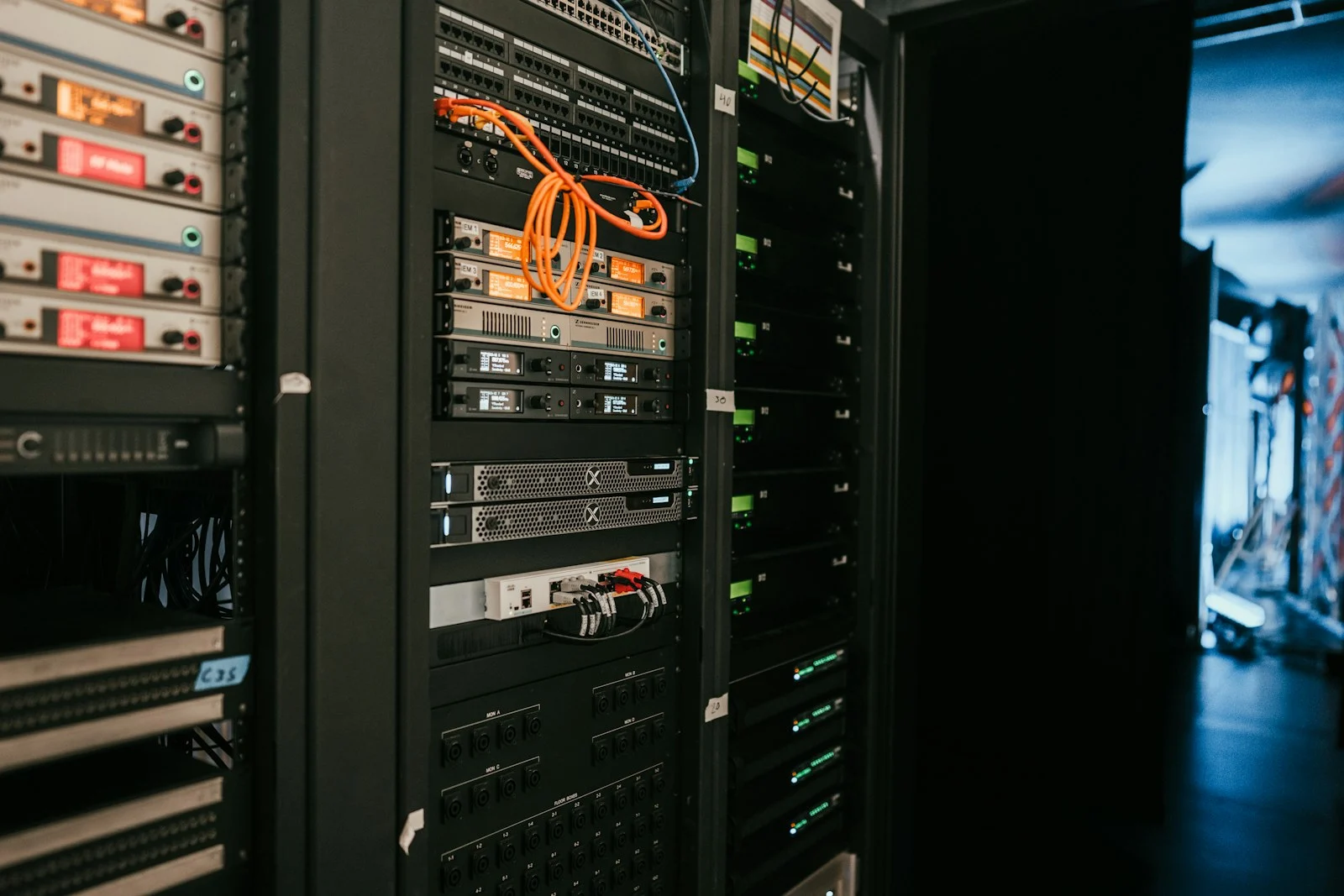
Plan a data center cleaning maintenance window from the handback deadline backward. Assign time for access, equipment isolation, cleaning, residue collection, inspection, and the owner’s return-to-service process. Keep the cleaning estimate separate from the total period the asset is unavailable.
Use this guide as a proposed planning framework for your facility team. Adapt it to your equipment, operating procedures, and approved work limits. For the service scope, see data center dry ice cleaning.
Start with an asset list and a defined result
Replace broad instructions such as “clean the generator room” with an asset-by-asset request. Give each item a name or tag that your team can identify on site. Then describe the surfaces and deposit to address.
For example, define a review for selected external motor housings or approved cabinet surfaces. List excluded areas separately. Ask your equipment specialist to review insulation, windings, connectors, sensors, and other sensitive parts before including them.
Also write down the inspection objective. Ask whether the work aims to expose a surface for inspection, remove an identified deposit, or prepare a component for a later maintenance task. Agree on the acceptance criteria before requesting a fixed cleaning duration.
Build the data center cleaning maintenance window
Use the sequence below as a draft schedule. Enter site-specific durations only after the responsible teams review each step. Leave room for the agreed contingency and stop-work decision.
| Stage | Planning question | Owner to assign |
|---|---|---|
| Access release | When can the crew enter the approved work zone? | Facility coordinator |
| Asset isolation | Who confirms the equipment is released for cleaning? | Qualified facility personnel |
| Setup and test | What protection, collection, and test approval are needed? | Cleaning lead and equipment owner |
| Cleaning | Which surfaces must be completed in this window? | Cleaning lead |
| Collection and inspection | Who accepts the cleaning result and checks the work area? | Named site representative |
| Return to service | Who completes testing, reassembly, and restart approval? | Equipment owner’s technical team |
Use the Shutdown Cleaning Window Planner to organize the estimates. Have the facility team review the result before treating it as a work schedule.
Resolve access before the crew arrives
Confirm escort rules, induction requirements, delivery hours, and any restrictions on photography. Identify the entry route for equipment and dry ice. Check whether doors, lifts, corridors, or temporary barriers affect that route.
Next, assign space for equipment staging and residue collection. Specify where hoses may run and which exits must remain clear. Ask the facility coordinator to identify concurrent work that could affect the cleaning zone.
Finally, confirm who can answer technical questions during the shift. Record a primary contact and an escalation contact. Include the authority to pause work if the agreed conditions are not available.
Review ventilation and the adjacent environment
Include the full dry ice journey in the review, from delivery and storage to use and removal. CDC reports harmful CO2 exposure associated with inadequate ventilation during dry ice handling. See CDC’s exposure report.
Ask your facility team to define ventilation, CO2 monitoring, and restrictions on air movement near sensitive equipment. Review the collection plan for removed material. Identify where collection equipment may sit and who handles the collected waste.
Also confirm compressed-air supply and quality with the cleaning contractor. Add noise restrictions, nearby occupied areas, and the facility’s environmental acceptance criteria to the work plan. Use the facility checklist to capture these questions.
Agree on priorities and a stop-work point
Divide the asset list into required work and optional work. Put the assets needed for the next operating period first. Ask for a revised sequence if the initial test reveals a different cleaning rate or surface response.
Set the latest time for active cleaning to stop. Reserve the remaining period for collection, inspection, and the owner’s technical tasks. Do not absorb that reserved time into extra cleaning without the facility’s approval.
For an unfamiliar deposit, consider a test cleaning before the main visit. Use the observed result to refine the scope and estimate. Record what the test covered so its findings are not applied to different surfaces without review.
Define the handback record
Agree on a short record that lists completed assets, excluded surfaces, and any areas requiring further attention. Include approved photographs if your site’s rules allow them. State who accepts the cleaning work and who authorizes the next maintenance stage.
Keep surface inspection separate from electrical serviceability. Assign required checks, reassembly, and restart decisions to the equipment owner’s technical team. For power equipment, use the data center electrical equipment cleaning guide to define those boundaries.
Finalize your data center cleaning maintenance window
Use the Project Brief Builder to collect the asset list, location, contamination, and timing. Attach the proposed sequence after the facility team has reviewed it.
If the project includes several methods, consult the data center cleaning methods guide and assign each task to the relevant provider. Then request a project review for selected facility equipment in New Jersey, New York, Pennsylvania, or Delaware.