INDUSTRY FOCUS
Dry Ice Cleaning for Breweries, Distilleries, and Wineries
Brewery, distillery and winery dry ice cleaning for equipment exteriors, packaging adhesive and production support equipment.
Precision Dry Ice Cleaning provides brewery, distillery and winery dry ice cleaning for equipment exteriors, packaging adhesive and production support equipment.
Deposits removed from brewery, distillery and winery equipment
We remove label adhesive and glue splash from accessible canning and bottling equipment, grease from conveyor components, and identified deposits from vessel exteriors and support machinery. Internal product-contact cleaning follows the facility’s own procedures.
Operational benefits of brewery dry ice cleaning
- Clear packaging components before line adjustment or maintenance inspection.
- Clean equipment exteriors without adding wash water or blasting grit.
- Coordinate vessel-exterior and packaging tasks within the production maintenance window.
Brewery production and packaging equipment
Map canning and bottling tasks from container handling through labeling and packing. Include accessible filler exteriors, conveyors, radial feeders, rollers/orienters, nesters and de-nesters, weighing-equipment supports, baggers, packaging liners and palletizers where present. Packaging liners are machines on the packaging line.
We remove specified production grime, attached product residue, grease, label adhesive and glue splash from accessible surfaces. Keep internal clean-in-place circuits, product-contact sanitation and glue-system servicing individually defined. The cleared exterior surfaces support inspection and packaging setup.
- Cleaning Brewery Canning and Bottling Equipment
- Removing Label Adhesive and Glue Buildup on Brewery Lines
Distillery vessel exteriors and support equipment
Include accessible vessel exteriors, frames, supports and packing machinery in the maintenance asset list. Isolated motor housings, control-panel enclosures and fans / man fans can have their own tasks. Fans move air and accumulate airborne particles, so identify attached dust and production grime separately from grease and product residue.
Our deposit-removal scope identifies the external surfaces cleaned and the handoff to maintenance. Internal process-cleaning, component servicing and facility release remain assigned to the distillery’s procedures. Coordinate vessel, support and packaging tasks around the same shutdown where their availability aligns.
- Cleaning Distillery Vessel Exteriors and Supporting Equipment
- Planning Distillery Equipment Cleaning During a Shutdown
Dedicated winery equipment cleaning
Explore winery equipment cleaning for bottling and labeling machinery, vessel exteriors and air-moving fans. The page connects sticky product residue, grease, adhesive and attached dust to inspection and maintenance tasks.
Beverage food-grade media references
Read the FDA, EPA and USDA reference guide for food-grade media requirements and the distinct scope of each agency’s sources. Food-use provisions and technical guidance do not establish blanket approval of dry-ice blasting in food plants.
Non-toxic dry ice and eco-friendly cleaning benefits
Dry ice is a non-toxic cleaning medium. Dry ice blasting cleans with solid CO₂ and compressed air without detergents, solvents, wash water or added abrasive grit. Its environmental benefits include no chemical rinse water and no spent blasting media from the blasting step.
Food-grade dry ice is a food-safe cleaning medium used for food-processing equipment. Food-facility cleaning still follows the site’s sanitation, allergen-control and equipment-release procedures.
The dry ice turns into gas. Removed deposits still require collection, and ventilation and protective equipment remain part of the cleaning setup.
Brewery dry ice cleaning for packaging lines and vessel exteriors
For canning and bottling operations, identify label adhesive, glue-station buildup, accessible conveyor frames, and machine exteriors. Share the adhesive or product type and photographs of the affected component. Use the packaging equipment guide to define surfaces and access.
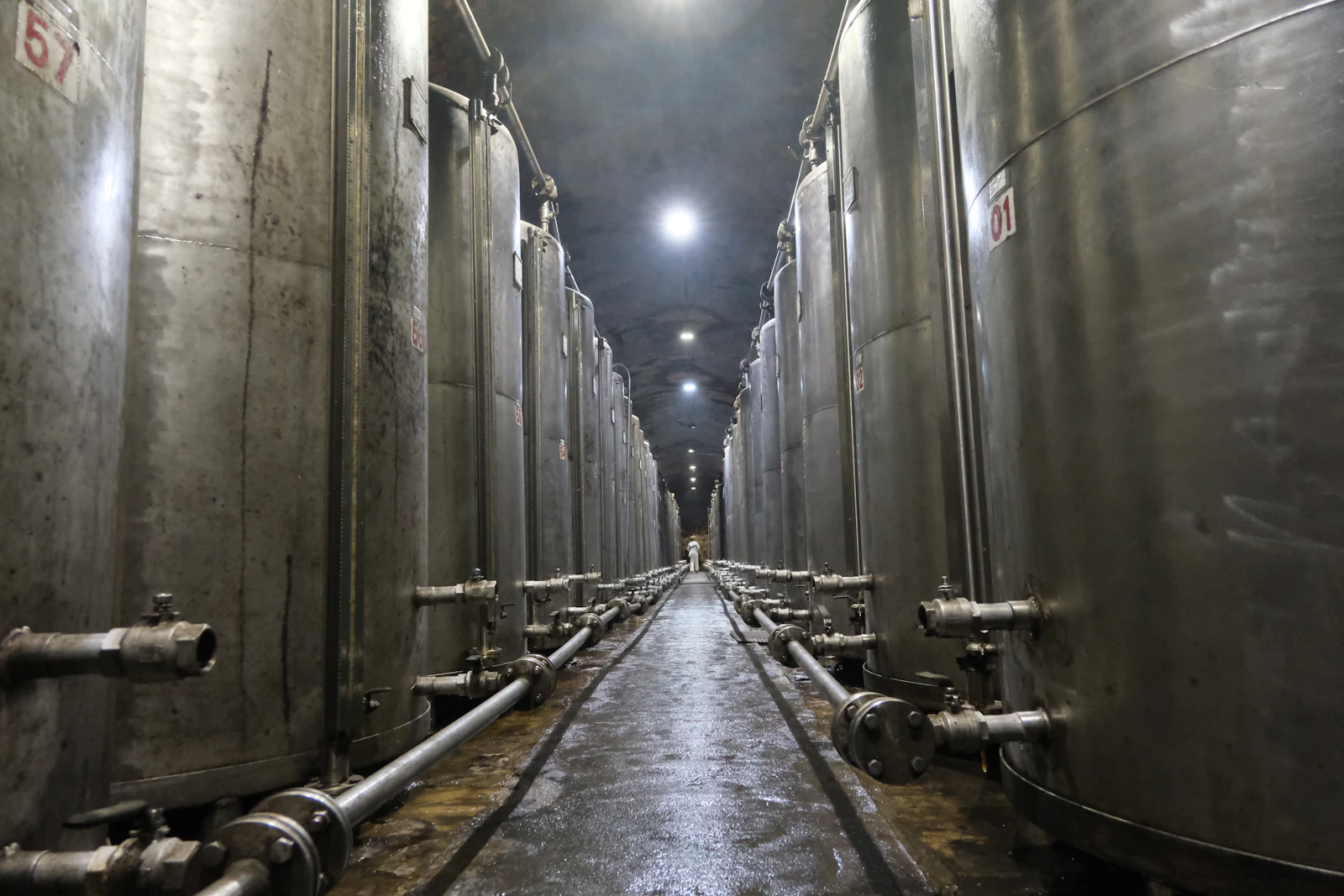
For brewhouses, distillation equipment, and wine production, list tank and kettle exteriors, supports, platforms, and keg-washer exteriors individually. Mark instrument faces, insulation, seals, wiring, and finishes that must remain untouched. Internal tanks, piping, and product-contact parts require their own review.
A cleaning scope that fits your sanitation program
Cold Jet identifies beverage production, conveyors, and labeling equipment among its food and beverage applications. That manufacturer reference supports an application discussion. It does not establish a validated cleaning procedure for your particular equipment.
Keep exterior deposit removal separate from clean-in-place cycles, sanitizing, allergen controls, and quality release. Your production or quality team should define the required inspection and follow-up steps. For product-contact requests, provide the existing procedure and acceptance criteria with the food-equipment cleaning scope.
Build the visit around the production calendar
- Identify the line, tank, or support asset and the deposit to be reviewed.
- Provide equipment models, surface materials, and manufacturer cleaning restrictions.
- Mark exposed product, empty packaging, and adjacent equipment needing separation.
- Describe unloading access, available air, work-zone ventilation, and the permitted work interval.
- Assign equipment isolation, preparation, inspection, and restart to the responsible people.
Include time for residue collection and the facility’s release checks. For an unfamiliar deposit or delicate finish, request a representative test before committing to the larger scope. Use the shutdown planner to place cleaning between preparation and restart.
Brewery dry ice cleaning questions
Does this replace tank sanitation? This page covers equipment-cleaning projects. Any change to an internal cleaning or sanitation procedure needs the facility’s review and validation.
Can a distillery request work near extraction or alcohol-handling equipment? Identify the area classification, materials present, and site restrictions before a method is selected. Submit the scope through the facility’s responsible maintenance and safety contacts.
Can the work become recurring? Use an initial approved scope and inspection record to discuss maintenance visits. Set the interval around observed buildup and your production schedule.
Get a beverage equipment cleaning quote with photos, your project ZIP code, and the next available maintenance window. Precision serves New Jersey, New York, Pennsylvania, and Delaware.
LET’S LOOK AT YOUR PROJECT
Need dry ice
cleaning?
Call for dry ice cleaning services in NJ, NY, PA, or DE. Tell us what needs cleaning and when you need the work done.
NY · NJ · PA · DE / Businesses and private owners