PRECISION DRY ICE CLEANING
Meat and Poultry Processing Dry Ice Cleaning
Remove fat, protein residue, grease and cooked-on buildup from meat and poultry processing equipment with dry ice blasting. Eliminate wash water and the drying step. Shorten cleaning windows, reduce downtime and recover valuable production time.
Our meat processing equipment cleaning service removes attached fat, protein residue, grease and cooked-on production buildup from accessible machinery. Precision Dry Ice Cleaning serves meat and poultry processing plants in New York, New Jersey, Pennsylvania and Delaware with mobile dry ice blasting. Replace labor-intensive manual scrubbing with dry ice blasting. Eliminate wash water and the drying step. Shorten cleaning windows, reduce downtime and recover valuable production time.
Build the cleaning visit around the processing stations that need attention. Slicing, mixing, conveying, weighing and packing each have different access points. Remove attached deposits before equipment inspection, maintenance and the next production run.
Meat processing equipment cleaning deposits
Fat and protein residue on processing surfaces, cooked-on food and carbon on heated equipment, grease on support machinery, and label adhesive around packing stations are identified as separate cleaning tasks. Product-contact components stay clearly marked throughout the work.
Equipment covered by meat processing equipment cleaning
Slicers, mixers and vats
Remove attached food residue from accessible housings, mixing surfaces and support structures. Clear the named surfaces before equipment inspection and adjustment. Blades, seals and product-contact parts retain their own handling and sanitation procedures.
Conveyors, feeders and weighing systems
Clean product buildup and grease from accessible frames, guides, transfer points and machine supports. Follow the component maker’s requirements for belts, load cells and sensors. Map the stations so cleaning and inspection follow the product path.
Cooking and packaging equipment
Target carbonized food and grease on accessible heated equipment, and label adhesive or glue splash around packing stations. Include baggers, packaging liners, labelers and palletizers in the station list where they share the same maintenance window.
Operational benefits of meat processing equipment cleaning
- Clear processing surfaces before maintenance inspection and setup.
- Clean installed machine structures without introducing wash water.
- Coordinate deposit removal with the plant’s sanitation and release sequence.
Map the equipment by station so the cleaning visit supports the work already planned by maintenance. A clear equipment list separates deposit removal, component servicing and sanitation, with an owner for each step.
Plan the cleaning window
Schedule slicing and packing tasks in the order the equipment becomes available. Identify raw-product and finished-product areas before setup. The plant should define product removal, equipment isolation, work boundaries and the path for collecting the removed residue. Leave time after cleaning for the sanitation team’s required steps.
Before scheduling, send the asset list, deposit photographs, surface materials, access dimensions and production calendar. Include electrical isolation, equipment opening, component protection and the space available for residue collection. Use the shutdown cleaning window planner to organize the sequence.
Inspection, sanitation and equipment release
Meat and poultry equipment cleaning is part of the facility’s maintenance and hygiene program. The plant defines food-contact cleaning, sanitizing, verification and release. Cleaning records describe the assets and deposits addressed, with photographs where permitted and any remaining work identified.
Food-grade media for meat processing equipment cleaning
Dry ice is solid carbon dioxide. See the FDA carbon dioxide food-use listing when specifying cleaning media. Food-grade dry ice provides a non-toxic, food-safe cleaning medium when its quality, handling and use meet the facility’s requirements. It sublimates into gas instead of leaving spent blasting grit.
The blasting step uses no cleaning solvents, detergents or wash water. These environmental benefits reduce the materials introduced during deposit removal. The dislodged food residue still needs collection and disposal, and the work area needs ventilation and CO₂ controls.
Read our FDA, EPA and USDA reference guide for the scope of food-use rules and agency guidance. The plant’s sanitation and release procedures remain part of the cleaning plan.
Supporting equipment-cleaning guides
- Cleaning Meat and Poultry Conveyors and Slicers
- Deposit Removal and Sanitation Handoff in Meat and Poultry Plants
Related services and next steps
Connect this work with food processing equipment cleaning, packaging equipment cleaning and food and beverage plant maintenance. Share the equipment, residue and cleaning window through our quote request form for a mobile cleaning visit in NY, NJ, PA or DE.
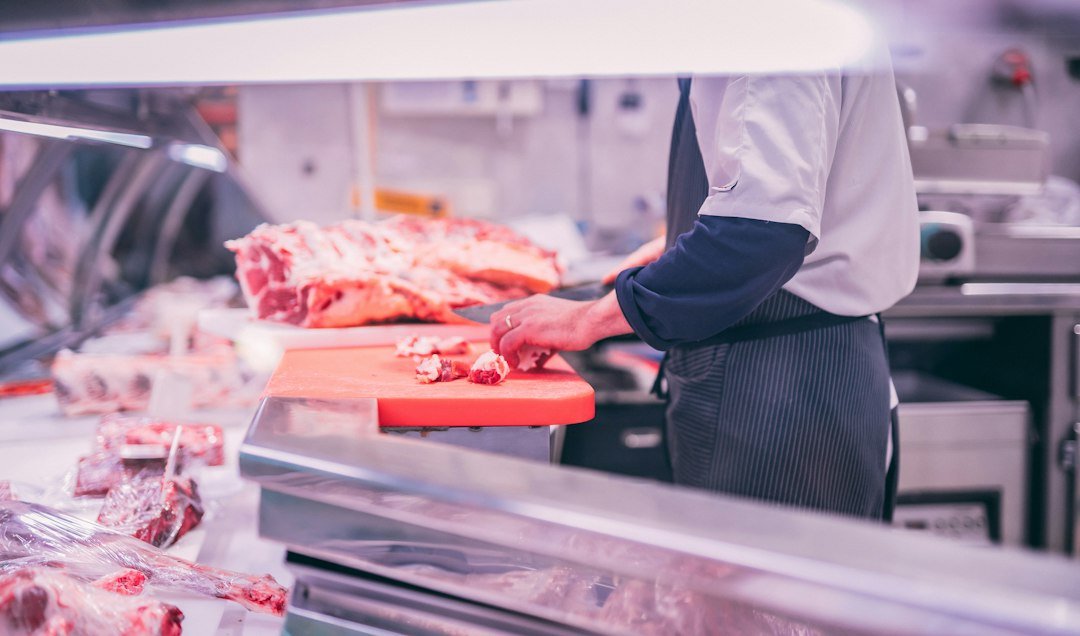
Industry reference image. Photo by Iñigo De la Maza. The image illustrates the sector and is not a project record.
LET’S LOOK AT YOUR PROJECT
Need dry ice
cleaning?
Call for dry ice cleaning services in NJ, NY, PA, or DE. Tell us what needs cleaning and when you need the work done.
NY · NJ · PA · DE / Businesses and private owners