Building a Warehouse Conveyor Cleaning Scope
Published
Define warehouse conveyor cleaning by zone, surface, and deposit. Plan equipment access, protected components, residue collection, and the maintenance handoff.
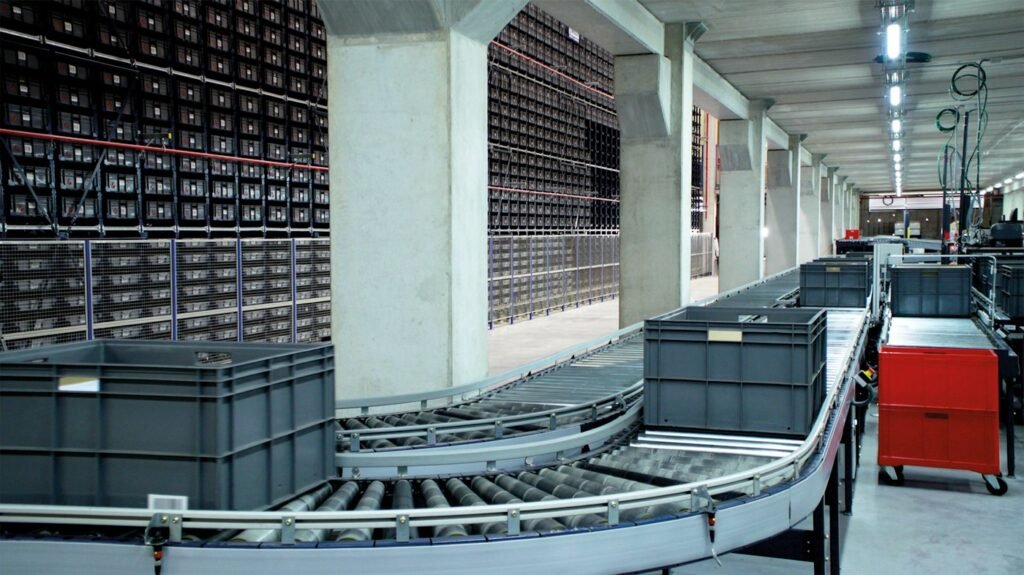
Start a warehouse conveyor cleaning request with a map of the equipment and the deposits you want assessed. Identify the frames, housings, transfer areas, and other surfaces by zone. Then connect each task to the people who control access and restart. This guide supports a facility dry ice cleaning review for warehouse and distribution equipment.
Break the conveyor system into work areas
Use the same zone names that operations and maintenance use. Mark receiving, sorting, packing, and dispatch equipment where those areas apply. Add a line identifier and photographs for every target surface.
List the areas in priority order. State whether the cleaning supports a planned service visit, a close inspection, or a recurring buildup concern. Record the earliest access time and the deadline for handing each section back to maintenance.
Do not use the total floor area as the only measure of the job. Describe the surfaces, geometry, and access within each zone. Include elevated sections and areas behind fixed guards as separate items.
Identify the deposit and the finish to retain
Describe visible grease, adhesive, compacted dirt, or other material. Include any known source and earlier cleaning attempts. Photograph the deposit closely and show the coating beneath it where visible.
For adhesive deposits, review adhesive and production residue removal. For equipment beyond the conveyor, use industrial machinery cleaning. Keep the asset names tied to the photographs so the scope does not expand through assumptions.
Flag unknown residues and any suspected hazardous or combustible material for site assessment before choosing a cleaning method. Define how removed material will be collected and who is responsible for its handling.
Review components individually
Separate frames and external housings from belts, rollers, sensors, bearings, drives, and lubricated parts. Provide manufacturer instructions and identify sensitive or worn components. A proposed method for a steel frame does not establish suitability for the belt or sensor beside it.
Cold Jet lists conveyor and packaging-line cleaning among dry ice applications. That establishes a general application category. Review the actual deposit, substrate, component condition, and access before approving your system’s scope.
Arrange a test cleaning if the result is uncertain. Select a representative section and document preparation, cleaning time, surface response, and remaining deposits. Keep excluded parts marked throughout the review.
Coordinate operations and maintenance
Assign equipment release and energy control to the responsible personnel. Identify connected sections, upstream feeds, and other equipment that the facility must assess. Follow the equipment-specific procedure and agree on access before work begins.
The federal hazardous-energy standard covers relevant cleaning work where unexpected startup or stored energy presents exposure. Coordinate the applicable controls with the facility and contractor teams.
Review product removal, nearby traffic, work-zone boundaries, ventilation, CO2 exposure, and noise. Specify loading access and compressed air arrangements. Use the facility readiness checklist to prepare the site discussion.
Use a zone-by-zone handoff record
Complete this blank planning table for the actual job. It is a worksheet, not a completed project record.
| Work package | Record before and after cleaning |
|---|---|
| Zone and assets | Line identifier, target surfaces, deposit, and photographs |
| Access window | Release time, preparation contact, and handback deadline |
| Protected components | Parts excluded, masking or removal responsibilities, and restrictions |
| Cleaning result | Completed surfaces, remaining material, and collection record |
| Maintenance release | Reassembly, lubrication, checks, and restart authorization owner |
Agree on the acceptance check before cleaning begins. Keep visual cleaning acceptance distinct from mechanical condition and authorization to restart. Record areas that require another visit, repair, or a different process.
Build repeat work from observed conditions
For recurring cleaning, use the same inspection points and photographs on later visits. Record changes in deposits, operating patterns, and access. Discuss intervals through scheduled maintenance cleaning.
For a larger outage, connect zone priorities to plant shutdown cleaning. For work around people in adjacent areas, consult the occupied-building scheduling guide.
Request a warehouse conveyor cleaning review
Send the zone list, photos, known deposits, facility address, and target dates. Add manufacturer restrictions and the operations or maintenance contact. Review pricing factors against the complete scope, including setup and collection.