Planning Bakery Oven and Equipment Cleaning Around Production
Published · Updated
Build a bakery equipment cleaning schedule that includes cooldown, access, residue collection, and the sanitation handoff.
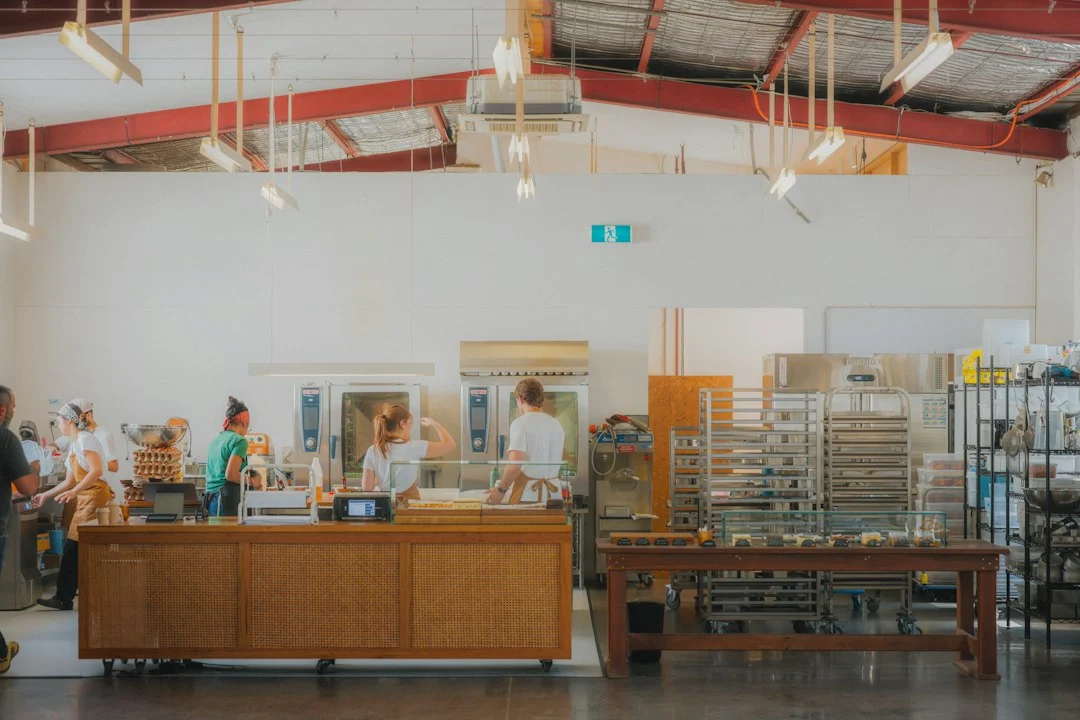
A bakery equipment cleaning schedule needs more than an available date. It should show when each asset can be released, what preparation is required, and which checks happen before production resumes.
Start with the bakery’s actual production sequence. Then identify the oven, conveyor, mixer surroundings, or other accessible equipment area proposed for evaluation. Use this guide alongside our bakery equipment dry ice cleaning service.
Build the bakery equipment cleaning schedule backward from release
Ask the production team when each asset must be available again. Work backward through inspection, any required sanitation steps, cleanup, cleaning, and preparation.
Use the Shutdown Cleaning Window Planner to allocate preparation, cleaning, collection, and inspection time. Include the bakery’s required sanitation and release steps in your stage estimates.
Name the person responsible for each handoff. A maintenance opening and a production restart are different milestones. Writing both down helps prevent the cleaning task from occupying time already needed by another team.
Include the manufacturer’s requirements for shutdown and equipment condition before cleaning. For ovens and heated equipment, the bakery should establish the permitted temperature and access conditions. Do not assume that every asset can be released immediately after a production run.
Divide the line into workable tasks
List the specific surfaces being considered. An accessible oven exterior, a conveyor support structure, and a food-contact component require different descriptions and approval criteria.
For each task, photograph the deposit and identify the underlying material. Note coatings, belts, seals, controls, and components that need protection or separate review.
Keep loose ingredient handling separate from removal of attached residue. Your facility should identify its dust-management and housekeeping requirements before the selected cleaning begins.
Identify the residue and the desired result
Describe the deposit using the information your team has. Include oils, baked-on material, adhesive, or other process residues where relevant. Avoid assuming that all visible buildup has the same composition.
State what the cleaning is intended to accomplish. Your team may need a clearer inspection surface, removal of selected accumulation, or a defined maintenance task during an existing stop.
Keep that objective separate from any claim about product quality or sanitation. Those outcomes require the bakery’s own procedures and acceptance decisions.
Test the difficult area before committing the whole line
Choose a representative deposit and surface combination. Include any coating or working finish that must remain. A trial on a guard will not establish suitability for an unrelated belt or process surface.
Record the starting condition and agree on the stopping point. The responsible bakery personnel should inspect the result against the intended objective.
Document areas where residue remains or another approach is needed. That information helps define a realistic task list and prevents the final visit from depending on an untested assumption.
Plan collection and the sanitation handoff
Dry ice changing to gas does not remove the need to collect released material. Define how the work area, adjacent equipment, and protected components will be checked afterward.
Name the bakery team responsible for any required sanitation and verification steps. A selected equipment cleaning task should fit into that process with a clear handoff.
For broader production equipment, see food processing equipment cleaning. For kitchens with different operating schedules, our commercial kitchen equipment page addresses a separate application.
Keep the first visit useful for future planning
Record the actual areas completed and the conditions that affected access. Keep photographs at repeatable inspection points and note the production conditions between visits.
Review the next interval against observed buildup. Changes in recipes, operating hours, or equipment use may justify a different scope. The previous calendar date alone does not establish the next requirement.
A bakery equipment cleaning schedule is ready for a quote review when it includes the asset list, location, deposit photographs, available window, and responsible inspection contacts. Request a project review with required and optional tasks marked. Precision can review the application and the information needed for a test or planned visit.