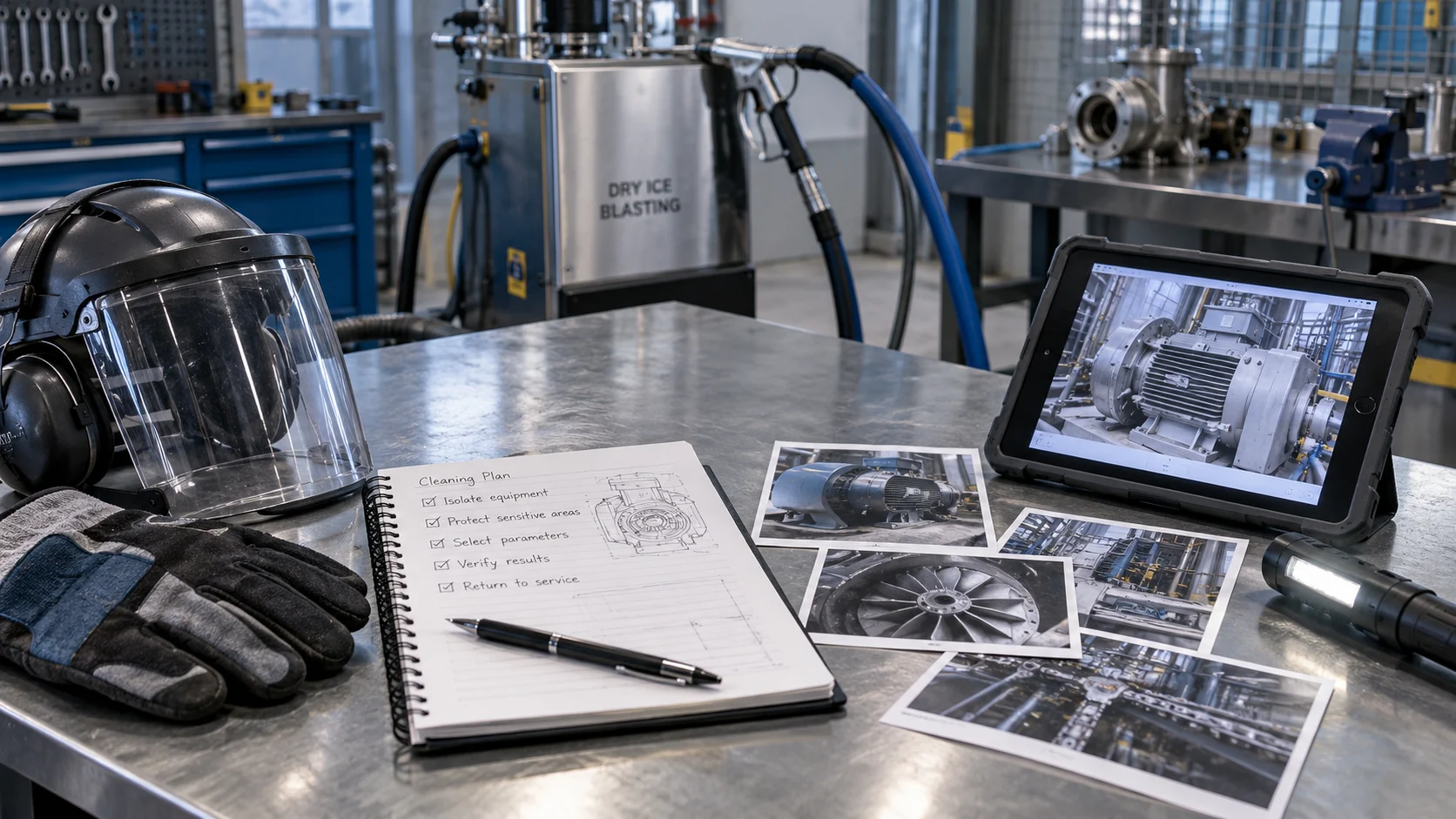
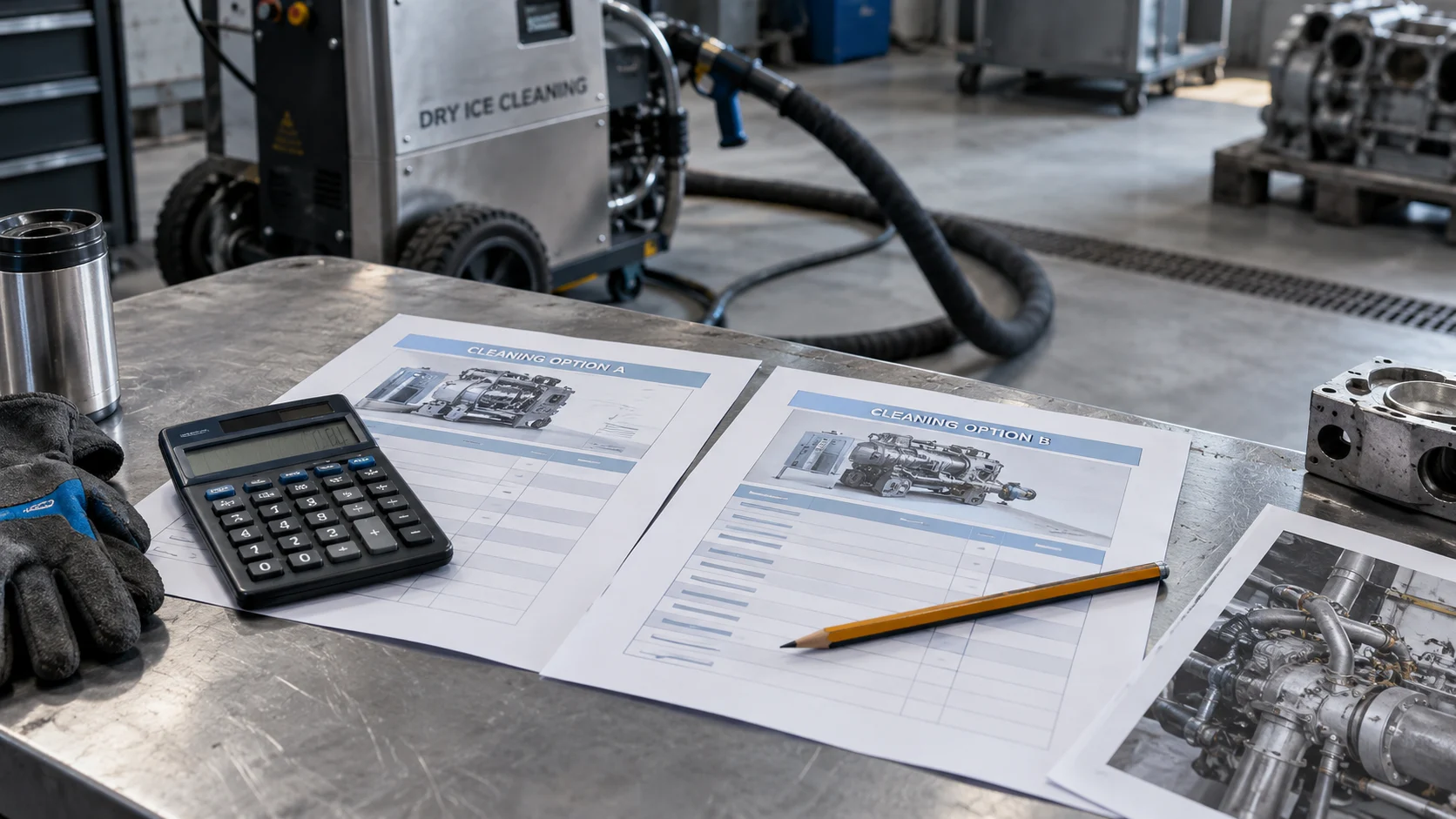
Preparing for Dry Ice Cleaning at a Military or Controlled-Access Facility
Published
A proposed planning guide for coordinating equipment-cleaning access, technical acceptance, and documentation at controlled-access facilities.
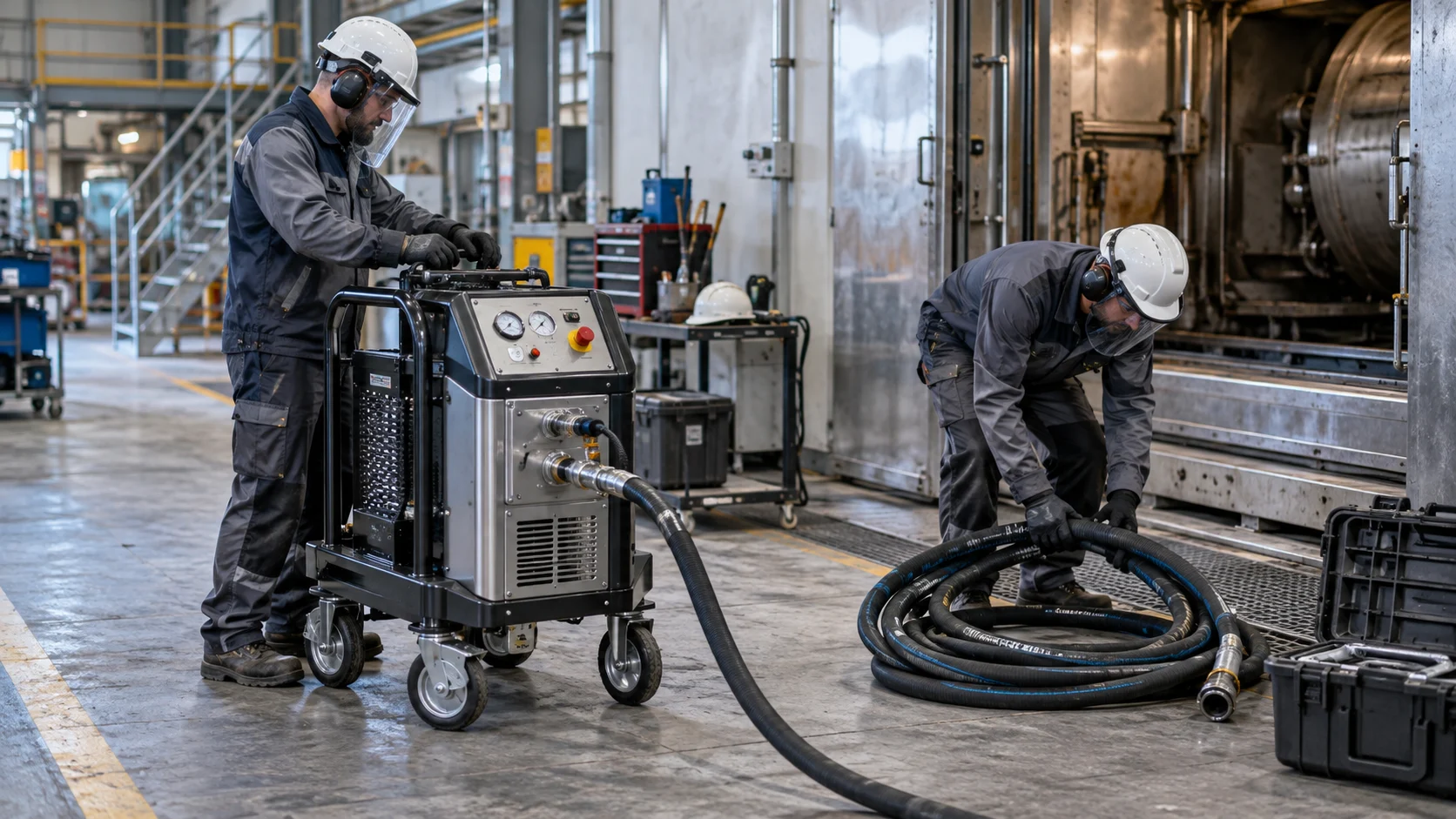
Military facility cleaning needs coordination between the team buying the work, the people controlling site access, and the personnel responsible for the asset. Establish those contacts before setting a cleaning date. Then define the equipment, deposit, and result the project is intended to achieve.
Use this guide as a proposed planning framework for your facility. Local procedures and project documents determine the actual requirements. For the service scope, see military and defense dry ice cleaning.
Assign the military facility cleaning contacts
Name a contracting contact, a facility coordinator, and a technical acceptance contact. One person may hold more than one role, but each responsibility needs an owner. Identify who can approve a change if conditions differ on the day.
Ask the coordinator to confirm the expected review sequence. Record when personnel information, equipment details, and project documents must be submitted. Do not schedule arrival on the assumption that access review is complete.
| Contact role | Decision to resolve |
|---|---|
| Contracting contact | Work authorization, purchasing terms, scope changes, and required documents. |
| Facility coordinator | Entry procedure, escorts, deliveries, staging, work area, and working hours. |
| Equipment owner | Technical instructions, isolation, released surfaces, and retained condition. |
| Acceptance representative | Test criteria, inspection method, completion record, and handback. |
| Return-to-service authority | Required checks, reassembly, and authorization for the next operating stage. |
Confirm the technical boundary of the work
Describe the asset by its site-approved identifier and list the surfaces included. Provide the substrate, coating, deposit, known repairs, and manufacturer instructions available for review. Mark sensitive components and prohibited areas.
State whether cleaning supports an inspection, a maintenance task, or another defined objective. Identify the technical authority that approves the method. Keep repair, functional testing, coating application, and certification outside the cleaning package unless separately assigned.
For manufacturing assets, use the aerospace tooling page to expand the surface and quality questions. For facility equipment, use industrial machinery cleaning. A scope for one asset should not be treated as approval for another.
Resolve entry and delivery arrangements
Request the site’s current instructions for contractor entry and equipment delivery. Ask about escorts, approved routes, vehicle restrictions, unloading, induction, and shift access. Confirm how the crew contacts the coordinator if arrival conditions change.
Review how cleaning equipment, hoses, dry ice, and any agreed air-supply equipment reach the work zone. Check doors, lifts, loading areas, and staging space with the site contact. Identify the party responsible for moving the asset or clearing access.
Include these arrangements in the written work plan. If the crew must wait for release or an escort, state how that affects the work window and quotation assumptions.
Agree on document and photography rules
Ask which project details may be shared and through which channels. Confirm restrictions on photographs, mobile devices, drawings, and equipment identifiers. Use the facility’s approved document process for material subject to access controls.
For an initial public inquiry, provide an approved, non-sensitive description of the application and the contact who can coordinate further review. Agree on an appropriate exchange method before sending restricted records.
Define the completion evidence at the same time. If photographs are prohibited, agree on an alternative written record. State who retains the documents and who can accept them on behalf of the project.
Make the test a separate decision point
A representative cleaning test should cover the actual deposit and surface system. Define its boundaries, inspection criteria, and reviewer before work begins. Record what would require a pause or a method change.
Keep the test result attached to the approved scope. If the condition differs across assets, identify which areas need another review. Ask the technical representative to resolve that difference before the production work expands.
The Navy’s NESDI Project 590 evaluates dry ice cleaning and coating removal for Fleet Readiness Centers. It provides technology context, not approval for a specific facility or contractor. Read the Navy project description.
Coordinate work-area controls with the site
Assign equipment isolation and release to the responsible personnel. Discuss ventilation, CO2 monitoring, noise, collection of removed material, and adjacent operations. Identify where equipment and hoses can sit without obstructing the agreed access routes.
Include delivery and storage of dry ice in the same review. Specify who handles collected residue and what information is available about the deposit. Resolve unknown material or coating questions before the work scope is accepted.
Use the Facility Checklist and facility requirements page to organize the discussion. The site must adapt the plan to its equipment and operating conditions.
Reserve time for inspection and handback
Plan backward from the required completion time. Reserve time for collection, the cleaning inspection, reassembly, and the owner’s technical checks. Set a latest stopping time for cleaning so optional work does not consume the handback period.
Prepare a record showing completed surfaces, exclusions, and any observations needing maintenance attention. Identify the person who accepts the cleaning result. Keep that acceptance separate from authorization to operate the equipment.
Use the Cleaning Window Planner for the proposed sequence. For the contracting document, follow the government equipment cleaning scope-of-work guide.
Submit a project brief for review
Provide the approved asset description, cleaning objective, location, proposed dates, and responsible contacts. Review the vendor information on the government contracting page. Then request a military or defense project review for work in New Jersey, New York, Pennsylvania, or Delaware.