Data Center Electrical Equipment Cleaning Planning Guide
Published
Define the surfaces, equipment approvals, and responsibilities before scheduling cleaning of data center power infrastructure.
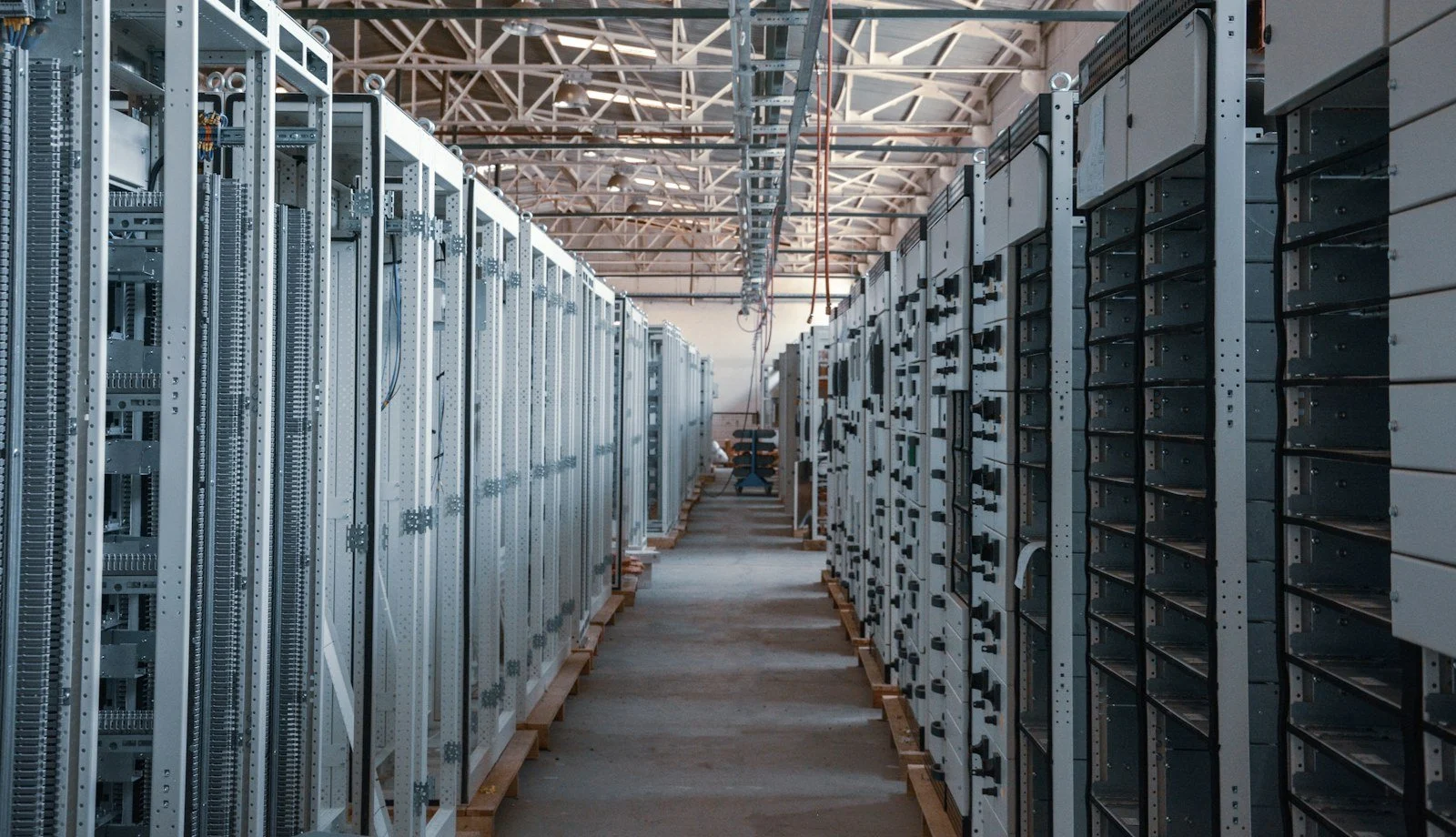
Data center electrical equipment cleaning needs a precise asset scope. Identify the equipment, the surface deposit, and the components the cleaning crew may access. Assign isolation, inspection, testing, and return to service before choosing a date.
This guide proposes questions for facility managers and electrical maintenance teams. Use your equipment manufacturer’s instructions and approved site procedures to decide what is permitted. For regional service information, visit data center dry ice cleaning.
Separate the enclosure from the components inside
Start with the cabinet, motor, generator, or other asset under review. Record its manufacturer and model. Then describe each surface rather than using the equipment name as permission to clean every part.
For a cabinet, distinguish exterior surfaces, internal enclosure surfaces, and installed electrical components. For a motor, separate the housing from windings and insulation. Ask the owner’s technical team to identify areas that require protection, removal, or a different method.
Apply the same discipline to switchgear and power distribution equipment. Record the lineup and compartment, along with access restrictions. Treat electronic controls, batteries, power modules, and stored-energy components as separate review items.
Evaluate dry ice against the specific equipment
ASCO lists de-energized motors, generators, and control cabinets as dry ice cleaning applications. Use that information to begin a discussion with the equipment owner. It does not replace the instructions for the particular asset. See ASCO’s dry ice application guidance.
Provide the manufacturer’s cleaning limits to the contractor before a test is proposed. Ask how the chosen equipment, process settings, access, and surface condition fit those limits. If the manufacturer prohibits the method, select another approach.
For unfamiliar surfaces, agree on a representative test and inspection criteria. Record which deposit and component the test covers. Do not extend the result to another insulation system, coating, connector, or assembly without a separate review.
Set data center electrical equipment cleaning responsibilities
Plan the proposed service for de-energized equipment. Ask the facility’s qualified personnel to define the isolation boundary, control stored energy, and verify the condition before releasing the asset for cleaning. Include nearby equipment in the access review.
Record who can release each asset and who can stop the work. Confirm how a change in site conditions is communicated to the cleaning lead. Keep the approved work boundary visible in the scope.
Do not use the cleaning crew’s arrival time as the asset release time. The maintenance window planning guide separates access, cleaning, and handback so the facility team can assign each stage.
Describe the contamination and collection plan
State whether the request concerns loose dust, an oily deposit, process residue, or an unknown material. Include maintenance findings that could change the scope. Ask the equipment owner to address leaks, damaged insulation, and other defects separately.
For dry ice cleaning, the blasting medium becomes gas while removed material remains. Plan how that material will be collected and handled. ASCO explains the process.
Agree on protection for adjacent equipment and air pathways before work starts. Identify the collection equipment and its placement. For work near computer hardware, ask the facility team to review its contamination-control requirements alongside the equipment instructions.
Resolve component protection before the test
Ask the equipment specialist and cleaning lead to document the following review points. These are planning questions, not a universal procedure for every electrical asset.
- Which surfaces are permitted for direct treatment?
- Which components need masking, removal, or exclusion?
- What grounding and electrostatic discharge controls apply?
- What compressed-air quality and process limits apply?
- How will the team check for moisture, remaining debris, or surface changes?
- What result is required before expanding beyond the test area?
If an answer is unresolved, keep that component outside the agreed cleaning scope until the responsible specialist decides. Consult the broader electrical and electronic equipment cleaning page for related applications.
Keep inspection and return to service explicit
Before scheduling, name the person who accepts the cleaning result. Agree on how to document excluded areas and any observations that require maintenance attention. Use site-approved photos where permitted.
Then assign reassembly, technical checks, electrical testing, and authorization to restart. Ask the equipment owner to determine the required sequence. Do not treat a visual cleaning check as approval to energize the asset.
Include this handoff in the quote request so the contractor’s work ends at a clear point. If technical personnel must be present during the shift, confirm their availability before reserving the cleaning window.
Prepare a data center electrical equipment cleaning brief
Collect the asset list, model information, approved photographs, deposit description, and requested completion window. Add manufacturer restrictions and the names of the people responsible for isolation and handback.
Use the Project Brief Builder to organize your request. If suitability is unresolved, discuss a test cleaning. For a defined project in NJ, NY, PA, or DE, request a cleaning assessment.