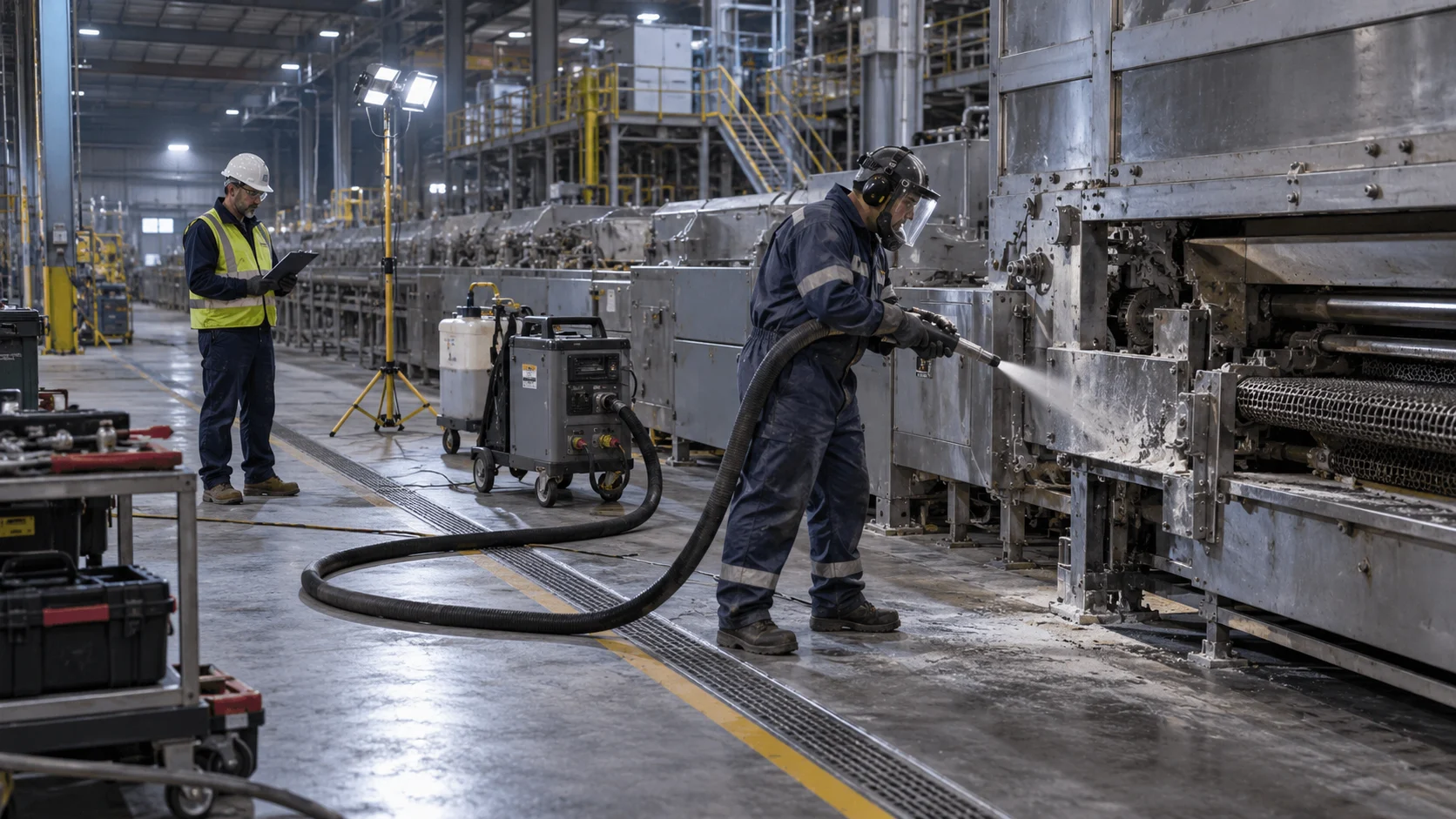
Rubber Mold Cleaning Methods Compared
Published · Updated
Compare rubber mold cleaning methods using the compound, release system, finish and access. Set a test criterion and keep a repeat cleaning record.
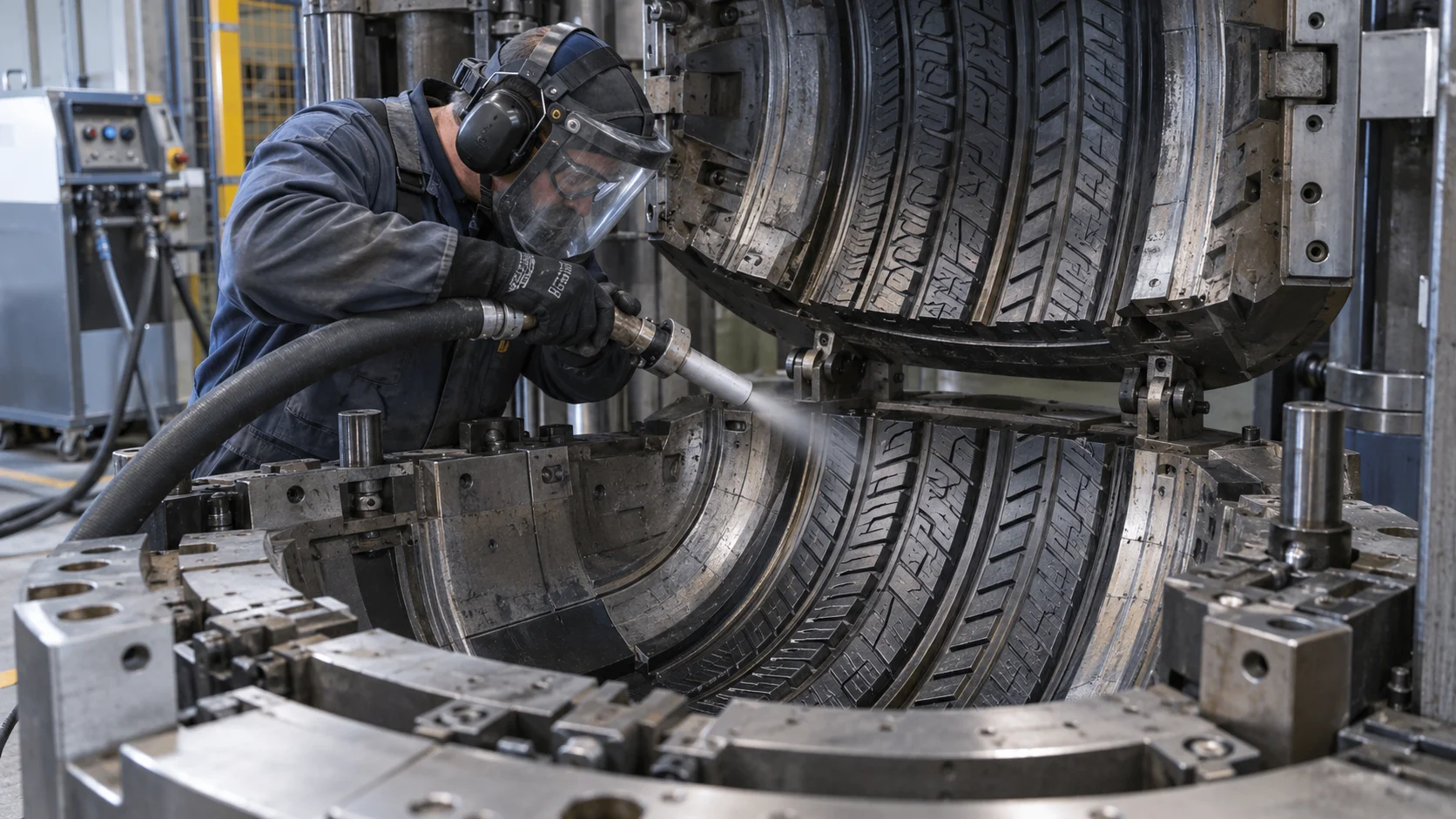
Rubber mold cleaning methods should be compared against the compound, release system and tool finish. Identify the deposit to remove before requesting a quote. Then define the surfaces, features and materials that must remain.
This guide is a suggested evaluation framework for industrial production molds. Use it alongside the toolmaker’s instructions and the rubber mold cleaning service. It concerns manufacturing tooling, not biological mold remediation.
Describe the fouling before comparing methods
Cold Jet describes cured material and mold release deposits in its rubber and plastic mold cleaning overview. Your review should identify the actual compound, release product and deposit rather than applying a general claim to every tool.
Include the mold identifier, production use and previous cleaning history. Note whether the concern affects the whole tool or selected cavities. Provide close photographs of the deposit and an overall view showing where each close-up belongs.
Ask the tooling team to mark polished, textured, coated and repaired surfaces. Record existing wear separately from removable buildup. If the surface condition is uncertain, put that uncertainty in the test request.
Compare rubber mold cleaning methods by decision
| Method under review | Ask the tool owner | Include in the comparison |
|---|---|---|
| Manual cleaning | Which products and implements are permitted? | Access, labor, handling and inspection |
| Off-tool treatment | Which process is approved for this material and finish? | Removal, transport, reinstatement and lead time |
| Abrasive process | Is material removal permitted at the target surface? | Finish, feature and dimensional requirements |
| Dry ice cleaning | What deposit and surface should the trial evaluate? | Preparation, trial, collection and acceptance |
Treat these as questions for a method review, not interchangeable instructions. Ask each provider to quote the same tool sections and required result. Keep repair, recoating and dimensional inspection separate where those services are needed.
Compare the complete work window. A short cleaning operation may still require owner preparation and follow-up checks. Record those tasks before deciding whether an in-press or removed-tool arrangement suits the schedule.
Make access a specific scope item
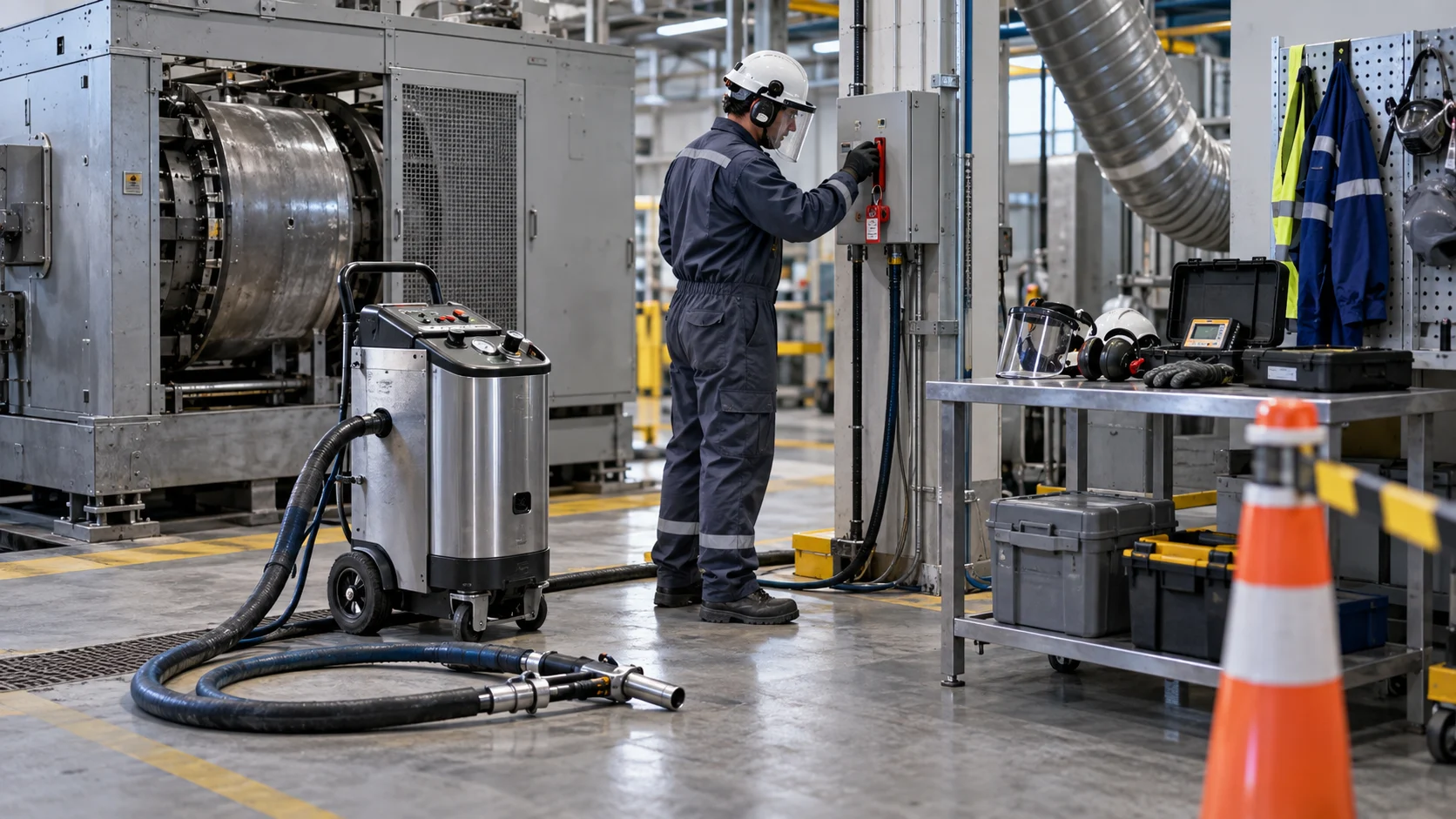
State whether the tool will stay in the press or be removed. Ask the equipment owner to define isolation, working clearance, handling and tool condition. Name who prepares the tool and who accepts it afterward.
List sections that cannot be reached in the proposed arrangement. If preparation changes the available access, revise the scope before using an old estimate. Do not treat an in-press location as approval to work on operating equipment.
The guide to cleaning without disassembly provides a planning framework. Use the facility requirements page to organize site questions.
Test the residue and finish together
Choose a representative area with the actual compound-related deposit and surface finish. Include relevant detail when the tooling owner approves the access. Agree on what will be inspected and what would cause work to pause.
Record the starting condition, test area and actual observations. Note deposits that remain as well as areas that meet the criterion. Refer any apparent coating change or damaged detail to the designated reviewer before proceeding.
Use the test cleaning report and illustrative example to structure that decision. Keep any illustrative wording separate from the actual observations recorded for your mold.
Keep production verification with the responsible team
Ask the tool owner to specify checks for vents, parting lines and critical features. Assign any dimensional or finished-part review to the relevant technical team. Record how the cleaning task connects to those checks.
Avoid converting a clean appearance into an unsupported claim about part quality. If a trial is intended to investigate a production concern, have the process team define the measurements and comparison conditions before the work begins.
For a different tooling application, see injection mold vent and cavity cleaning. Keep the scope tied to the actual compound and mold.
Use a repeat record to review the interval
Retain the tool identifier, compound, release product, target features and inspection result. Add the actual work duration and material use when measured. Note changes between visits rather than assuming the starting condition is identical.
Use the maintenance cleaning log for the baseline and each visit. Review the cleaning interval against observed buildup and the owner’s maintenance program. Revisit the scope when the material, finish, production pattern or access changes.
Request a rubber mold cleaning comparison
Send photographs, tool details, compound and release information, location and timing. Include your current method and acceptance requirements. Get a rubber mold cleaning quote with the toolmaker’s restrictions attached to the scope discussion.