Planning Cleaning Around Paper Dust and Adhesive Buildup
Published · Updated
Build a paper equipment cleaning plan around deposits, access, inspection points, and the maintenance window.
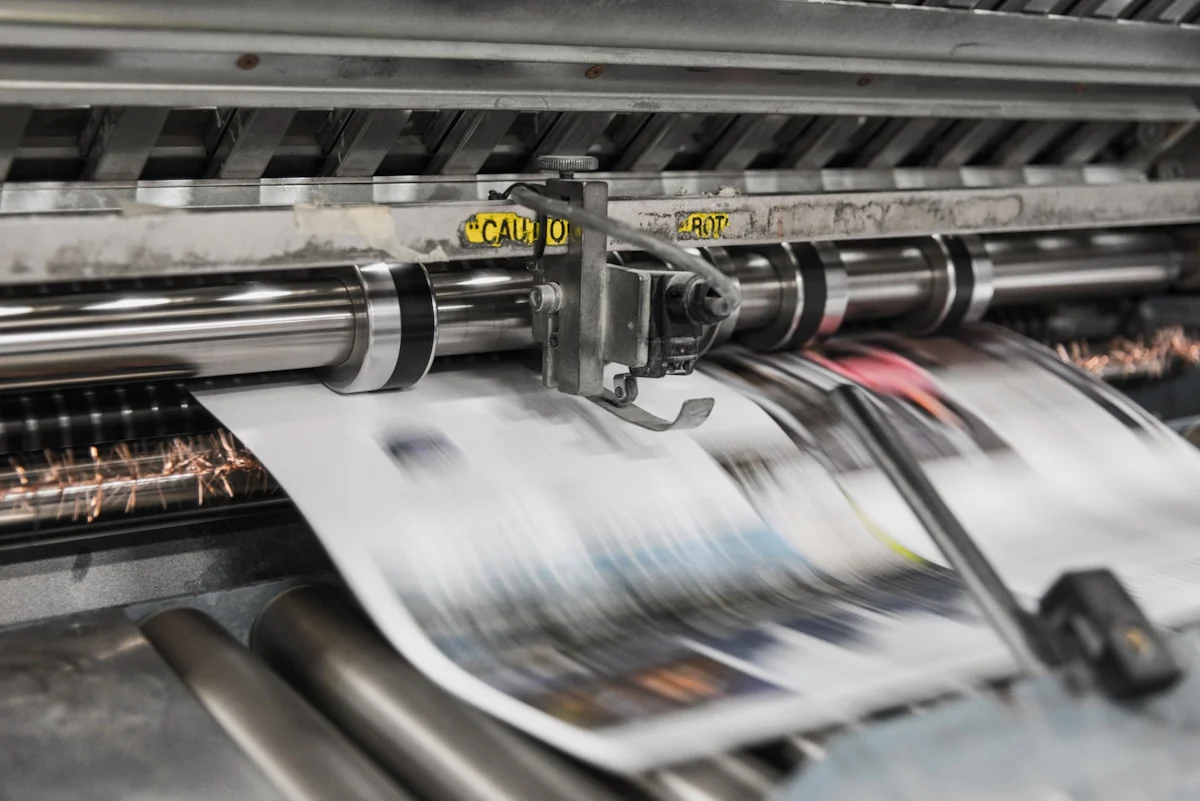
A paper equipment cleaning plan should identify the deposit, the surface, and the inspection that follows. Those three details help turn a broad request to clean a line into a scope that production and maintenance can review.
Start with one area that causes repeated cleaning work. Record its equipment identifier and the reason it needs attention. Then use the same format for the remaining assets. This guide provides a practical outline for a paper manufacturing dry ice cleaning review.
Build the paper equipment cleaning plan around named assets
Use the machine names and station numbers your operators already recognize. For each asset, identify the accessible surfaces and the production condition when cleaning can begin. Avoid descriptions such as the entire line unless a drawing clearly defines that boundary.
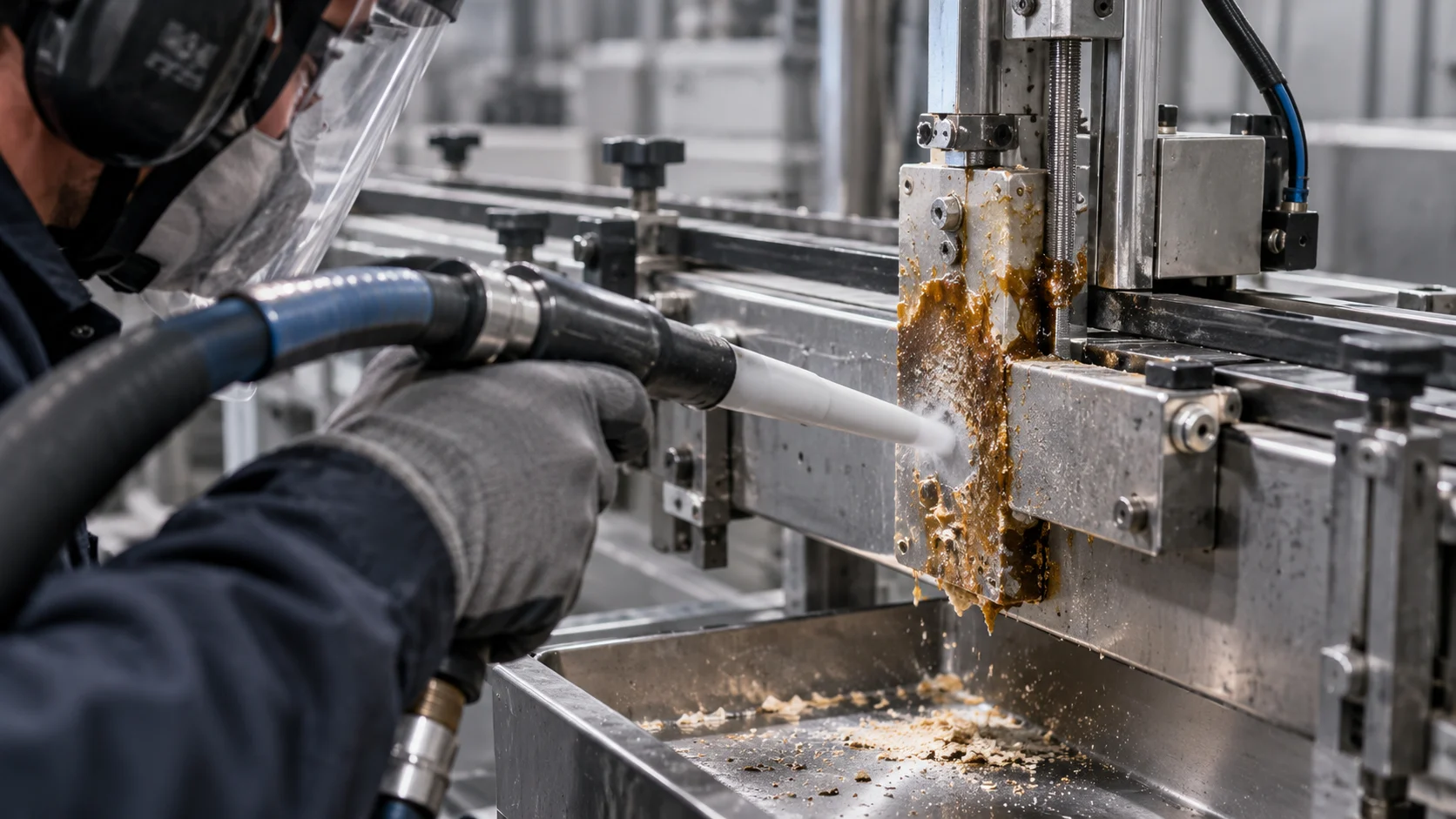
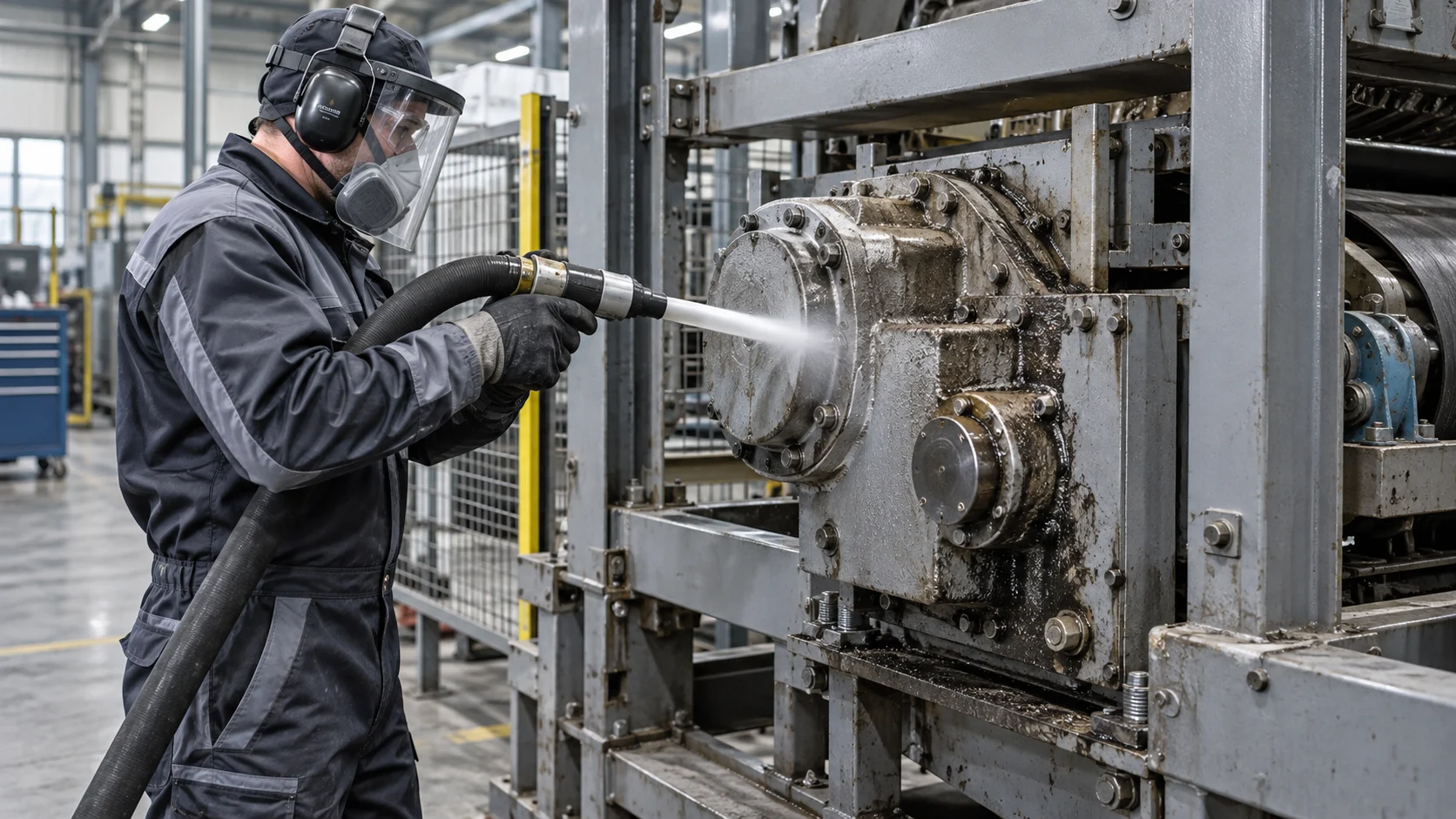
A useful asset entry includes a wide photograph, a close view of the deposit, and a description of the surface beneath it. Identify coatings, roll coverings, fabrics, seals, and other components requiring separate approval. The person approving a machine frame may not be the person responsible for a working roll.
Separate loose dust from attached residue
Record whether the target is loose material, an attached adhesive deposit, or a mixture of production residues. Include the adhesive or coating product name when it is available. Note whether the deposit changes with grade, temperature, or the time since the last cleaning.
This distinction also helps define preparation. Your facility should identify its dust-control requirements and the procedure for preparing the area. The cleaning scope should describe what material is collected before work, what is released during the selected process, and who handles final cleanup.
The dry ice itself does not become spent blasting grit. The material removed from the equipment still needs to go somewhere. Our guide to dirt and debris after dry ice blasting explains why collection remains part of the job.
Choose a trial that answers a real question
A trial should represent the difficult deposit and the surface you need to preserve. Do not approve a whole roll or converting station from a demonstration on an unrelated guard.
Write down the question before the test. For example, can the selected adhesive be removed to the agreed visual standard while retaining the identified finish? Your team should determine what inspection or measurement is needed to answer that question.
Photograph the test boundary before and after cleaning. Record remaining material, any areas excluded, and the inspection decision. This creates a useful reference for the quote without suggesting that every deposit on the line will behave identically.
Put access into the outage schedule
Cleaning time depends on when the equipment becomes accessible. Name the people responsible for shutdown, isolation, guard removal, and reinstatement. Identify any inspection that must happen before another trade can proceed.
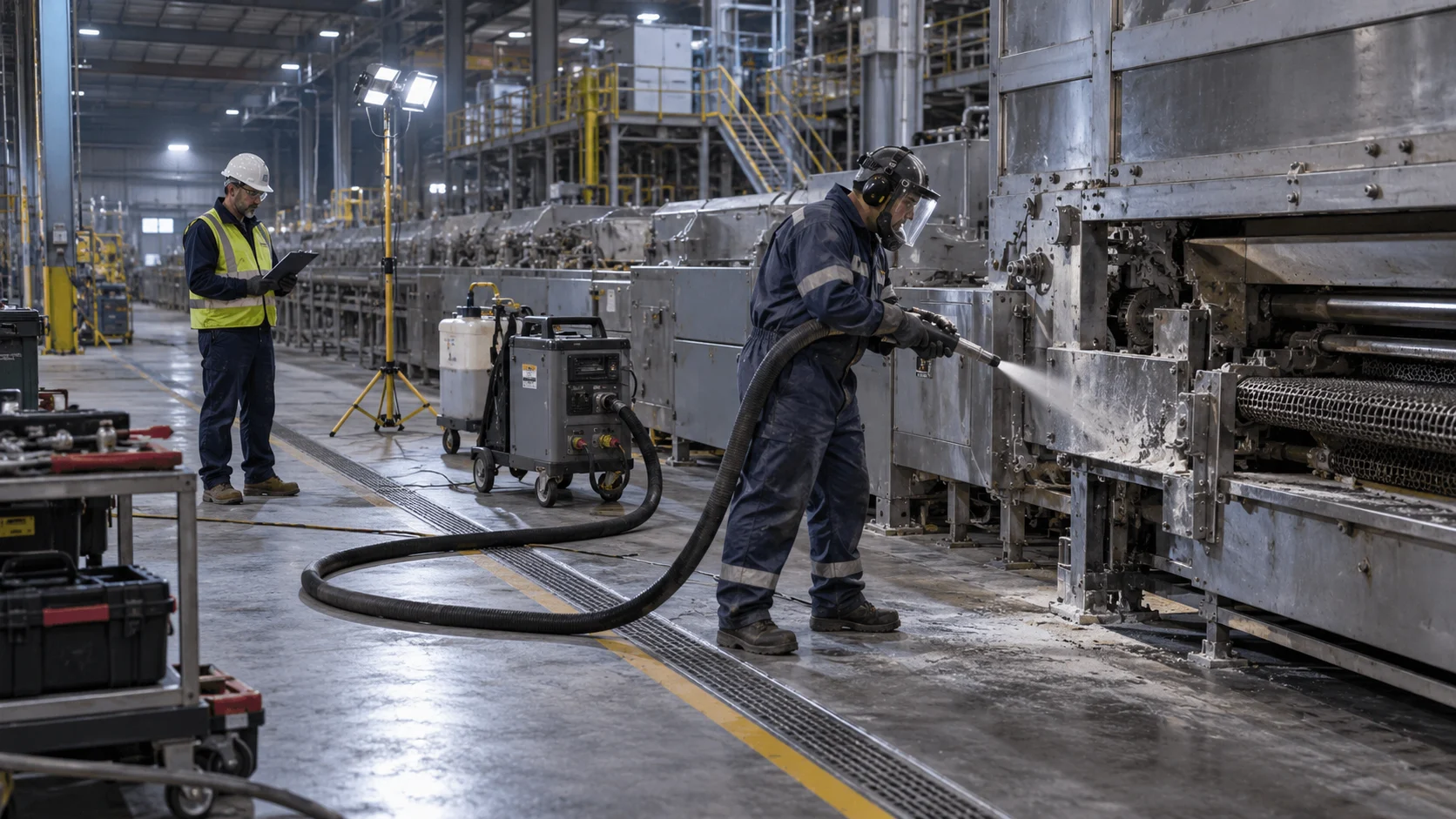
Sequence the assets around those dependencies. A machine that is technically available but blocked by scaffolding or maintenance work may not be ready for cleaning. Allow room for equipment placement and the route between work areas.
For larger projects, add the cleaning tasks to the planned shutdown schedule. Give each task a release point and a handoff point so the cleaning window has a clear beginning and end.
Use the Shutdown Cleaning Window Planner to allocate time for asset release, cleaning, residue collection, and inspection within the outage.
Decide what a completed job looks like
Agree on the surfaces to review and the deposit that may remain outside the scope. A visual inspection of an equipment frame is different from checking the condition of a precision working surface.
Assign any measurements to the appropriate personnel. Cleaning alone should not stand in for evaluating roll condition, alignment, corrosion, or mechanical wear. Record repair findings separately so a cleaning completion decision does not conceal another maintenance requirement.
Keep the accepted photographs with the equipment record. On the next visit, compare the same areas under similar conditions. This gives a recurring maintenance program an observable basis for adjusting the scope or interval.
Information to send with the first inquiry
Send your location, asset list, deposit photographs, and preferred maintenance window. Include the material that must remain, the access arrangements, and the inspection your team needs afterward.
Use the paper equipment cleaning plan to distinguish required work from optional areas. Request a project review when those priorities are clear. Precision can then review the proposed application and the information needed to define a test or quote.